
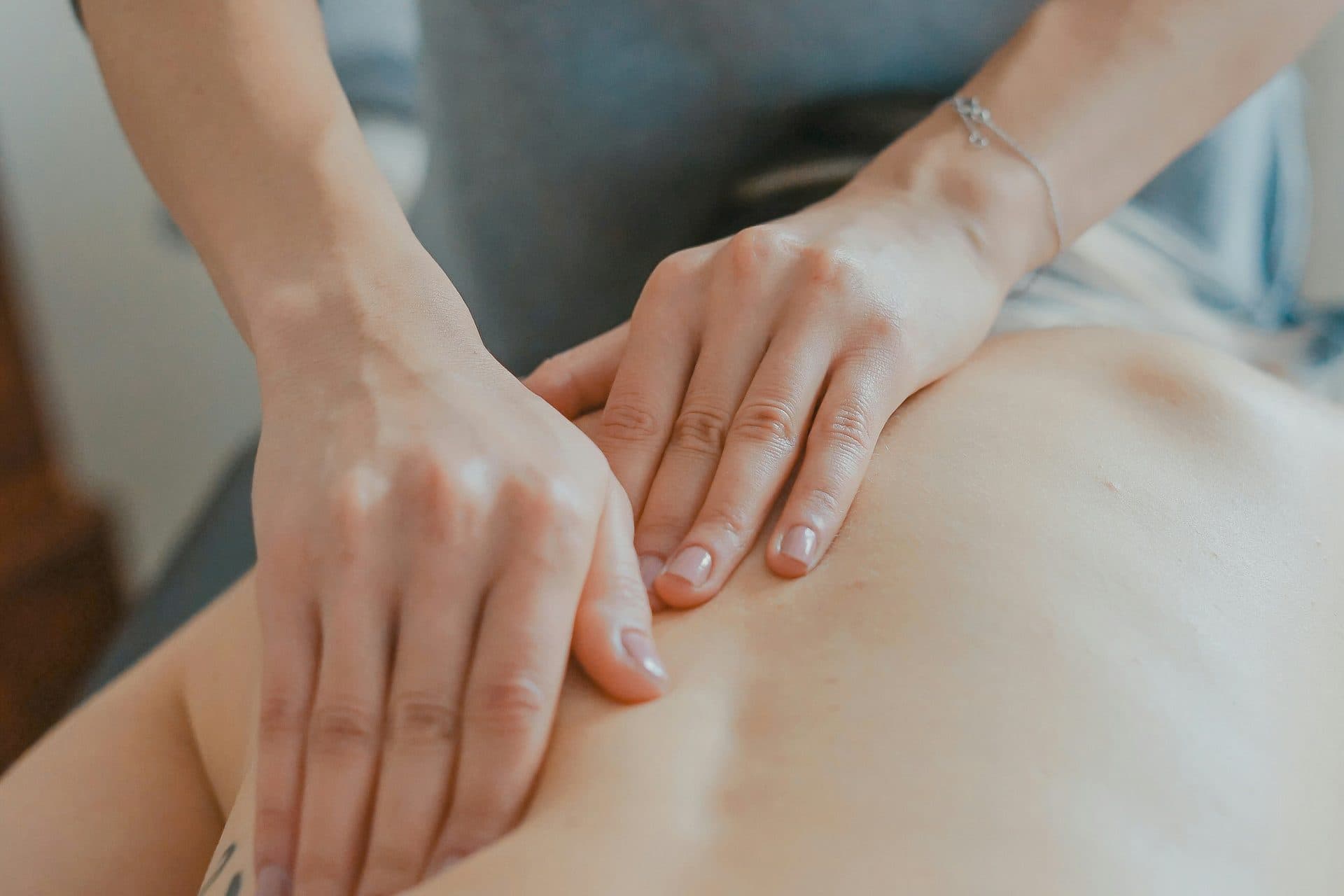
Κλινική προσέγγιση της Brazilian Lymphatic Drainage (μέθοδος Renata França): μηχανισμός δράσης, σύγκριση με την κλασική ευρωπαϊκή τεχνική (Vodder/Leduc), τεκμηριωμένες ενδείξεις, αντενδείξεις και κλινική απόφαση επιλογής τεχνικής σε μετεγχειρητικές και χρόνιες λεμφικές δυσλειτουργίες.
Η Χειρωνακτική Λεμφική Παροχέτευση (Manual Lymphatic Drainage, MLD) αποτελεί αναγνωρισμένη φυσικοθεραπευτική παρέμβαση που στοχεύει στην ενεργοποίηση και επιτάχυνση της λεμφικής ροής μέσω των επιπολής λεμφικών τριχοειδών και των λεμφαγγειακών δικτύων συλλογής. Στη διεθνή κλινική πράξη επικρατούν δύο κύριες σχολές. Η πρώτη είναι η κλασική ευρωπαϊκή σχολή, που αναπτύχθηκε από τον Emil Vodder τη δεκαετία του 1930 και επεκτάθηκε από τον Albert Leduc, χαρακτηριζόμενη από πολύ ελαφριά, αργή, ρυθμική διάταση του δέρματος. Η δεύτερη είναι η βραζιλιάνικη σχολή, που έχει διεθνώς κωδικοποιηθεί μέσω της μεθόδου Renata França και είναι ευρύτερα γνωστή ως Brazilian Lymphatic Drainage· χαρακτηρίζεται από εντονότερη πίεση, ταχύτερες αντλιοειδείς κινήσεις και προηγούμενη ενεργοποίηση των μεγάλων λεμφαδενικών αλυσίδων. Και οι δύο τεχνικές είναι κλινικά έγκυρες· η επιλογή μεταξύ τους εξαρτάται από την υποκείμενη παθολογία, το στάδιο του ιστού και την ύπαρξη αντενδείξεων.
Ανατομία και Φυσιολογία του Λεμφικού Συστήματος
Το λεμφικό σύστημα αποτελεί δίκτυο μονόδρομης παροχέτευσης που πορεύεται παράλληλα με τη φλεβική κυκλοφορία. Τα λεμφικά τριχοειδή — λεπτοτοιχωματικά αγγεία με βαλβίδες, εντοπιζόμενα στο επιπολής χόριο και τον υποδόριο ιστό — συλλέγουν διάμεσο υγρό, πρωτεΐνες πλάσματος, λιπίδια, κυτταρικά κατάλοιπα και ανοσοκύτταρα. Το προ-λεμφικό αυτό φορτίο μεταφέρεται μέσω προσαγωγών αγγείων και αλυσίδων λεμφαδένων και τελικώς επιστρέφει στη φλεβική κυκλοφορία μέσω του θωρακικού πόρου και του δεξιού λεμφικού πόρου, στο ύψος των υποκλείδιων φλεβών. Το λεμφικό σύστημα στερείται κεντρικής αντλίας· η ροή παράγεται από την ενδογενή συσταλτικότητα των λεμφαγγειωνίων (lymphangions), τη μυϊκή αντλία, τη διαφραγματική αναπνευστική κίνηση και τη μεταδιδόμενη αρτηριακή σφύξη.
Όταν αυτός ο προωθητικός μηχανισμός διαταράσσεται — από χειρουργική διακοπή λεμφικών οδών, παρατεταμένη ακινησία, ορμονικές διακυμάνσεις, μεταπτητική φλεβική στάση ή χρόνια χαμηλού βαθμού φλεγμονή — το διάμεσο υγρό συσσωρεύεται, παράγοντας την κλινική εικόνα του οιδήματος, της λεμφοστάσης ή, σε σοβαρές περιπτώσεις, του λεμφοιδήματος. Η Χειρωνακτική Λεμφική Παροχέτευση, ανεξαρτήτως τεχνικής, στοχεύει στην αποκατάσταση της προώθησης μέσα από αυτό το δίκτυο.
Η Κλασική Ευρωπαϊκή Μέθοδος (Vodder & Leduc)
Η κλασική τεχνική εφαρμόζει πολύ ελαφριά πίεση (περίπου 30–40 mmHg), που στοχεύει αποκλειστικά στη διάταση της δερματικής επιφάνειας χωρίς συμπίεση των υποκείμενων μυών. Οι κινήσεις είναι αργές, κυκλικές και ρυθμικές, ρυθμισμένες στη φυσιολογική συχνότητα συστολής των λεμφαγγειωνίων (περίπου 6–10 συστολές/λεπτό). Η αλληλουχία θεραπείας ξεκινά κεντρικά και προχωρά περιφερικά: η παροχέτευση αρχίζει από τους τραχηλικούς λεμφαδένες (τερματική περιοχή), προχωρά στις περιφερειακές αλυσίδες λεμφαδένων και ολοκληρώνεται στο προσβληθέν μέλος.
Η φυσιολογική λογική είναι ακριβής. Τα αρχικά λεμφικά τριχοειδή είναι λεπτότοιχες δομές με ινίδια αγκύρωσης που ανταποκρίνονται στην ήπια διάταση του δέρματος ανοίγοντας. Η υπερβολική πίεση τα συμπιέζει, ωθεί το υγρό σε βαθύτερα διαμερίσματα όπου η παροχέτευση είναι λιγότερο αποτελεσματική και ενδέχεται να προκαλέσει αγγειοκινητικές αντανακλαστικές αντιδράσεις. Η κλασική μέθοδος αποτελεί συνεπώς την τεχνική επιλογής στο πρωτοπαθές και δευτεροπαθές λεμφοίδημα, στο μεταμαστεκτομικό λεμφοίδημα και σε κάθε κλινική κατάσταση που αφορά εύθραυστους, φλεγμαίνοντες ή πρόσφατα χειρουργημένους ιστούς.
Η Βραζιλιάνικη Μέθοδος (Brazilian Lymphatic Drainage — Στιλ Renata França)
Η βραζιλιάνικη σχολή αναπτύχθηκε σε κλινικό περιβάλλον με έντονο προσανατολισμό στη μετα-πλαστική και αισθητική αποκατάσταση. Οι θεραπευτές που εργάζονταν σε αυτό το πλαίσιο διαμόρφωσαν μια τεχνικά διακριτή προσέγγιση: βαθύτερη και ψηλαφητή πίεση, ταχύτερες αντλιοειδείς κινήσεις και αρχική περκαστική (πλήκτρωση) ενεργοποίηση των μεγάλων αλυσίδων λεμφαδένων (τραχηλικών, μασχαλιαίων, κοιλιακών, βουβωνικών) πριν την περιφερική παροχέτευση. Η μέθοδος Renata França, ονομασμένη από τη Βραζιλιάνα θεραπεύτρια που τη συστηματοποίησε και τη διέδωσε διεθνώς, αποτελεί την πιο αναγνωρισμένη μορφή της Brazilian Lymphatic Drainage.
Η μεγαλύτερη πίεση επιστρατεύει όχι μόνο τα επιπολής λεμφικά τριχοειδή αλλά και τα βαθύτερα συλλέγοντα αγγεία και τα γειτονικά περιτονιακά επίπεδα. Η περκαστική ενεργοποίηση των αλυσίδων λεμφαδένων αυξάνει την περιοχική λεμφική ροή πριν από την περιφερική κινητοποίηση, μειώνοντας θεωρητικά την οπίσθια πίεση στις εξόδους παροχέτευσης. Κλινικά, οι ασθενείς αναφέρουν συχνά μετρήσιμη μείωση της κοιλιακής περιφέρειας, μειωμένη βαρύτητα στα κάτω άκρα και αντιληπτή βελτίωση του δερματικού τόνου εντός μίας συνεδρίας — ευρήματα συμβατά με την ανακατανομή του διάμεσου υγρού από στάσιμα ιστικά διαμερίσματα.
Συγκριτική Ανάλυση
| Παράμετρος | Κλασική Ευρωπαϊκή (Vodder/Leduc) | Brazilian Lymphatic Drainage (Renata França) |
|---|---|---|
| Εφαρμοζόμενη πίεση | Πολύ ελαφριά (~30–40 mmHg)· μόνο διάταση δέρματος | Έντονη· ψηλαφητή στον υποδόριο ιστό και στην επιπολής περιτονία |
| Ρυθμός κίνησης | Αργός, επαναλαμβανόμενος, εναρμονισμένος με τη συχνότητα συστολής λεμφαγγειωνίων | Γρήγορος, αντλιοειδής, σταθερή ρυθμική συμπίεση |
| Αλληλουχία θεραπείας | Πρώτα κεντρικά (τραχηλικός τερματικός σχηματισμός), μετά εγγύς προς περιφερικά | Αρχική περκαστική ενεργοποίηση μεγάλων αλυσίδων λεμφαδένων, μετά παροχέτευση όλου του σώματος |
| Κύρια κλινική ένδειξη | Πρωτοπαθές και δευτεροπαθές λεμφοίδημα, μεταμαστεκτομικό οίδημα, ευαίσθητοι ή φλεγμαίνοντες ιστοί | Μη οξύ μετεγχειρητικό οίδημα, ιδιοπαθής κατακράτηση διάμεσου υγρού, σύσφιξη σώματος μετά από σταθεροποιημένη ανάρρωση |
| Άμεσο κλινικό αποτέλεσμα | Διακριτικό· σωρευτικό σε διαδοχικές συνεδρίες | Μετρήσιμη αυθημερόν μείωση περιφέρειας και ιστικής τάσης |
| Τυπική διάρκεια συνεδρίας | 60–90 λεπτά | 60–75 λεπτά· υψηλότερη φυσιολογική ένταση |
Καμία μέθοδος δεν είναι εγγενώς ανώτερη· καθεμία αποτελεί την τεχνική επιλογής για διαφορετική κλινική εικόνα.
Κλινικές Ενδείξεις της Brazilian Lymphatic Drainage
Στην κλινική μας πράξη η βραζιλιάνικη μέθοδος επιλέγεται στα ακόλουθα πλαίσια:
Υπο-οξύ και χρόνιο μετεγχειρητικό οίδημα. Σε ασθενείς που αναρρώνουν από επεμβάσεις όπως λιποαναρρόφηση, κοιλιοπλαστική ή ορθοπαιδικά χειρουργεία άκρων, αφού υποχωρήσει η οξεία φλεγμονώδης φάση (γενικά πέραν των δύο έως τριών εβδομάδων μετεγχειρητικά, ανάλογα με τον τύπο ιστού και το πρωτόκολλο του χειρουργού), η εντονότερη βραζιλιάνικη τεχνική επιταχύνει την υποχώρηση του υπολειπόμενου διάμεσου υγρού, ιδίως στην κοιλιά, τους γοφούς και τους μηρούς.
Ιδιοπαθής κατακράτηση διάμεσου υγρού με ανέπαφη λεμφική ανατομία. Περιλαμβάνει το ορθοστατικό οίδημα δευτεροπαθώς σε παρατεταμένη καθιστή ή όρθια θέση, την κοιλιακή διάταση μη γαστρεντερικής αιτιολογίας, την προεμμηνορρυσιακή κατακράτηση υγρών, το μεταπτητικό περιφερικό οίδημα και τη γενικευμένη μαλακή ιστική κατακράτηση που παρατηρείται σε περιόδους μειωμένης φυσικής δραστηριότητας. Η βαθύτερη αντλιοειδής δράση επιστρατεύει ιστικά διαμερίσματα στα οποία οι πολύ ελαφριές κινήσεις δεν φτάνουν επαρκώς.
Συμπληρωματική αποκατάσταση σε αθλητικούς πληθυσμούς. Σε ενεργούς ενήλικες, ο πιο δυναμικός ρυθμός λειτουργεί ως κυκλοφοριακό ερέθισμα, μειώνει την υποκειμενική βαρύτητα μετά από έντονες προπονητικές περιόδους και συμπληρώνει τα τυπικά πρωτόκολλα μυϊκής αποκατάστασης.
Αντενδείξεις της Brazilian Lymphatic Drainage
Η επιλογή τεχνικής δεν είναι εναλλάξιμη. Οι ακόλουθες κλινικές καταστάσεις αποτελούν είτε απόλυτες αντενδείξεις είτε απαιτούν μετάβαση στην κλασική τεχνική ελαφράς πίεσης:
• Οξεία μετεγχειρητική φάση (συνήθως οι πρώτες μία έως δύο εβδομάδες μετά από λιποαναρρόφηση, κοιλιοπλαστική ή μεγάλη επέμβαση μαλακών μορίων). Ο ιστός είναι εύθραυστος, φλεγμαίνων και αντιδραστικός· η έντονη πίεση αντενδείκνυται. Η κλασική τεχνική ελαφριάς πίεσης αποτελεί την κατάλληλη επιλογή σε αυτό το χρονικό παράθυρο.
• Λεμφοίδημα δευτεροπαθώς σε λεμφαδενικό καθαρισμό (π.χ. μετά από μαστεκτομή με μασχαλιαίο λεμφαδενικό καθαρισμό). Η αντιμετώπιση είναι ιατρική και πρωτοκολλημένη· η έντονη πίεση δεν είναι κατάλληλη και μπορεί να επιδεινώσει την κατάσταση.
• Ενεργή λοίμωξη ή φλεγμονή στην περιοχή θεραπείας — βακτηριακή κυτταρίτιδα, πρόσφατη δερματική λοίμωξη, μη επουλωμένο χειρουργικό τραύμα ή ενεργή δερματίτιδα.
• Πρόσφατη ή μη αντιμετωπιζόμενη εν τω βάθει φλεβική θρόμβωση (DVT). Η Χειρωνακτική Λεμφική Παροχέτευση οποιουδήποτε τύπου αντενδείκνυται έως ότου ο αγγειολογικός έλεγχος αποκλείσει τον κίνδυνο κινητοποίησης του θρόμβου.
• Μη αντιρροπούμενη καρδιακή ή νεφρική ανεπάρκεια. Η μετατόπιση μεγάλων ποσοτήτων διάμεσου υγρού στην κεντρική κυκλοφορία επιβάλλει επιπρόσθετο προφορτίο σε ήδη επιβαρυμένο καρδιαγγειακό ή νεφρικό σύστημα.
• Εγκυμοσύνη — γενικά αντιμετωπίζεται με τροποποιημένο, ηπιότερο πρωτόκολλο· η έντονη βραζιλιάνικη τεχνική στην κοιλιακή χώρα αποφεύγεται προληπτικά.
• Μη ρυθμισμένος υπερθυρεοειδισμός ή σημαντική ενδοκρινική αστάθεια.
• Ενεργή κακοήθεια χωρίς προηγούμενη ογκολογική έγκριση.
Η δομημένη λήψη ιατρικού ιστορικού στην αρχική επίσκεψη δεν είναι λοιπόν προαιρετική· αποτελεί τη διαδικασία ανίχνευσης που καθορίζει ποιο πρωτόκολλο μπορεί να εφαρμοστεί με ασφάλεια σε κάθε συνεδρία.
Δομή Συνεδρίας Brazilian Lymphatic Drainage
Μια τυπική συνεδρία στην κλινική μας ξεκινά με σύντομη κλινική αξιολόγηση: κατανομή του οιδήματος, ποιότητα του ιστού, χειρουργικό ιστορικό και αποκλεισμός αντενδείξεων. Η θεραπεία προχωρά σε καθορισμένα στάδια — διαδοχική ενεργοποίηση των τραχηλικών, μασχαλιαίων, κοιλιακών και βουβωνικών αλυσίδων λεμφαδένων, ακολουθούμενη από παροχέτευση των άκρων και του κορμού με τη χαρακτηριστική βαθύτερη, ρυθμική αντλιοειδή τεχνική. Οι περισσότεροι ασθενείς εμφανίζουν μετρήσιμη αυθημερόν μείωση της κοιλιακής περιφέρειας, ελάττωση της βαρύτητας στα κάτω άκρα και αντιληπτή βελτίωση του δερματικού τόνου. Διατηρήσιμα αποτελέσματα — όπως η υποχώρηση χρόνιας κατακράτησης διάμεσου υγρού ή η βελτιστοποίηση της μετεγχειρητικής αποκατάστασης — απαιτούν συνήθως προγραμματισμένη σειρά συνεδριών, με μεσοδιαστήματα προσαρμοσμένα στην ατομική φυσιολογική απόκριση.
Συνδυασμένα Πρωτόκολλα
Στην πράξη, τα βέλτιστα κλινικά αποτελέσματα σπανίως επιτυγχάνονται με αποκλειστική χρήση μίας τεχνικής. Ένας ασθενής που αναρρώνει από κοιλιοπλαστική μπορεί να λάβει κλασική παροχέτευση ελαφριάς πίεσης τις πρώτες δύο μετεγχειρητικές εβδομάδες, να μεταβεί σε υβριδικό πρωτόκολλο τον επόμενο μήνα και να ολοκληρώσει με Brazilian Lymphatic Drainage για την αντιμετώπιση του υπολειπόμενου περιγράμματος καθώς η ανοχή του ιστού το επιτρέπει. Ασθενής με χρόνια φλεβο-λεμφική ανεπάρκεια κάτω άκρων μπορεί να λάβει κυρίως βραζιλιάνικη παροχέτευση με κλασική τεχνική στους αντιδραστικούς βουβωνικούς λεμφαδένες. Η αντιστοίχιση τεχνικής με το τρέχον στάδιο του ιστού — και όχι με την ονομασία της μεθόδου — καθορίζει την κλινικά τεκμηριωμένη λεμφική φροντίδα.
Συστάσεις Μετά τη Θεραπεία
Η επαρκής ενυδάτωση είναι απαραίτητη, καθώς το κινητοποιημένο διάμεσο υγρό αποβάλλεται κυρίως μέσω της νεφρικής οδού· η αφυδάτωση μειώνει το θεραπευτικό αποτέλεσμα. Συνιστώνται ήπια βάδιση, διαφραγματική αναπνοή και αποφυγή ογκωδών γευμάτων αμέσως μετά τη συνεδρία. Ήπια κούραση ή αίσθηση συγκρίσιμη με σωματική προσπάθεια είναι φυσιολογικά αναμενόμενη και υποχωρεί συνήθως εντός 12–24 ωρών. Η εμφάνιση εκχυμώσεων δεν αναμένεται με ορθώς εφαρμοσμένη τεχνική· η παρουσία τους υποδηλώνει πίεση που υπερβαίνει το όριο ανοχής του ιστού και απαιτεί τεχνική προσαρμογή.
Ενδείξεις Κλινικής Αξιολόγησης
Η εμμένουσα περιφερική κατακράτηση υγρών, το ασύμμετρο οίδημα μέλους, η υποτροπιάζουσα κοιλιακή διάταση μη γαστρεντερικής αιτιολογίας ή η ανάρρωση από πρόσφατη πλαστική ή γενική χειρουργική επέμβαση συνιστούν ενδείξεις για δια ζώσης κλινική αξιολόγηση. Ο κλινικός επιλέγει την κατάλληλη τεχνική — κλασική, Brazilian Lymphatic Drainage ή σε διαδοχικό συνδυασμό — με βάση το στάδιο του ιστού και τον αποκλεισμό αντενδείξεων.
Κλείστε Ραντεβού Κλινικής Αξιολόγησης
Στο PhysioDanali παρέχουμε τόσο την κλασική ευρωπαϊκή όσο και τη Brazilian Lymphatic Drainage (εμπνευσμένη από τη μέθοδο Renata França) Χειρωνακτική Λεμφική Παροχέτευση, σε επιλογή και συνδυασμό σύμφωνα με την κλινική εικόνα. Αντιμετωπίζουμε ασθενείς στη Βούλα, Γλυφάδα και Βουλιαγμένη, στην κλινική και κατ' οίκον. Για επιπλέον πληροφόρηση επί των λεμφικών μας υπηρεσιών, δείτε τη σελίδα μας για την εντατική λεμφική παροχέτευση.
Εάν αναρρώνετε από πρόσφατη χειρουργική επέμβαση, εμφανίζετε επίμονο περιφερικό οίδημα ή αναζητάτε κλινική καθοδήγηση για την κατάλληλη τεχνική στην περίπτωσή σας, μια αρχική συνεδρία αξιολόγησης είναι το ορθό σημείο εκκίνησης.
Καλέστε στο PhysioDanali σήμερα για να κλείσετε αξιολόγηση Brazilian Lymphatic Drainage.
Το παρόν άρθρο είναι ενημερωτικό και δεν υποκαθιστά την ιατρική αξιολόγηση. Η Χειρωνακτική Λεμφική Παροχέτευση έχει συγκεκριμένες αντενδείξεις — όπως εν τω βάθει φλεβική θρόμβωση, ενεργή λοίμωξη και ορισμένες καρδιακές, νεφρικές και ογκολογικές παθήσεις — που απαιτούν δια ζώσης κλινική αξιολόγηση πριν τη θεραπεία. Όπου ενδείκνυται, η αντιμετώπιση γίνεται σε συντονισμό με τον θεράποντα ιατρό του ασθενούς.