
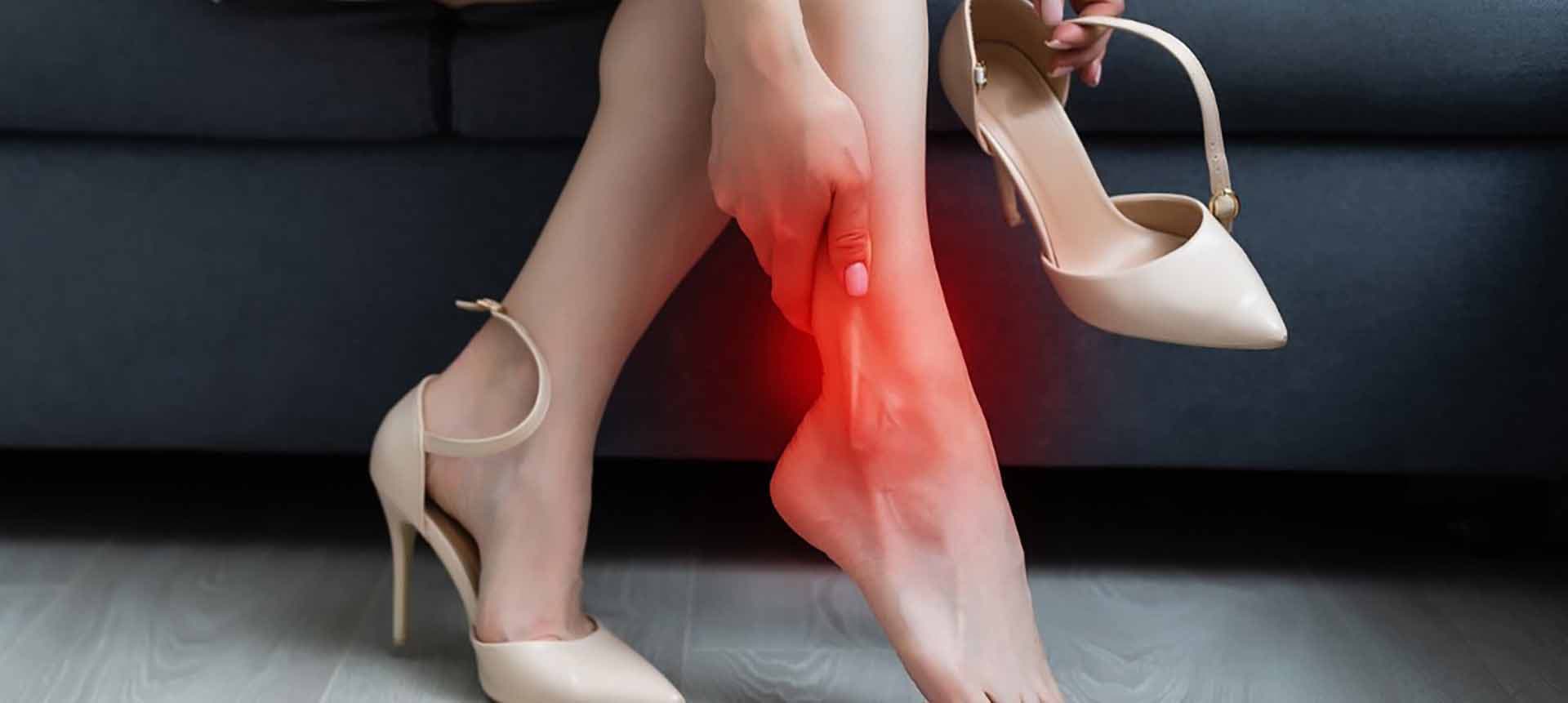
Σχετικά με τον Πόνο στο Πόδι
Ο πόνος στο Πόδι δεν είναι πάντα μια απλή υπόθεση. Ενδέχεται να προέρχεται από κάποια από τις πολλές δομές που αποτελούν το Πόδι, οι οποίες είναι:
• Αρθρώσεις και αρθρικός χόνδρος
• Μύς
• Τέντοντες
• Σύνδεσμοι
• Ορογόνοι θύλακες
• Αρθρικοί θύλακες
• Οστά
Ο επίμονος και έντονος πόνος συχνά προέρχεται από δύο ή περισσότερες από τις παραπάνω δομές ή από τραυματισμό.
Χαρακτηριστικά του Πόνου στο Πόδι
Ο Πόνος στο Πόδι μπορεί να είναι μικρής έντασης σε συγκεκριμένες κινήσεις, ή αφόρητος ακόμη και σε ακινησία. Είναι σημαντικό για την αξιολόγηση, να προσδιοριστεί εάν ο πόνος προκαλείται κατά την κίνηση, με ποιές συγκεκριμένα κινήσεις, πόσο χρόνο χρειάζεται να υποχωρήσει, ή εάν επιμένει και για πόσο κατά την ηρεμία. Είναι σημαντικό, επίσης, να προσδιοριστεί εάν υπάρχει νυκτερινός πόνος και τι διάρκεια έχει. Ο πόνος στο Πόδι μπορεί να έχει τα εξής χαρακτηριστικά:
• Οξύς
• Σαν μαχαίρι
• Σαν χτύπημα
• Να καίει
• Να περνάει ρεύμα
• Επιφανειακός
• Εν τω βάθει
• Ήπιος
• Βουβός
• Συνεχόμενος
• Διακοπτόμενος
Πώς ανακουφίζεται ο πόνος στο Πόδι?
Όταν εμφανιστεί πόνος στο Πόδι οι άμεσες ενέργειες που κάνουμε είναι:
• Ξεκούραση του ποδιού και αποχή από την δραστηριότητα που προκαλεί τον πόνο
• Βάζουμε πάγο στο Πόδι, στην περιοχή του πόνου για 15-20 λεπτά, 2-3 φορές την ημέρα (ο πάγος να είναι τυλιγμένος σε πετσέτα)
• Ανάπαυση με το πόδι ψηλά, σε καρέκλα ή μαξιλάρι
• Ήπιες διατάσεις ισχίου, γόνατος, πέλματος, διατηρούν την ευλυγισία του ποδιού
Διαφορική Αξιολόγηση για Πόνο στο Πόδι
Η αξιολόγηση από τον Φυσικοθεραπευτή είναι απαραίτητη για να εντοπιστούν οι δομές που πάσχουν και να αποκλειστεί, ή όχι, η συνύπαρξη άλλων παθολογικών καταστάσεων, που έχουν παρόμοια συμπτώματα, όπως :
• Άκανθα, Πελματιαία Απονευρωσίτιδα
• Τενοντοπάθεια Αχιλλείου
• Κατάγματα Άκρου Ποδός
• Διάστρεμμα Ποδοκνημικής
• Τενοντοπάθειες Άκρου Ποδός
Η αξιολόγηση από τον Ορθοπεδικό Χειροπρακτικό Φυσικοθεραπευτή κ. Κωνσταντίνο Δανάλη γίνεται με την αναλυτική λήψη ιστορικού, τη διενέργεια κλινικών δοκιμασιών και την δοκιμαστική θεραπεία που θα ακολουθήσει.
Πώς βοηθάει η Φυσικοθεραπεία στoν Πόνο του Ποδιού?
Προτεραιότητα έχει η μείωση του πόνου, που σε ορισμένους ασθενείς μπορεί να είναι εξαιρετικά οξύς. Αυτό επιτυγχάνεται με συνδυασμό θεραπευτικών επιλογών, όπως εξειδικευμένη μάλαξη και εφαρμογή ηλεκτροθεραπείας, που θα μειώσει τον πόνο σε κάθε περίπτωση. Στη συνέχεια γίνεται κινητοποίηση του ποδιού με εξειδικευμένες ασκήσεις. Σταδιακά με την αύξηση της κίνησης εισάγονται ασκήσεις ενδυνάμωσης, ισορροπίας και ιδιοδεκτικότητας. Οι παρεμβάσεις που εφαρμόζονται είναι:
• Διατάσεις και διατατικές ασκήσεις για αύξηση της ελαστικότητας
• Δυναμική σταθερότητα και ενδυνάμωση
• Ορθοπεδική Χειροπρακτική Φυσικοθεραπεία για μείωση πόνου και αύξηση ευλυγισίας
• Ηλεκτροφυσικά Μέσα όπως διαθερμία, κρυοθεραπεία, ηλεκτροθεραπεία, για μείωση του πόνου και της φλεγμονής
• TECAR για εν τω βάθει θέρμανση των ιστών και επίσπευση της αποκατάστασης
Schedule Your Appointment
Αθανασία Α.
Ο κύριος Δανάλης είναι πολύ σωστός επαγγελματίας δίνει την απαραίτητη προσοχή στον ασθενή και στο πρόβλημα που έχει.Το πιο σημαντικό όμως είναι η ποιότητα και αποτελεσματικότητα της θεραπείας, με τρόπο δημιουργικό και κυρίως αποδοτικό. Τον προτείνω ανεπιφύλακτα.
Εριφύλη Σ.
Ο κος Δανάλης γνωρίζει πολύ καλά το αντικείμενό του και ασχολείται προσωπικά και πολύ με τον ασθενή του! Έχει θετική διάθεση και με έχει βοηθήσει πολύ!! Του έχω πολύ εμπιστοσύνη και τον συστήνω ανεπιφύλακτα.
Γιώτα Σ.
Γνωρίζει πολύ καλά το αντικείμενό του, και ασχολήθηκε πολύ ώρα με το πρόβλημα μου και πραγματικά κέρδισε την εμπιστοσύνη μου! Θα τον συστήσω σίγουρα!
Πως μπορώ να αποτρέψω τον Πόνο στο Πόδι?
Για την πρόληψη του πόνου στο πόδι, σε χρόνιες καταστάσεις, απαιτείται ένα μηνιαίο πρόγραμμα που περιλαμβάνει :
• Oρθοπεδική χεροπρακτική μάλαξη
• Πρόγραμμα δομημένης άσκησης
Περισσότερες συμβουλές για πρόληψη και αντιμετώπιση από τον ίδιο τον ασθενή μπορείτε να βρείτε στους παρακάτω συνδέσμους:
• Recomendations for Patients by American Physical Therapy Association
• Recomendations for Patients by American Physical Therapy Association
• Recomendations for Patients by American Physical Therapy Association
Ποιό είναι το κόστος της θεραπείας
Τό κόστος της θεραπείας δεν είναι μεγάλο. Απαιτούνται συνήθως 6 συνεδρίες, στις οποίες το πρόγραμμα θεραπείας προσαρμόζεται κάθε φορά στην τρέχουσα κατάσταση του ασθενή. Μετά την υποχώρηση των συμπτωμάτων εισάγεται πρόγραμμα δομημένης άσκησης που αποτρέπει τυχόν υποτροπές. Το πρόγραμμα δίνεται ηλεκτρονικά στον ασθενή ώστε να μπορεί να το ακολουθεί μόνος του, αλλά υπάρχει και η δυνατότητα online επίβλεψης με χαμηλό κόστος. Ο ασθενής έχει τη συνεχή στήριξη και επικοινωνία που χρειάζεται με το Φυσικοθεραπευτή ώστε να αντιμετωπίσει τυχόν δυσκολίες.
Αν έχετε Πόνο στο Πόδι Καλέστε στο PhysioDanali σήμερα για μια εξειδικευμένη συμβουλή από τον Φυσικοθεραπευτή!
•
Woodley BL, Newsham-West RJ, Baxter GD. Chronic tendinopathy: effectiveness of eccentric exercise. Br J Sports Med. 2007 Apr;41(4):188-98; discussion 199. doi: 10.1136/bjsm.2006.029769. Epub 2006 Oct 24. PMID: 17062655; PMCID: PMC2658941.
•
Cook JL, Purdam CR. Is tendon pathology a continuum? A pathology model to explain the clinical presentation of load-induced tendinopathy. Br J Sports Med. 2009 Jun;43(6):409-16. doi: 10.1136/bjsm.2008.051193. Epub 2008 Sep 23. PMID: 18812414.
•
Khan KM, Cook JL, Maffulli N, Kannus P. Where is the pain coming from in tendinopathy? It may be biochemical, not only structural, in origin. Br J Sports Med. 2000 Apr;34(2):81-3. doi: 10.1136/bjsm.34.2.81. Erratum in: Br J Sports Med 2000 Aug;34(4):318. PMID: 10786860; PMCID: PMC1724184.
• www.physio-pedia.com
• Mayo Clinic. (2021). Plantar fasciitis. Mayo Clinic.
• American Physical Therapy Association. (2021). Plantar fasciitis.
• ChoosePT.com.
• Martin RL, Davenport TE, Reischl SF, McPoil TG, Matheson JW, Wukich DK, McDonough CM; American Physical Therapy Association. Heel pain-plantar fasciitis: revision 2014. J Orthop Sports Phys Ther. 2014 Nov;44(11):A1-33. doi: 10.2519/jospt.2014.0303. PMID: 25361863.