Cerebral palsy does not end at childhood. Adults with cerebral palsy face a changing body, new sources of fatigue and stiffness, and a real risk of losing hard-won mobility — yet consistent physiotherapy can keep them moving, independent, and active for decades. Here is how, from a physiotherapist who treats adults with neurological conditions in clinic and at home in Voula, Glyfada, and Vari.
Cerebral palsy is usually described as a childhood condition, and most of the attention — and most of the therapy — happens in the early years. But cerebral palsy is lifelong. The children who received intensive treatment grow into adults who still have the condition, and who are now navigating work, family, and ageing with a body that moves differently. For many adults with cerebral palsy, the frustrating truth is that the mobility they worked so hard to build as children can quietly slip away in adulthood, often because the regular therapy simply stopped. This article is about changing that — about why movement needs ongoing attention through adult life, and how physiotherapy keeps an adult with cerebral palsy mobile, comfortable, and independent.
What Cerebral Palsy Looks Like in Adulthood
Cerebral palsy results from an early, non-progressive difference in the developing brain that affects movement, posture, and muscle control. The brain difference itself does not get worse over time — but the body living with it does change. Years of altered movement patterns, increased muscle tone, and uneven loading place extra demands on joints, muscles, and energy systems. The result is that many adults with cerebral palsy notice their function shifting in their twenties, thirties, and forties: walking that was once steady becomes more effortful, stiffness builds, and tasks that used to be automatic start to require planning. None of this means the condition is deteriorating in the brain. It reflects the wear and adaptation of a body that has been working harder than average for a long time — and that is exactly the kind of problem physiotherapy is built to address.
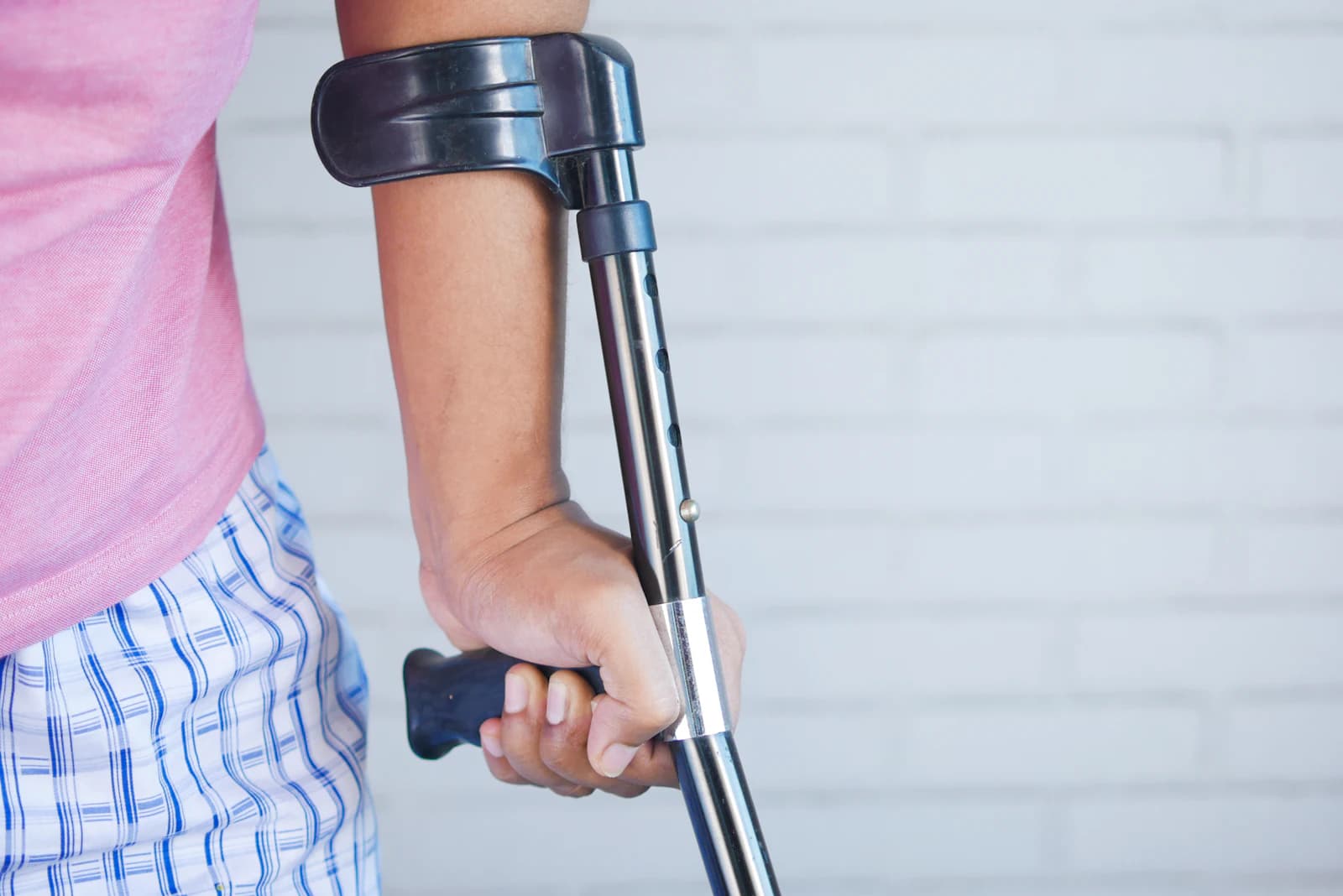
The everyday experience varies enormously, because cerebral palsy is not one condition but a spectrum. Some adults walk independently and want to stay that way; others use walking aids or a wheelchair and want to preserve the transfers, balance, and upper-body strength that keep them independent. The common thread is that maintaining mobility is not automatic — it has to be actively defended.
Why Mobility Is at Risk in Adult Cerebral Palsy
Several forces, usually overlapping, push adults with cerebral palsy toward reduced movement over time:
- Increased muscle tone and tightness: spasticity and stiffness, if left unaddressed, gradually shorten muscles and reduce the range available at the hips, knees, ankles, and shoulders — making every movement smaller and harder.
- Early muscle fatigue: moving with altered patterns is metabolically expensive. Many adults with cerebral palsy use far more energy to walk a given distance than others do, so fatigue arrives sooner and limits activity.
- Joint and soft-tissue strain: uneven loading over decades can lead to pain in the back, hips, knees, and neck, which then discourages movement and accelerates decline.
- Loss of strength through inactivity: when pain or tiredness leads to doing less, the muscles that support walking and transfers weaken, which makes activity harder still — a downward spiral that is common but not inevitable.
- Balance and confidence: reduced strength and stiffness affect balance, and a fall or a near-fall can knock confidence enough to shrink someone's world to a few familiar rooms.
Why Physiotherapy Helps Through Adult Life
Physiotherapy for adults with cerebral palsy is not about a cure or about returning to a childhood baseline. It is about capacity — building and defending the strength, flexibility, and movement control that keep a person doing what matters to them. The brain difference is fixed, but strength, range of motion, endurance, and balance are all trainable at any age, and they are precisely the things that determine whether an adult stays mobile. A well-judged programme works on several fronts at once, and crucially it is sustainable, because it has to fit around a working, busy adult life rather than a clinic schedule.
The Core Components
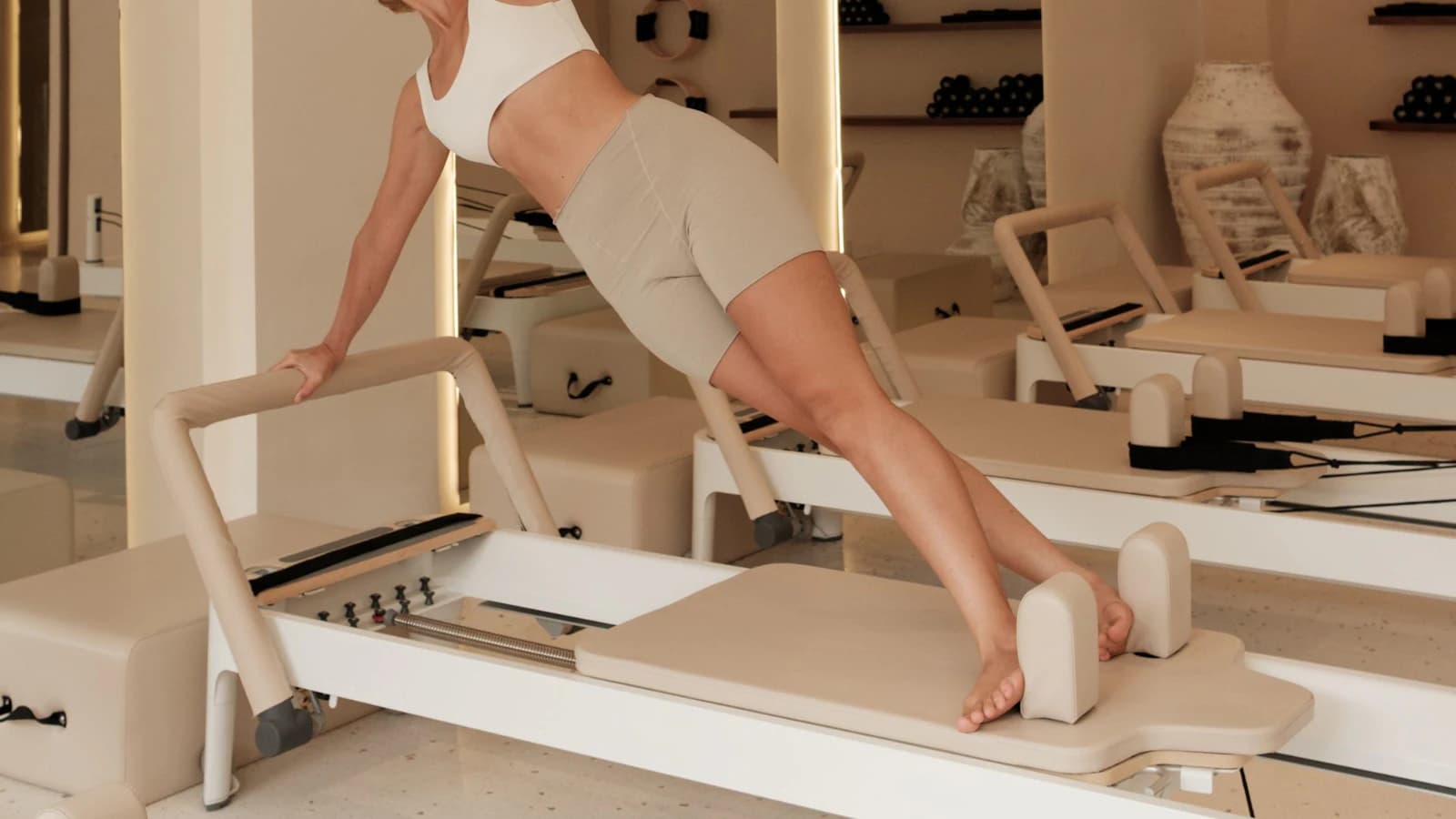
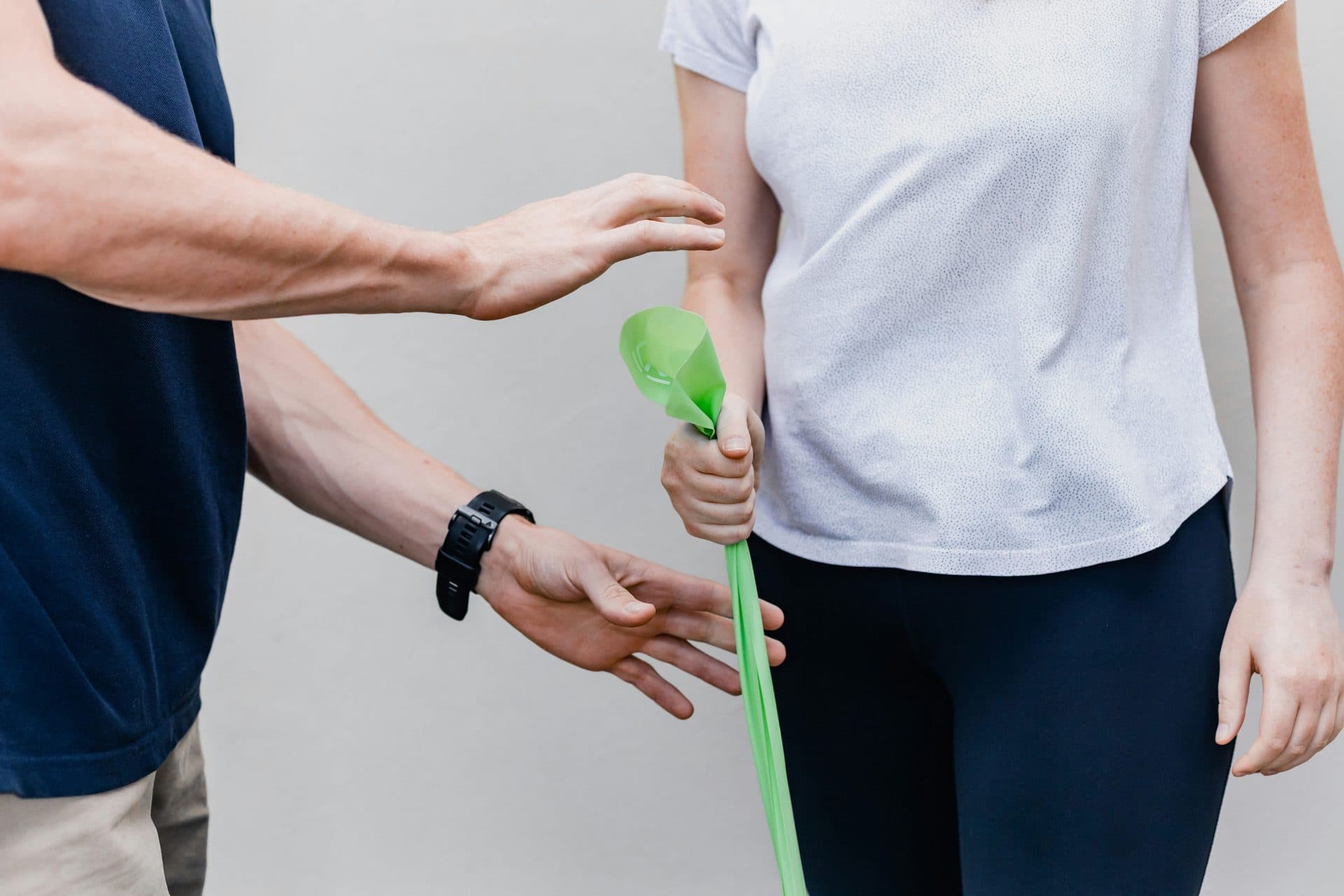
- Strengthening: targeted resistance work for the muscles that drive walking, standing, and transfers. Strength training is safe and effective for adults with cerebral palsy and is often the single most valuable ingredient, because it directly counters the weakness that undermines mobility.
- Flexibility and tone management: regular, structured stretching and range-of-motion work to keep tight muscles long enough to allow functional movement, and to slow the development of fixed shortening.
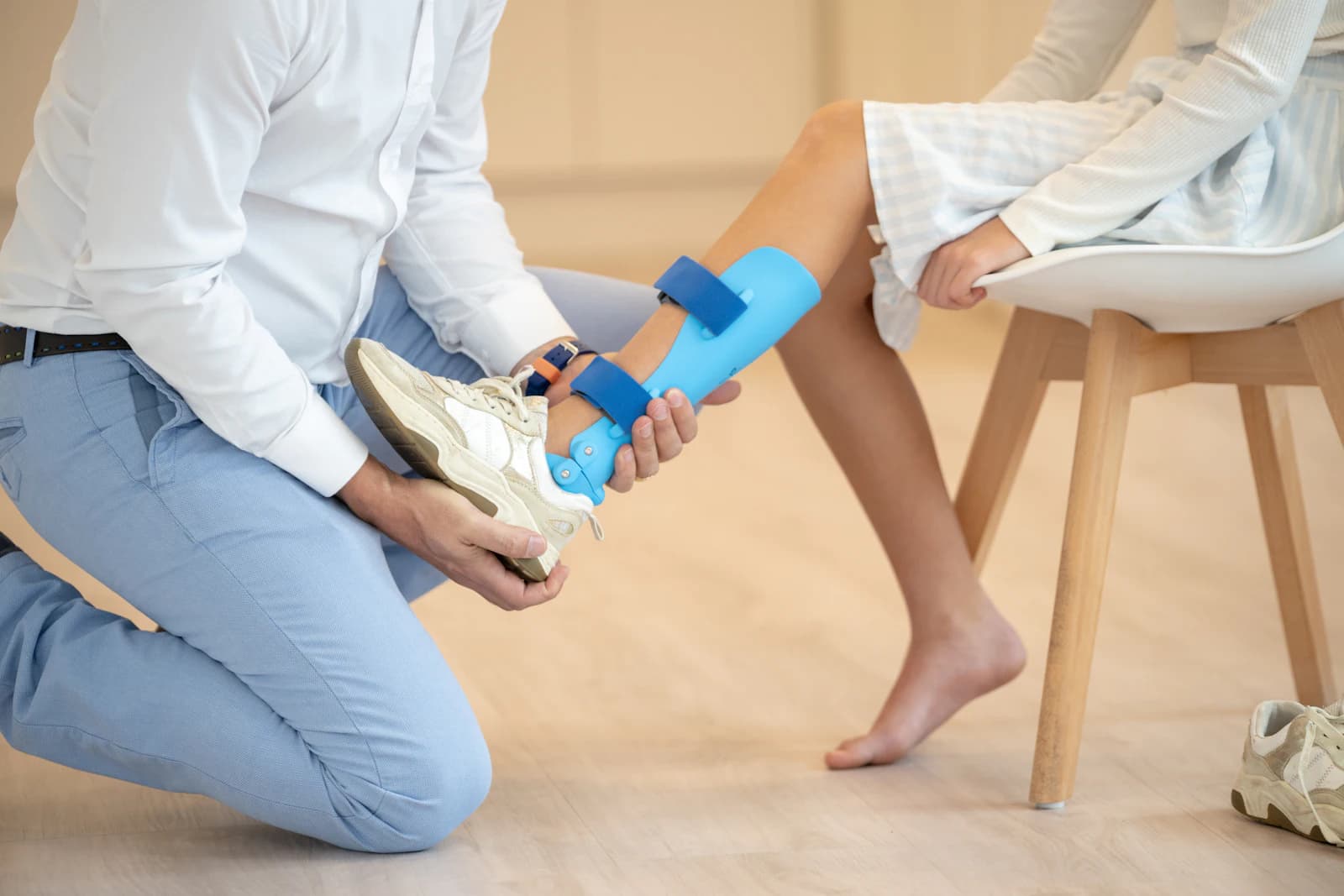
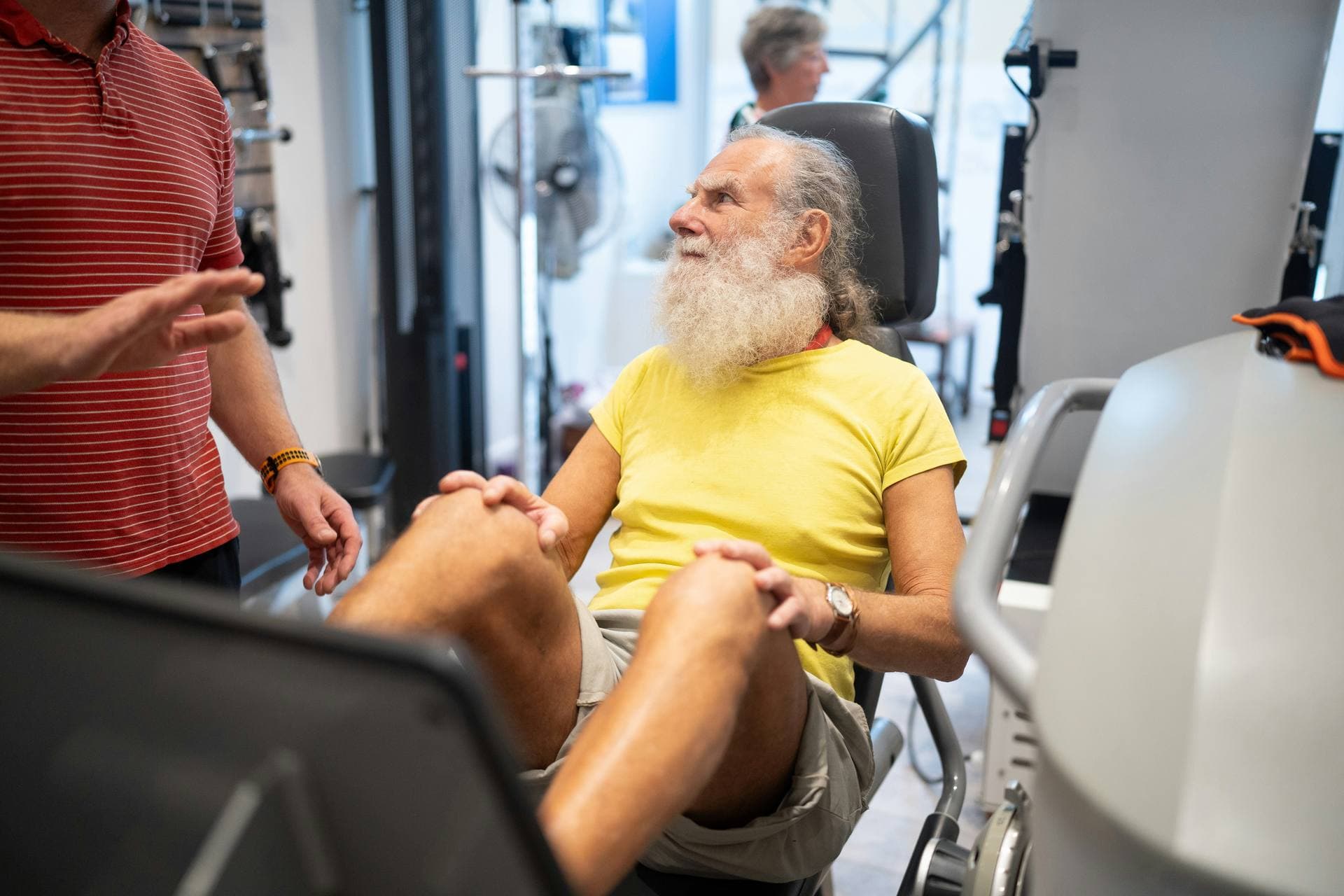
- Gait and movement practice: working on walking pattern, efficiency, and safety so that each step costs less energy and carries less risk — and, for aid or wheelchair users, refining transfers and functional movement.
- Balance and falls prevention: training the reactions and strength that keep a person upright, which protects both independence and confidence.
- Pain and posture: addressing the back, hip, and neck strain that builds up over years, so pain stops being a barrier to staying active.
- Energy and pacing strategies: practical advice on distributing effort through the day so fatigue limits less of what someone wants to do.
A Lifelong Maintenance Map
Adult cerebral palsy is managed across a whole life rather than in a fixed recovery timeline, so the priorities shift with the decades. The table below describes broad, typical emphases rather than a rigid schedule, and the goals overlap throughout.
| Life Stage | What Tends to Change | Physiotherapy Focus |
|---|---|---|
| Young adulthood | Therapy from childhood often stops; routines change with study and work | Establish an independent strength and flexibility habit, protect the gains made earlier, build self-management skills |
| Middle adulthood | Stiffness, fatigue, and joint or back pain become more noticeable; walking may take more effort | Manage tone and pain, maintain strength and walking efficiency, adapt activity to conserve energy |
| Later adulthood | Balance and endurance are harder to keep; falls risk rises; transfers may need more support | Prioritise balance and falls prevention, preserve independence in transfers and daily tasks, keep moving safely |
| Throughout | Function responds to how consistently the body is used | Keep a regular, sustainable programme that defends mobility year after year rather than reacting only to setbacks |
Most adults who keep up a consistent, well-structured programme find they hold on to their mobility far better than those who stop therapy altogether — and many regain ground they assumed was lost for good once strength and flexibility are rebuilt.
The Role of Family and Daily Habits
Maintaining mobility is largely won between sessions, in the ordinary routines of daily life. A home programme that fits realistically into a week — a manageable set of strengthening and stretching exercises done regularly rather than an ambitious plan done occasionally — is what produces lasting results. Family members and partners can play a valuable part, whether by helping with a stretch that is hard to reach independently, encouraging consistency on low-energy days, or simply keeping the home set up to make movement easy and safe. The aim is always to support independence, not replace it: every transfer, step, and task a person continues to do for themselves is mobility being actively maintained.
When to Seek Help
It is worth arranging a physiotherapy assessment if you are an adult with cerebral palsy and you notice walking becoming more effortful, stiffness or pain increasing, fatigue limiting more of your day, balance feeling less reliable, or transfers becoming harder. These changes are common, but they are not something to simply accept — they are usually the most treatable when addressed early, before strength and range have been lost. A new or worsening pain, a fall, or a sudden change in function deserves prompt assessment rather than watchful waiting. A thorough evaluation identifies which factors are driving the change in your particular case and turns that into a practical, sustainable plan.
Book a Cerebral Palsy Mobility Assessment
At PhysioDanali, we work with adults who have cerebral palsy to maintain mobility through life — building the strength, flexibility, balance, and movement efficiency that keep you independent and active. We see patients in Voula, Glyfada, Vari, and Vouliagmeni, in clinic and at home, which makes it far easier to keep a programme consistent over the long term. For more on our at-home service, see our at-home physiotherapy page and our chiropractic and manual therapy page.
Mobility in adult cerebral palsy is kept by using the body well, not by waiting. Book an assessment and build a plan that defends your movement for years to come.
Call PhysioDanali today to book your cerebral palsy mobility assessment.
This article is informational and does not replace individual medical assessment. New or worsening pain, falls, or a sudden change in function should be assessed by a qualified clinician.