
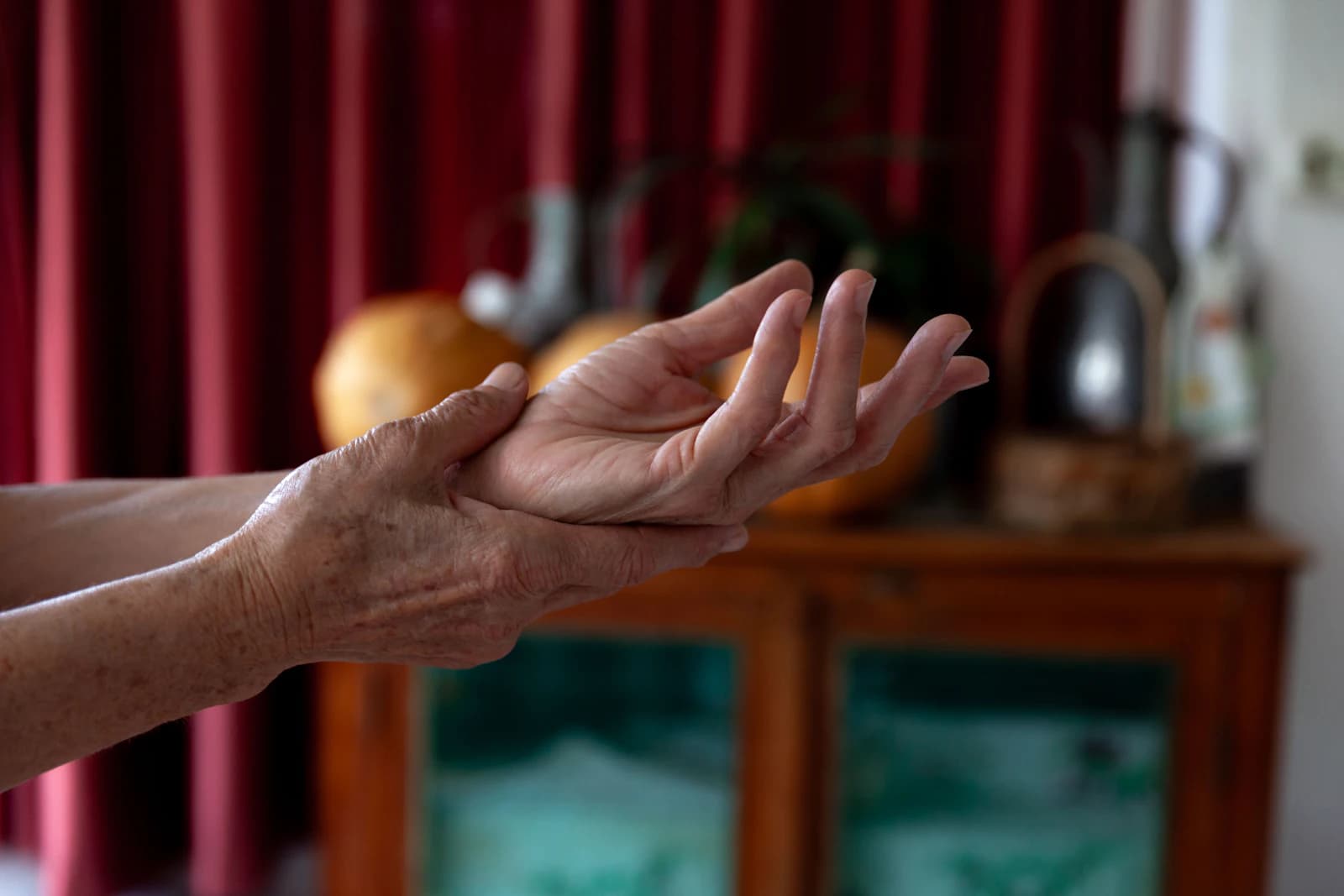
Rheumatoid arthritis (RA) is a chronic autoimmune inflammatory condition that affects not only your joints — it affects your life. From waking up in the morning with stiff hands to struggling to climb a flight of stairs, the challenges are daily and very real.
The good news is that physiotherapy is one of the most effective forms of complementary management. It does not replace the medication prescribed by your rheumatologist, but it can significantly improve your quality of life — and in many cases noticeably reduce pain and disability.
What Happens to the Joints in RA
In rheumatoid arthritis, the immune system mistakenly attacks the articular cartilage and the synovial membrane. This causes inflammation, swelling, pain, and — over time — joint destruction.
The most commonly affected joints are: • The fingers and wrists • The knees and ankles • The neck (particularly the C1–C2 cervical segment in chronic cases) • The shoulders and hips
A characteristic feature is morning stiffness that typically lasts more than 30–60 minutes — this is what distinguishes RA from osteoarthritis. Understanding what is happening in your body is the first step towards managing it more effectively.
The Role of Physiotherapy in Rheumatoid Arthritis
Physiotherapy in RA does not aim to "cure" the autoimmune condition — that is the rheumatologist's role. Its goals are to:
- Maintain and improve the range of movement in affected joints
- Strengthen the muscles surrounding the joints in order to reduce the load on them
- Reduce pain and inflammation through natural means (heat therapy, cryotherapy, TECAR, ultrasound)
- Improve balance and functional ability in daily life
- Educate the patient in joint protection techniques
It is important for your physiotherapist to know which phase you are in: a flare or remission. The approach differs considerably between the two.
Flare Phase vs Remission Phase: Very Different Approaches
During a flare, the joints are inflamed, warm, and painful. During this period:
- Exercise is limited to gentle range-of-movement activities with no resistance
- Cryotherapy (an ice pack) is preferred to help reduce inflammation
- Rest and correct joint positioning are the priority
- Splints may be used for short-term immobilisation
During remission, the approach becomes more active:
- Strengthening exercises with a gradual increase in resistance
- Low-intensity aerobic exercise (walking, cycling, swimming)
- Balance and proprioception exercises
- Occupational therapy techniques for fine movements of the hands
If you have hip pain or neck pain related to RA, an individualised assessment will determine which exercises are right for you.
Clinical Pilates: The Ideal Tool for Patients with RA
The Clinical Pilates is one of the most suitable forms of exercise for people with rheumatoid arthritis — and this is no coincidence.
Unlike traditional strengthening exercises, Clinical Pilates:
- Focuses on movement control rather than load or speed
- Strengthens the deeper stabilising muscles, which reduces stress on the joints
- Improves posture, reducing strain on the spine and lower limbs
- Is fully adapted to the needs and limitations of each individual patient
- Can be performed even during low-intensity phases of the condition
Sessions are always carried out under the guidance of a trained physiotherapist, who monitors your body's response and modifies exercises accordingly.
Chiropractic Care and RA: When Can It Help?
The chiropractic management of rheumatoid arthritis requires particular care and adaptation. Classical high-velocity low-amplitude (HVLA) manipulation is not applied to joints that are actively inflamed or have structural damage.
However, there are low-force techniques (soft tissue techniques, mobilisation) that can:
- Relieve the periarticular muscles of chronic tension
- Improve mobility in unaffected joints that are being overloaded as a result of compensation
- Reduce stiffness in the back and neck when these areas are not in a flare
In all cases, chiropractic treatment of patients with RA must be carried out by an experienced practitioner and always in coordination with the rheumatologist.
Lymphatic Drainage for Joint Swelling
One of the most troublesome symptoms of RA is oedema (swelling) in the joints — particularly in the hands, wrists, and knees. This is where lymphatic drainage can offer significant relief.
Gentle manual lymphatic drainage:
- Helps reduce oedema in the periarticular tissues
- Reduces the sensation of heaviness and tightness in the limbs
- Has a calming effect on the nervous system, also reducing the perception of pain
- Is particularly gentle and suitable even during flares, provided that direct pressure on the inflamed joints is avoided
This technique does not replace medication, but it can effectively complement overall management.
Home Physiotherapy: The Ideal Solution for Patients with RA
For many patients with rheumatoid arthritis, travelling to a physiotherapy clinic — especially during a flare — is itself a challenge. Home physiotherapy solves this problem.
The benefits are real and meaningful:
- The fatigue of travelling is avoided, sparing an already exhausted body
- The physiotherapist assesses your home and suggests ergonomic improvements
- Treatment takes place in a familiar environment, reducing stress
- Exercises are adapted to the actual objects and furniture in your home
- Available to patients in Voula, Vouliagmeni, Vari, Glyfada, and Alimos
The home visit includes a full assessment, the application of therapeutic techniques, and instruction in an exercise programme that you can carry out independently between sessions.
Exercises You Can Do Every Day
A few gentle exercises can make a significant difference in managing RA — always in agreement with your physiotherapist and provided you are not in a flare:
- Finger range-of-movement exercises: slowly open and close your fist, 10 repetitions
- Isometric quadriceps exercises: tighten your thigh with your knee straight and hold for 5 seconds
- Glute strengthening in a lying position: "bridge" exercise performed at a slow pace
- Walking on flat ground for 15–20 minutes daily
- Breathing and relaxation exercises to manage the fatigue that often accompanies RA
Important: if pain increases or new swelling appears during exercise, stop and contact your healthcare professional. This article provides general information and does not replace an individualised assessment.
When to Seek a Physiotherapist
You do not need to wait until you have "reached your limit" before seeking help. Early physiotherapy intervention — ideally from the first stages of diagnosis — can slow functional decline.
Seek a physiotherapist if:
- Morning stiffness is preventing you from carrying out basic daily activities
- You notice progressive weakness in certain joints
- Medication is controlling the inflammation but you continue to experience functional difficulties
- You wish to return safely to sporting or leisure activities
If you are on the Athens Riviera, you can book an appointment for an assessment — either at your home or at our clinic. Konstantinos Danalis will guide you with a personalised programme tailored to your needs and the current phase of your condition.