Konstantinos Danalis PT

Peripheral Neuropathy: Restoring Sensation, Balance, and Confidence

Peripheral neuropathy physiotherapy — sensory retraining, balance work, and gait rehabilitation

Walking on a thin pillow. A floor that is not quite where it should be. Peripheral neuropathy quietly erodes the signal between the feet and the brain — and balance falls apart long before walking does. Physiotherapy does not chase the nerve. It rebuilds the system around the nerve: sensory retraining, progressive balance work, targeted strengthening of the foot, calf and hip, and gait on varied surfaces...... Read

Tennis Elbow (Lateral Epicondylitis): Why Rest Alone Makes It Worse

Tennis elbow physiotherapy — manual therapy and progressive loading for lateral epicondylitis

Fewer than one in twenty patients with tennis elbow actually plays tennis. Lateral epicondylitis is a degenerative tendinopathy of the common extensor tendon — not an inflammation — and complete rest tends to prolong it rather than fix it. A progressive loading programme that starts with isometric holds, moves into heavy-slow eccentric and concentric work, and finishes by rebuilding grip and the kinetic chain consistently outperforms rest, anti-inflammatories, and steroid injections in the medium term...... Read

Post-Surgical Lymphatic Drainage: The Brazilian Method for Faster Recovery After Liposuction and Abdominoplasty

Post-surgical lymphatic drainage — manual therapy after liposuction and abdominoplasty

The first six weeks after liposuction or abdominoplasty shape the final result more than the operation itself. The Brazilian post-surgical drainage protocol — most widely associated with the Renata França method — mobilises stagnant lymph, prevents fibrosis, and works in concert with the compression garment. When the first session, the right frequency, and the timing matter; how drainage differs from classic Vodder; and which red flags send the patient back to the surgeon...... Read

Carpal Tunnel Syndrome: Night Splints, Nerve Glides, and Real Relief

Carpal tunnel syndrome — hand and wrist physiotherapy assessment

Night-time tingling in the thumb, index, and middle finger. Shaking the hand out to "wake it up." Most carpal tunnel cases are mechanical and respond well to conservative care when started early. A neutral-position night splint, properly dosed median nerve gliding, hands-on therapy of the wrist and forearm, graded strengthening, and a quiet review of daily ergonomics...... Read

Vestibular Rehabilitation: When the Room Won't Stop Spinning (BPPV & Dizziness)

Vestibular rehabilitation assessment for BPPV and dizziness

The world tilts when you roll over in bed. The supermarket aisle feels like a moving deck. Most adult dizziness is mechanical, not neurological — and remarkably treatable. BPPV cleared in one to three sessions with positional manoeuvres, gaze stabilisation and habituation for vestibular hypofunction, and the small red-flag list that actually changes the plan...... Read

Disc Herniation: Why Most Cases Heal Without the Operating Room

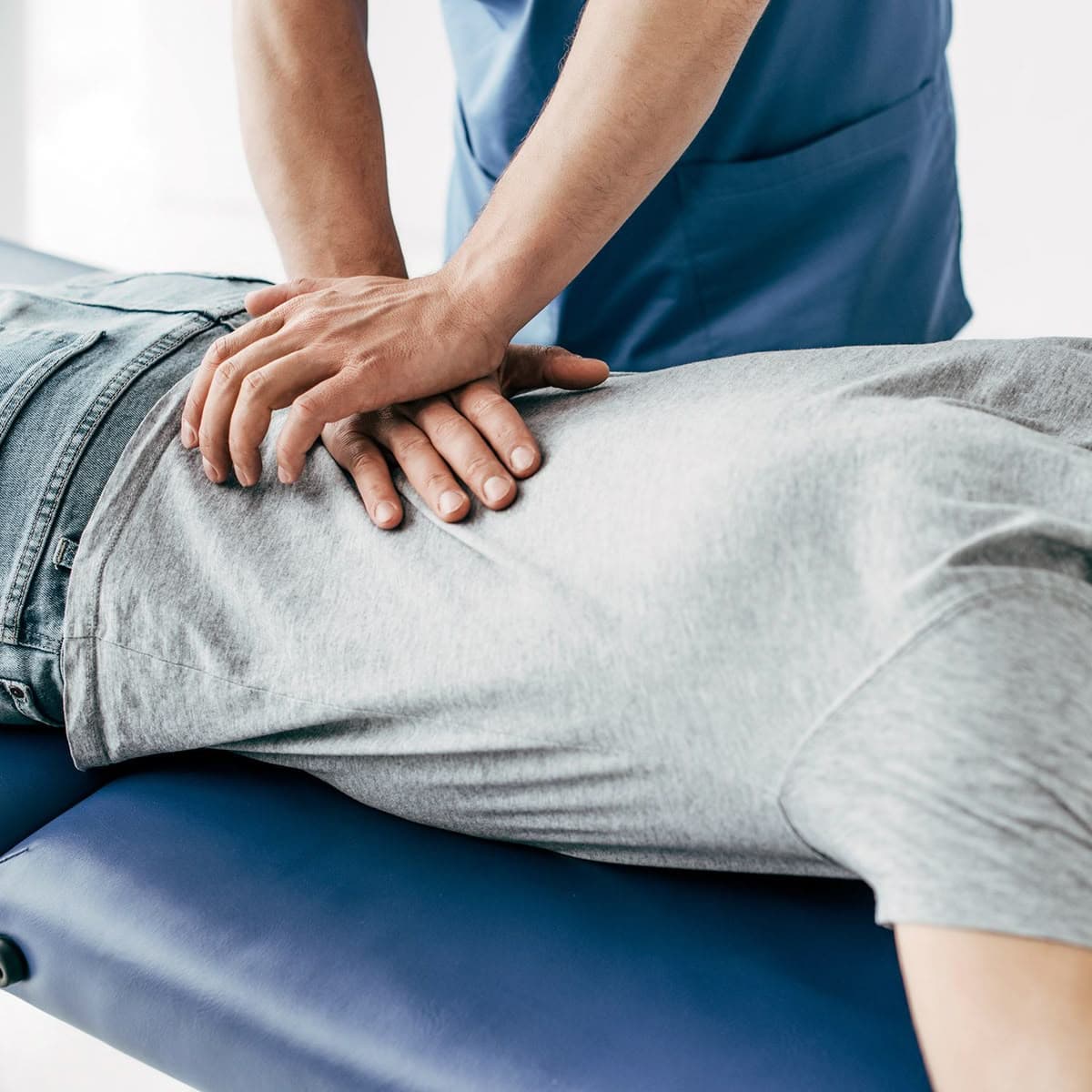
Manual therapy on the lumbar spine for disc herniation

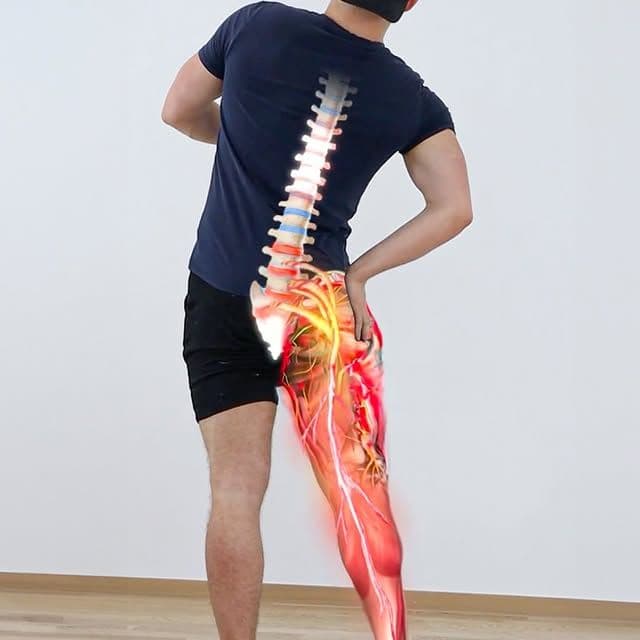
Few diagnoses cause as much fear as "disc herniation" — yet most settle without surgery. The body is much better at handling a herniated disc than the imaging report suggests. A five-phase conservative plan, directional preference, gentle nerve mobilisation, and the small list of red flags that genuinely change the conversation...... Read

Multiple Sclerosis and Physiotherapy: Building a Body That Lasts

Long-term neurological physiotherapy for multiple sclerosis

Multiple sclerosis asks the body to plan not for six weeks but for thirty years. The bodies that hold up best are not the ones protected from movement — they are the ones challenged by it. A long-term, layered physiotherapy plan covering strength, balance, gait, and fatigue management that bends around relapses but keeps moving forward...... Read

Rotator Cuff Tears Without Surgery: When Conservative Care Works

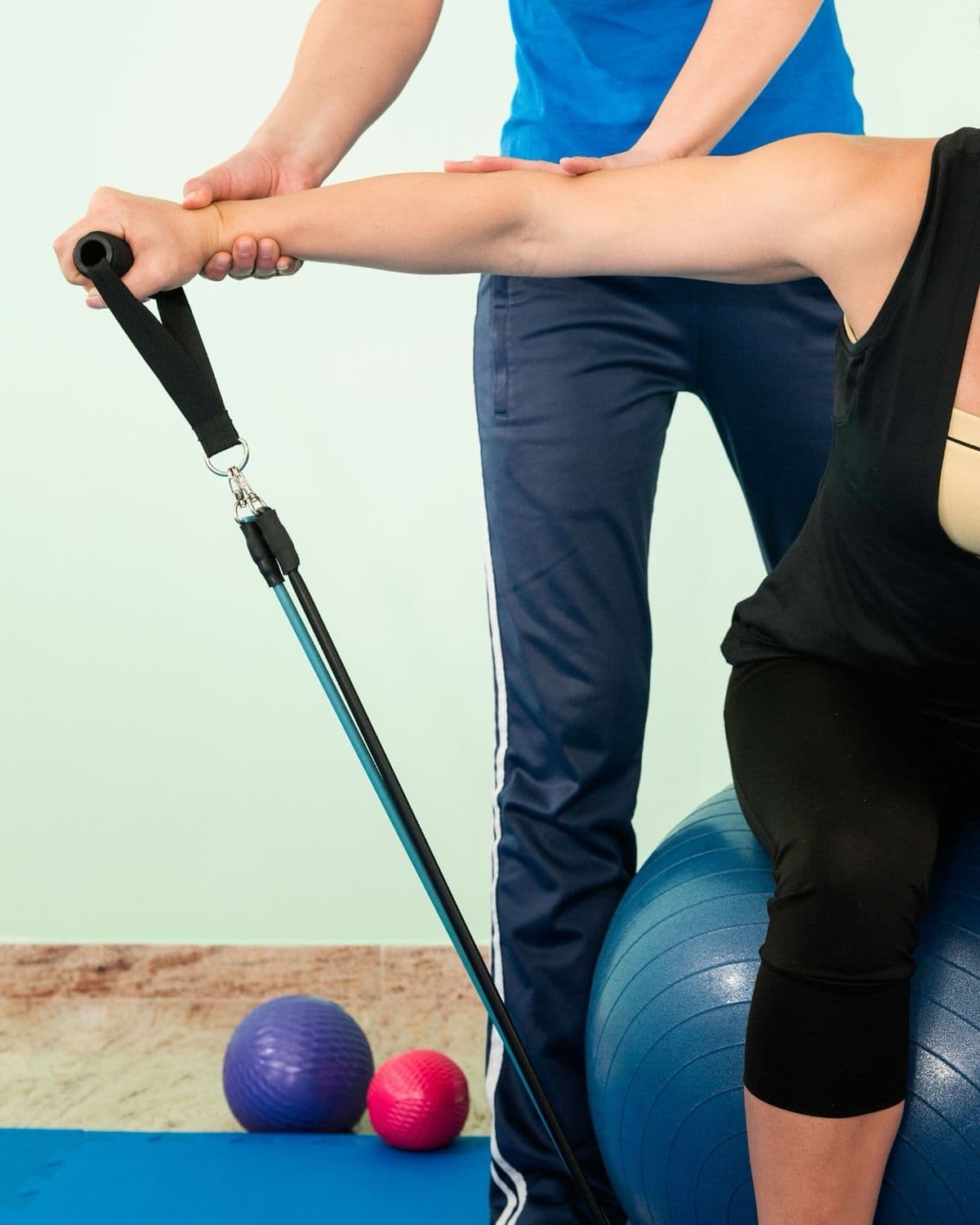
Conservative shoulder rehabilitation through targeted physiotherapy

"Rotator cuff tear" sounds catastrophic — but most do not need an operating room. The right candidates for conservative care, a staged four-phase non-surgical protocol of manual therapy and progressive loading, the common mistakes that stall recovery, and when to genuinely reconsider surgery...... Read

Frozen Shoulder: The Three Phases No One Explains

Manual therapy for frozen shoulder

A vague ache when reaching for a seatbelt. A sharp catch when putting on a jacket. Frozen shoulder moves through three predictable phases — freezing, frozen, thawing — and the treatment that helps in one phase prolongs the next if applied wrongly. Phase-specific manual therapy and exercise can dramatically shorten the course...... Read

Parkinson's Disease: Why Exercise Is the Most Powerful Medicine

Parkinson's disease physiotherapy exercise

A tremor in one hand. A slight stoop. For many people, Parkinson's disease arrives quietly. But Parkinson's is not the end of an active life — it is the beginning of a different one. One of the most powerful tools against it is targeted, consistent, specialized exercise...... Read

Stroke: The First 48 Hours That Determine Recovery

Neurological rehabilitation after stroke

A phone call. A moment that divides life into "before" and "after." Your loved one has just suffered a stroke. There is hope — and this hope has a scientific basis. The brain possesses a remarkable capacity for recovery, provided we act correctly and promptly...... Read

Sprained Ankle (Ankle Ligament Injury)

Ankle sprain injury

A sprain is an injury to the ligaments and joint capsule structures of a joint, but does not involve muscles and tendons. In the ankle joint, the mechanism of injury is...... Read

Lower Back Pain Management

Lower back pain

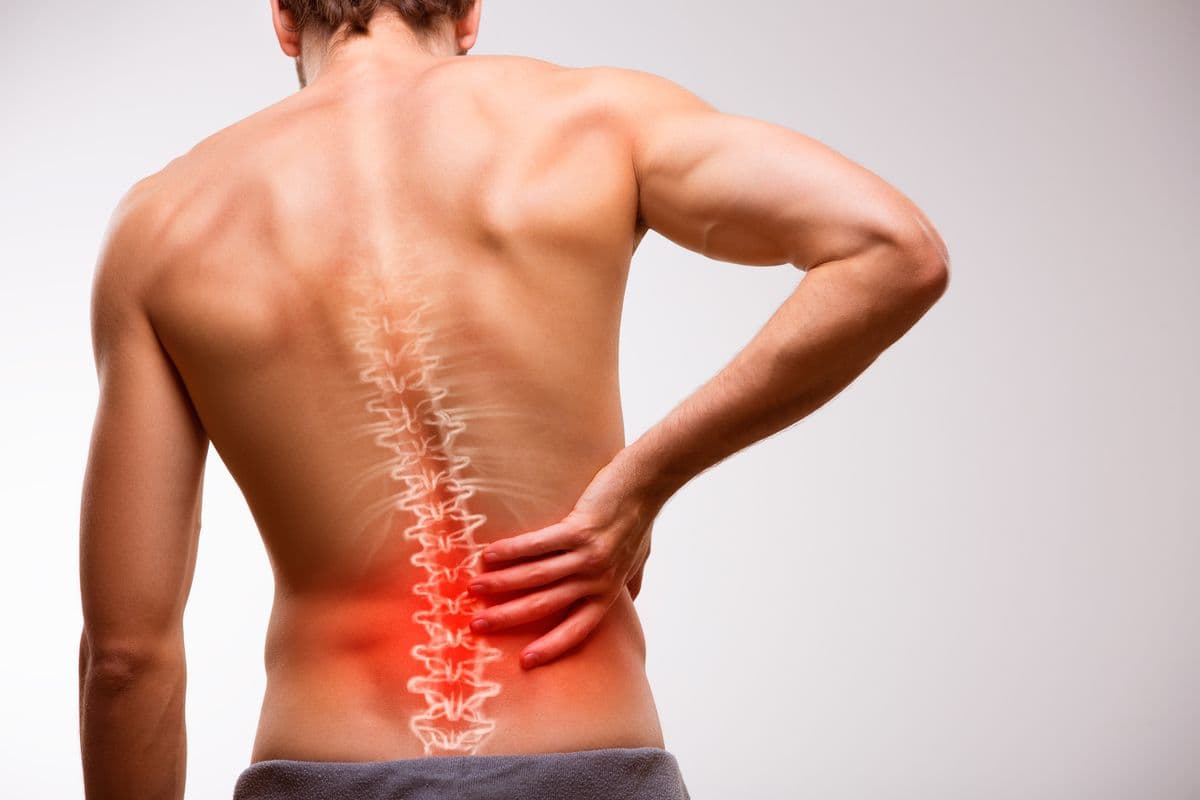
Lower back pain is discomfort or dysfunction in the lumbar region — the area of the lower back from the gluteal muscles to the 12th rib. It is a common condition, but in many people it becomes chronic, which is why...... Read

Neck Pain Management

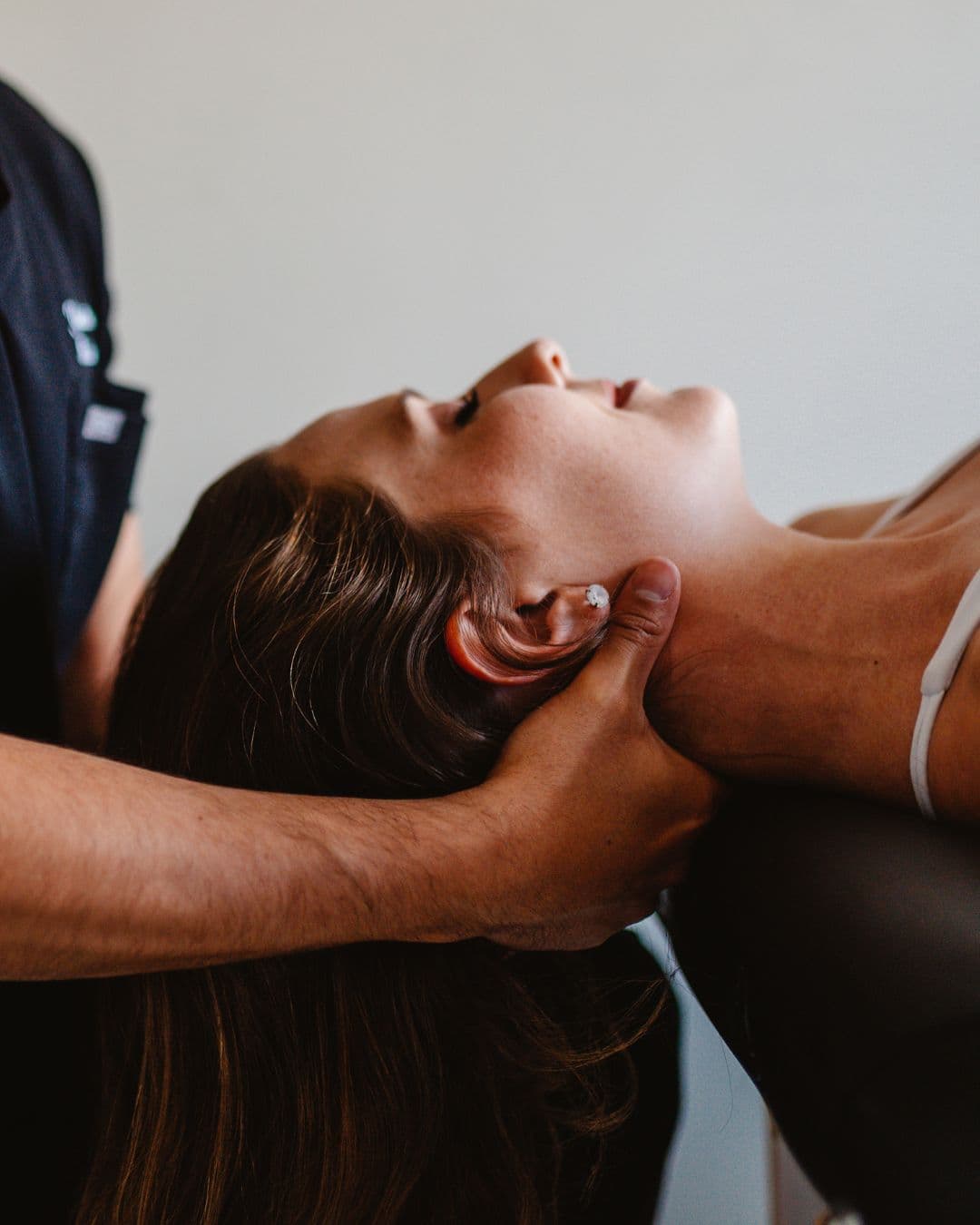
Neck pain

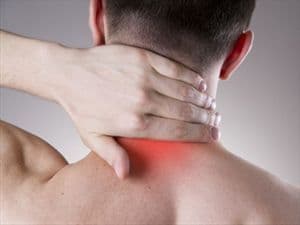
Pain in the broader area of the neck, head, and upper back at the shoulder level is characteristic of neck pain and cervical syndrome. These conditions are marked by pain, stiffness, and functional limitation...... Read

Shoulder Pain Management

Shoulder pain

Shoulder pain may originate from the spine or from any of the many structures that make up the shoulder joint, which include...... Read

Knee Pain Management

Knee pain

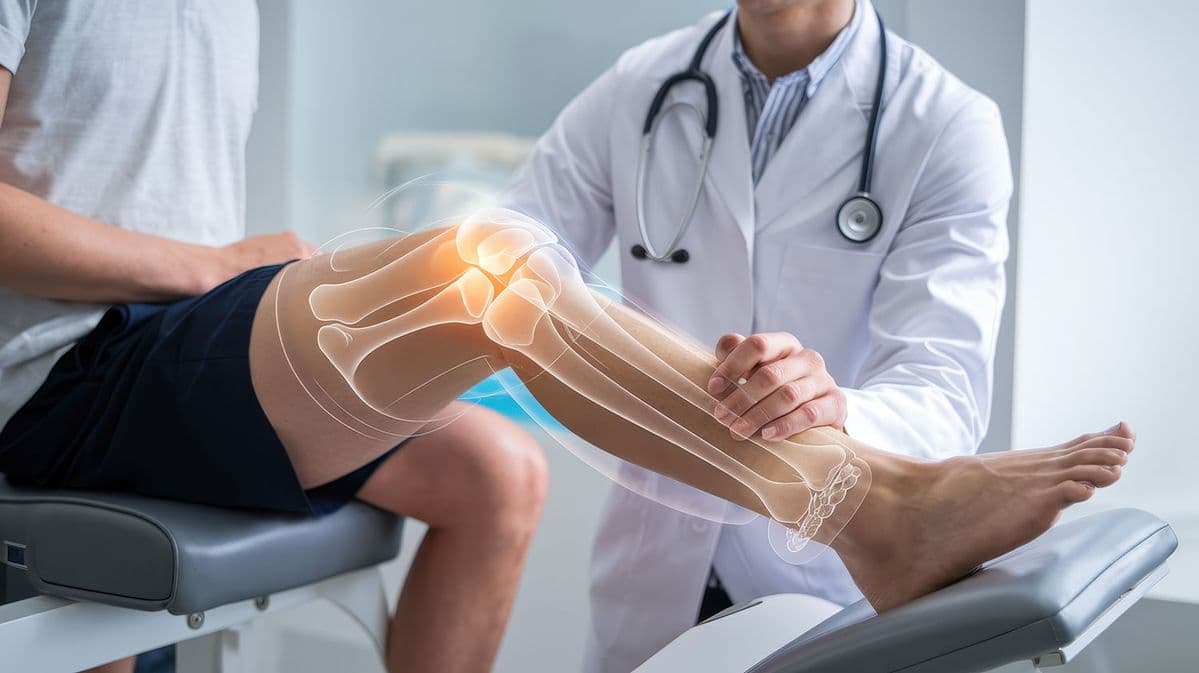
Assessment by a physiotherapist is essential to identify which structures are affected and to exclude or confirm the presence of other pathological conditions with similar symptoms...... Read

Hip Pain Management

Hip pain

Hip pain is not always a straightforward issue. It may originate from the spine or from any of the many structures that make up the hip joint...... Read

Hand Pain Management

Hand pain

Hand pain can range from mild intensity in specific movements to severe pain even at rest. It is important during assessment to determine whether pain occurs during movement, which specific movements trigger it, and how long it lasts...... Read

Epicondylitis Management

Elbow pain

Elbow pain can originate from various tissues in the human body — muscle fibers, tendons, bursa, ligaments, bones, cartilage, and nerves. However, it is also possible that pain originates from more than one structure...... Read

Foot Pain Management

Foot pain

Foot pain is not always a simple issue. It may originate from any of the many structures that make up the foot...... Read