Carpal tunnel syndrome — hand and wrist physiotherapy assessment

Why most carpal tunnel cases are mechanical rather than mysterious, what a hand physiotherapist actually does in the first session, why a properly fitted night splint can change everything in two weeks, and how nerve gliding restores median nerve mobility — from a manual therapist who treats wrist and hand problems in clinic every week.

Carpal tunnel syndrome usually arrives quietly. The first sign is often a small, irritating tingling in the thumb, index, and middle finger that wakes the patient at three in the morning. They shake the hand out, the tingling fades, and they fall back asleep — until the next night, when it happens again. Over weeks and months the night-time numbness lengthens, daytime symptoms appear when holding the phone or driving, fine grip becomes clumsy, and small objects start slipping. By the time most people seek help, they have already lived with the condition for six to eighteen months and convinced themselves it is "just how their hand is now."

It is not. Carpal tunnel syndrome is one of the most well-understood mechanical problems in the upper limb, and the great majority of cases respond to conservative treatment if it is started before the nerve is permanently damaged. The first job in clinic is to confirm that the diagnosis really is carpal tunnel and not one of the conditions that mimic it, then to identify the loading pattern that is keeping the median nerve compressed, and finally to give the wrist enough rest, the nerve enough movement, and the hand enough strength to break the cycle.

What the Carpal Tunnel Actually Is and Why It Compresses

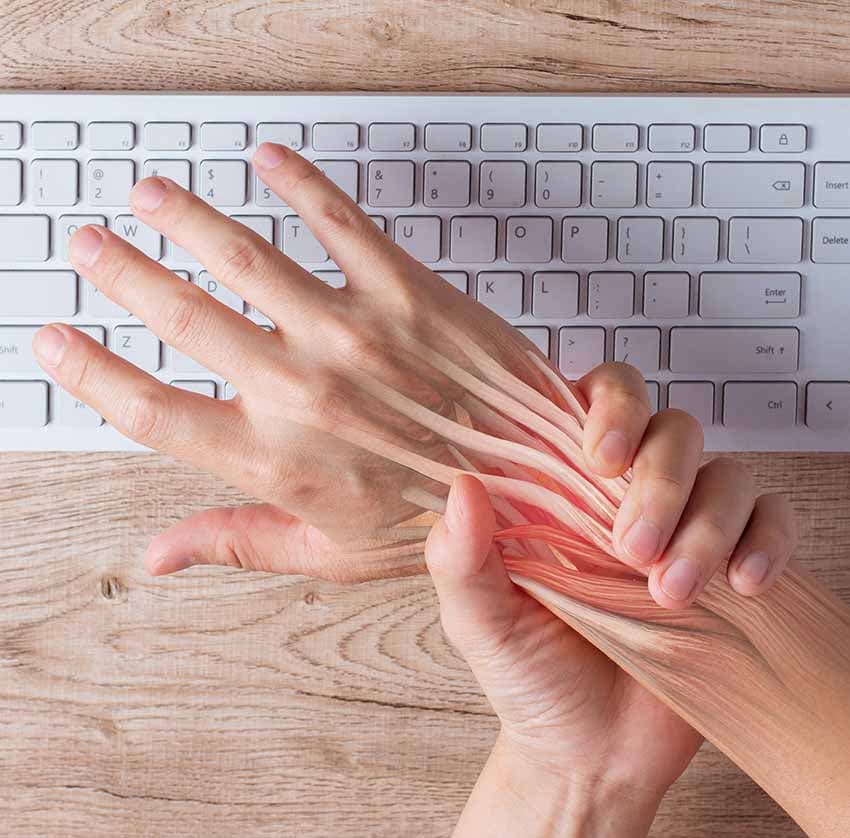
The carpal tunnel is a narrow passage on the palm side of the wrist, bounded by the eight carpal bones on three sides and by a thick fibrous band — the transverse carpal ligament — on the fourth. Nine flexor tendons and the median nerve pass through this tunnel together. The tunnel is not very negotiable: it cannot expand to accommodate swelling. When the tendons inflame, when synovial tissue thickens, when wrist position is held in extreme flexion or extension for hours at a time, or when fluid retention rises (pregnancy, hypothyroidism, diabetes), pressure inside the tunnel climbs and the median nerve is squeezed against the unyielding ligament above it.

The median nerve is responsible for sensation in the thumb, index, middle, and the radial half of the ring finger, and for the small muscles at the base of the thumb. When it is compressed, the sensory fibres give up first — tingling, pins and needles, burning at night. Months later, if compression continues, the motor fibres fade and the thenar muscles begin to waste. Recovery is fast at the sensory stage and very slow once muscle wasting has set in. That is why early treatment matters far more than aggressive treatment.

The Three Stages of Carpal Tunnel and Why They Matter

Not every patient with carpal tunnel symptoms is the same patient. The clinical picture, and the right treatment, changes with severity.

Stage Typical Presentation Conservative Outlook
Mild (sensory, intermittent) Night-time tingling, shakes hand out for relief, no daytime symptoms, no weakness Excellent — night splints and ergonomic change often resolve symptoms in 4–8 weeks
Moderate (sensory, persistent) Daytime tingling with prolonged grip, dropping small objects, numbness lasting hours, no obvious muscle wasting Good — full programme of splinting, nerve gliding, manual therapy, and load management over 6–12 weeks
Severe (sensory + motor) Constant numbness, thenar muscle wasting, weak thumb pinch, loss of fine dexterity Surgical decompression usually required; physiotherapy supports pre- and post-operative recovery

The point of staging is not to label patients but to set realistic expectations. A patient at the mild end may need nothing more than a well-fitted splint and a few corrections to how they sleep. A patient with visible thenar wasting needs a hand surgeon's opinion — not because physiotherapy will not help, but because waiting risks permanent loss of pinch strength.

The Diagnosis: Why History Matters More Than Imaging

Carpal tunnel is fundamentally a clinical diagnosis. Imaging shows nothing in mild cases and is rarely required at all. The story the patient tells — night-time tingling in the median distribution, relief with shaking, worsening with prolonged grip or wrist flexion — is more diagnostic than any scan. In clinic, a careful upper-limb assessment screens for the conditions that mimic carpal tunnel: cervical radiculopathy (C6–C7) producing forearm tingling, pronator syndrome compressing the median nerve higher up the arm, thoracic outlet syndrome, and peripheral neuropathy from diabetes or vitamin deficiency. Provocation tests at the wrist (Phalen's, Tinel's, the carpal compression test) add information without confirming the diagnosis on their own. When the picture is uncertain or severity is high, nerve conduction studies are the gold standard for confirming median nerve compression at the wrist.

Night Splinting: The Single Most Effective Conservative Intervention

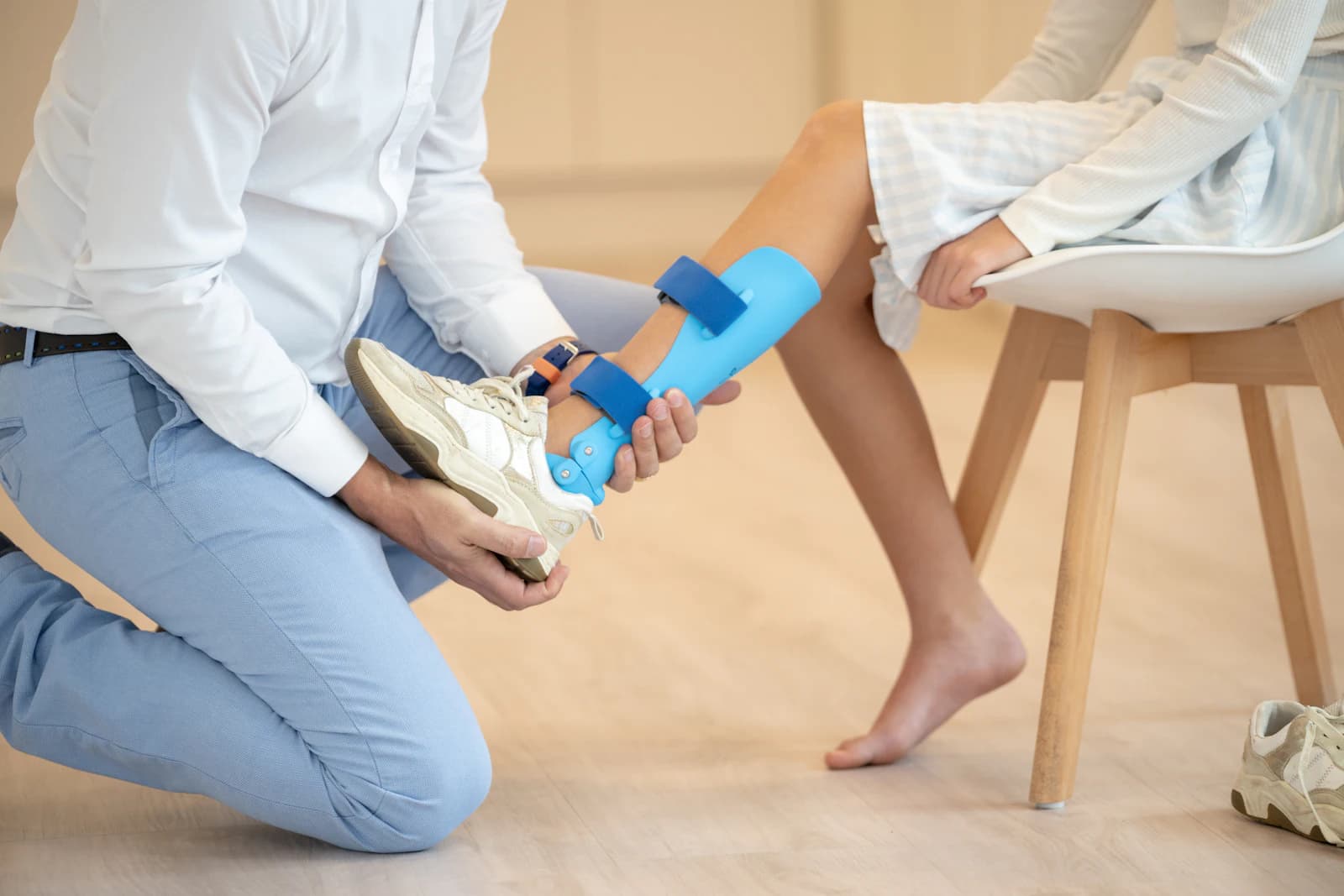
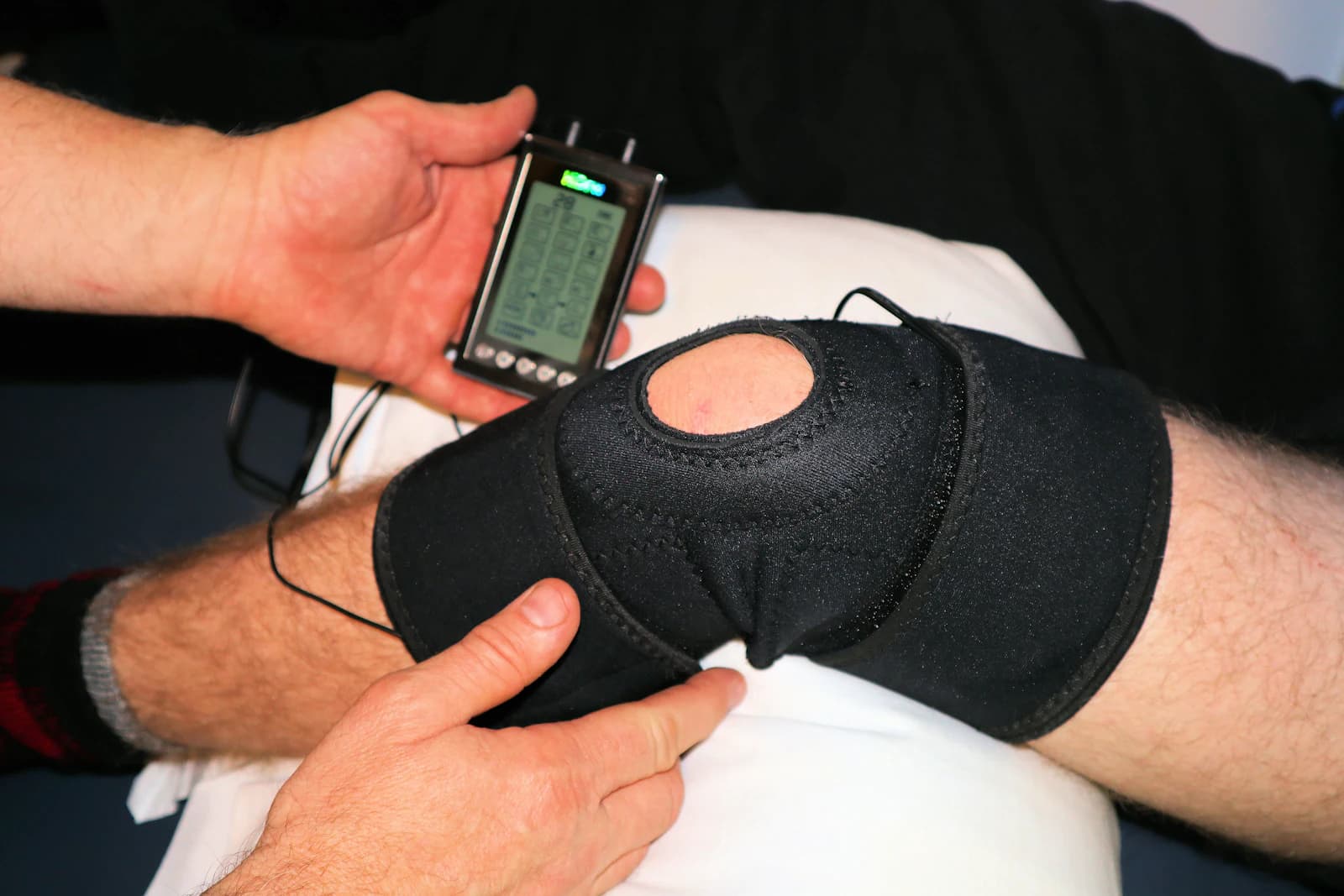
If carpal tunnel had one indispensable conservative treatment, it would be a properly fitted neutral-position wrist splint worn at night. Most people sleep with the wrist flexed or extended; both positions sharply increase pressure inside the carpal tunnel. A splint that holds the wrist in zero degrees — straight — across the night drops tunnel pressure to its lowest value and stops the median nerve from being squeezed for six to eight hours at a stretch. Patients who tolerate the splint and wear it consistently often report a clear reduction in night-time symptoms within two weeks. The catch is fit: off-the-shelf splints frequently hold the wrist in slight extension because the metal stay is shaped for a generic hand. A physiotherapist or occupational therapist who knows how to re-bend the stay, or who can fit a custom thermoplastic splint, turns a mediocre tool into a powerful one. Daytime splinting is usually reserved for high-load tasks (long driving, prolonged keyboard use) rather than worn constantly, because the wrist also needs movement to stay healthy.

Median Nerve Gliding: Restoring Mobility to a Compressed Nerve

The median nerve is not a fixed cable. It glides several millimetres up and down the arm with every elbow and wrist movement, and when scar tissue, swelling, or sustained compression restricts that gliding the nerve becomes irritable and tethered. Nerve gliding exercises — sometimes called nerve flossing — are gentle, carefully graded sequences of finger, wrist, elbow, and neck movements designed to move the nerve through its tunnel without stretching it. The goal is mobilisation, not stretching: a stretched nerve is an angry nerve, and aggressive flossing makes carpal tunnel worse. Done correctly, in the right dose, gliding restores neural mobility and combines well with splinting and manual therapy. Done as a YouTube exercise without proper coaching, it is one of the most common reasons patients arrive in clinic saying "the physiotherapy made it worse." The dose, technique, and progression matter.

Manual Therapy of the Wrist and Forearm

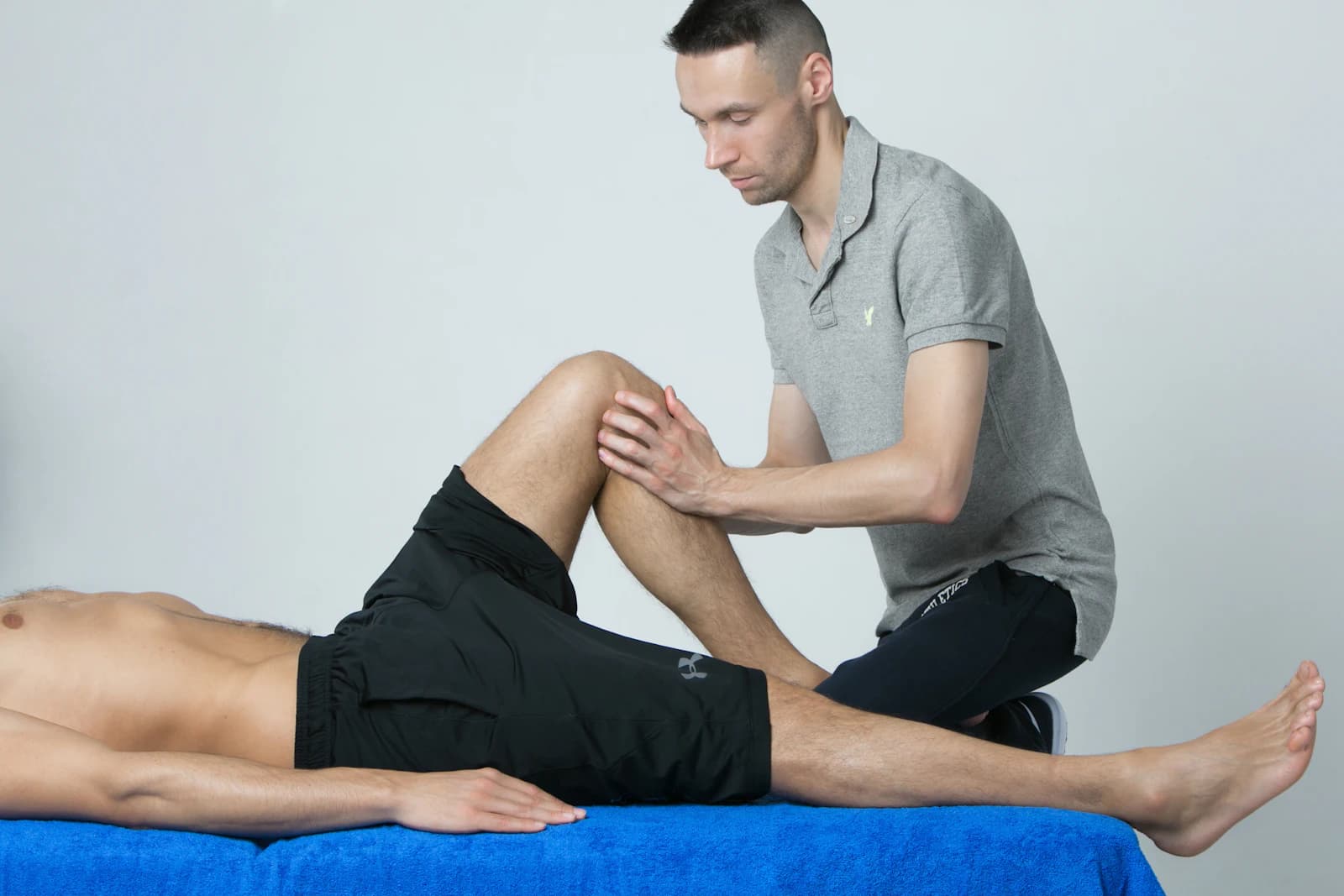
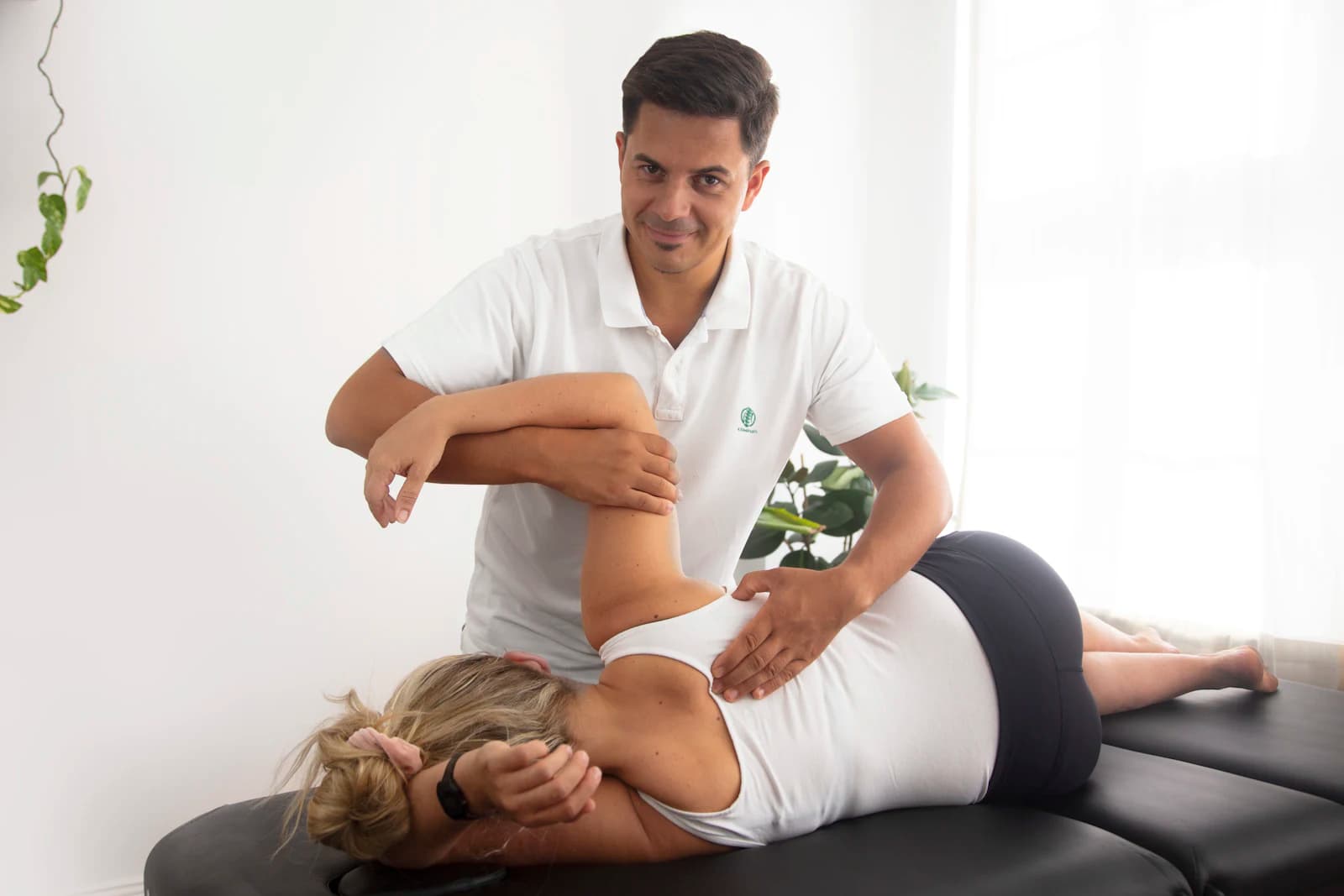
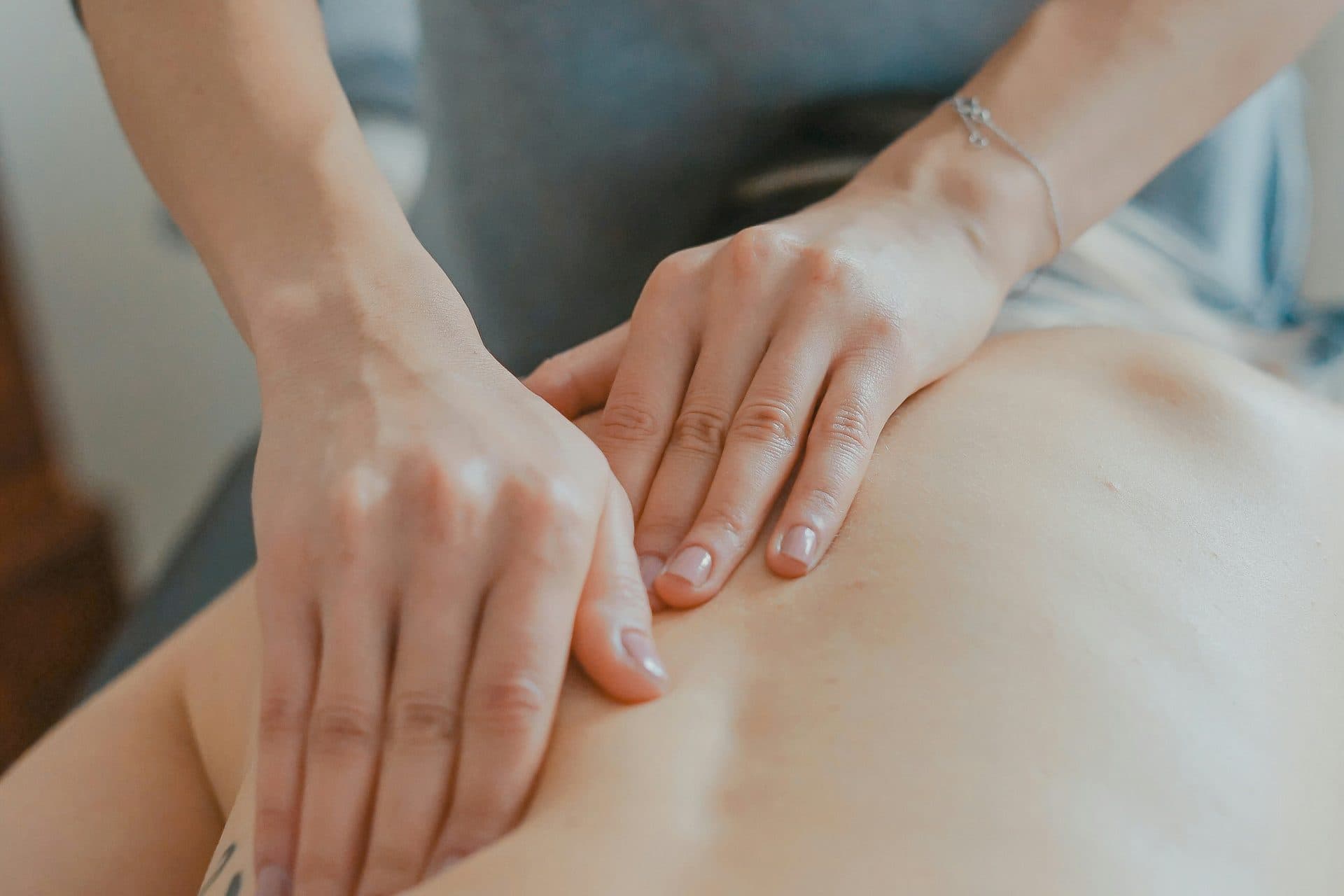
The carpal tunnel does not exist in isolation. The eight carpal bones can lose mobility relative to each other, the transverse carpal ligament can thicken, the flexor retinaculum can become tight, and the forearm flexor muscles can develop trigger points that refer pain into the wrist and hand. Manual therapy at the wrist — carpal mobilisations, soft-tissue work on the forearm flexor mass, fascial release of the transverse carpal ligament, and joint mobilisation of the elbow and cervical spine — frequently produces a measurable change in symptoms within the session. It is rarely a stand-alone treatment, but combined with splinting and gliding it accelerates recovery substantially.

Strengthening: The Phase Most Programmes Skip

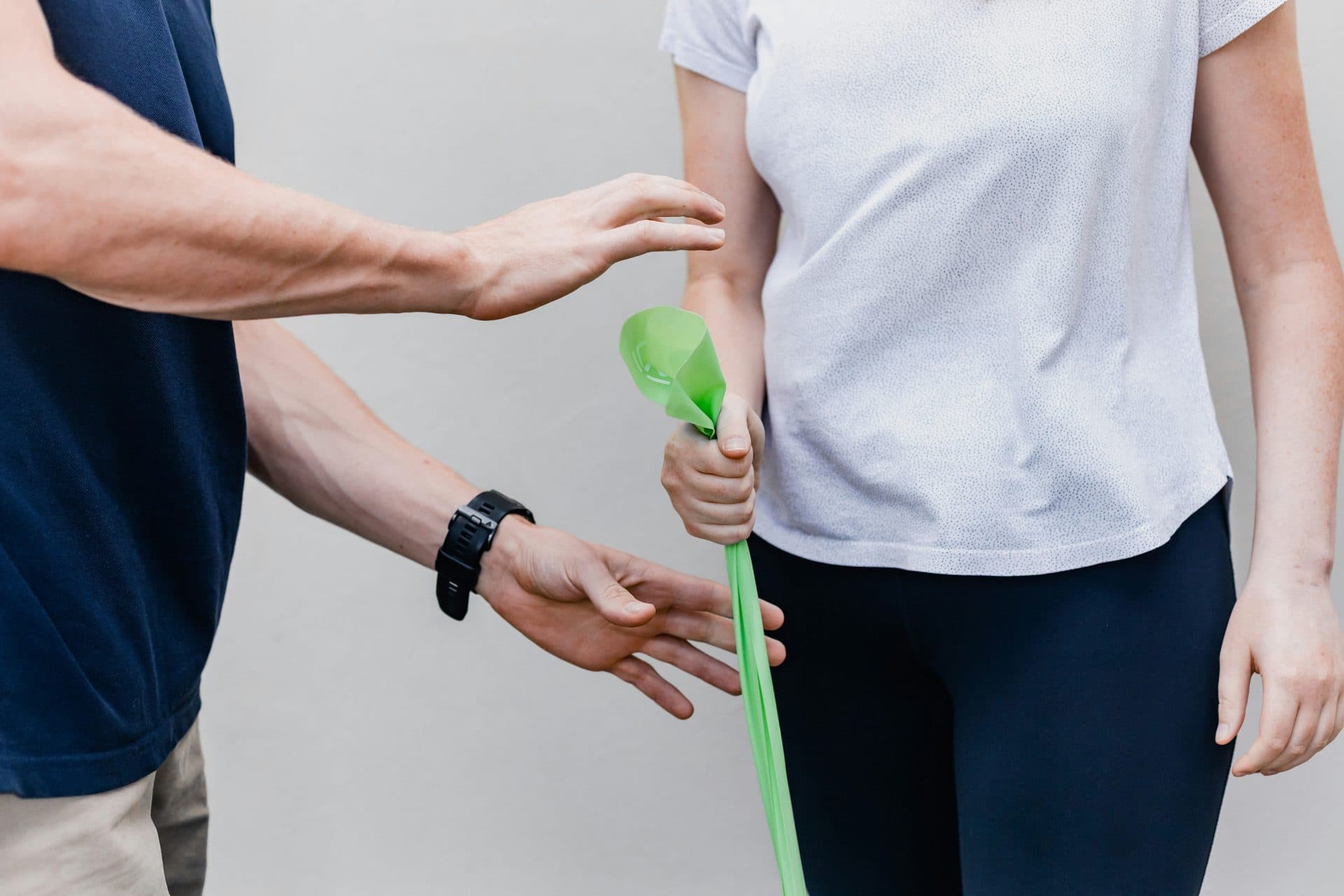
Once symptoms have eased, the wrist and hand need to be loaded progressively. Grip strength, pinch strength, intrinsic hand muscle endurance, and forearm flexor and extensor balance all need rebuilding — particularly in patients whose work involves repetitive hand use. Strength is what makes the recovery durable. Patients who feel better, stop their splint and exercises, and return immediately to the same workload usually relapse within months. A graded loading programme over four to eight weeks, started once night symptoms are controlled, is the difference between temporary relief and long-term resolution.

Ergonomics and Daily Loading: The Quiet Cause of Most Relapses

Most carpal tunnel patients have an external loading problem, not just an internal anatomy problem. A keyboard that is too high, forcing the wrist into extension. A phone gripped for two hours at a time. A steering wheel held with the wrist flexed. A child carried with sustained finger flexion. A handlebar position that pinches the nerve at the heel of the palm. A mouse used without forearm support. None of these alone cause carpal tunnel, but they keep it going. A thorough ergonomic review — workstation, sleep position, hobbies, sports, parenting demands — is part of every assessment. Many patients improve significantly with two or three simple changes that cost nothing.

What About Steroid Injection and Surgery?

Corticosteroid injection into the carpal tunnel produces fast, often dramatic, short-term relief and is sometimes useful as a diagnostic tool or as a bridge while a patient organises surgery. The effect tends to fade over months in most patients, and repeated injections are not recommended. Surgical decompression — release of the transverse carpal ligament — is highly effective for severe and refractory cases, particularly those with motor involvement, and is one of the most reliable hand operations performed. The role of physiotherapy in surgical cases is pre-operative education and post-operative rehabilitation: managing scar mobility, restoring grip strength, retraining nerve gliding through a freshly decompressed tunnel, and returning the patient safely to their work. Conservative care and surgery are not enemies; they are different tools for different stages of the same condition.

When to Seek Help

If you wake at night with numbness or tingling in the thumb, index, and middle fingers; if you find yourself shaking your hand out to "wake it up"; if you drop small objects more than you used to; if your grip feels weaker on the affected side; or if you have started noticing the thenar pad (the muscle bulk at the base of the thumb) looks flatter than the other side — book an assessment. The earlier conservative treatment begins, the higher the chance it works and the lower the chance of needing surgery.

Book an Assessment Appointment

At PhysioDanali, we treat carpal tunnel syndrome with a structured conservative programme that combines clinical diagnosis, custom splint fitting, median nerve gliding, manual therapy of the wrist and forearm, graded strengthening, and ergonomic correction. We see patients in Voula, Glyfada, and Vouliagmeni, both in clinic and at home — useful for patients whose symptoms are aggravated by driving. For more on our at-home work, see our at-home physiotherapy page.

If you are dealing with night-time hand tingling, numbness, or grip weakness and want a clear plan with realistic timelines, book a single assessment session. One visit is usually enough to confirm the diagnosis, fit the right splint, and start you on the recovery path.

Call PhysioDanali today to book a carpal tunnel assessment.

This article is informational and does not replace medical advice. Decisions about nerve conduction studies, steroid injection, and surgery for carpal tunnel syndrome should always be made with a qualified physiotherapist and, where appropriate, a hand surgeon or neurologist who has examined the patient in person.


Book an Appointment