
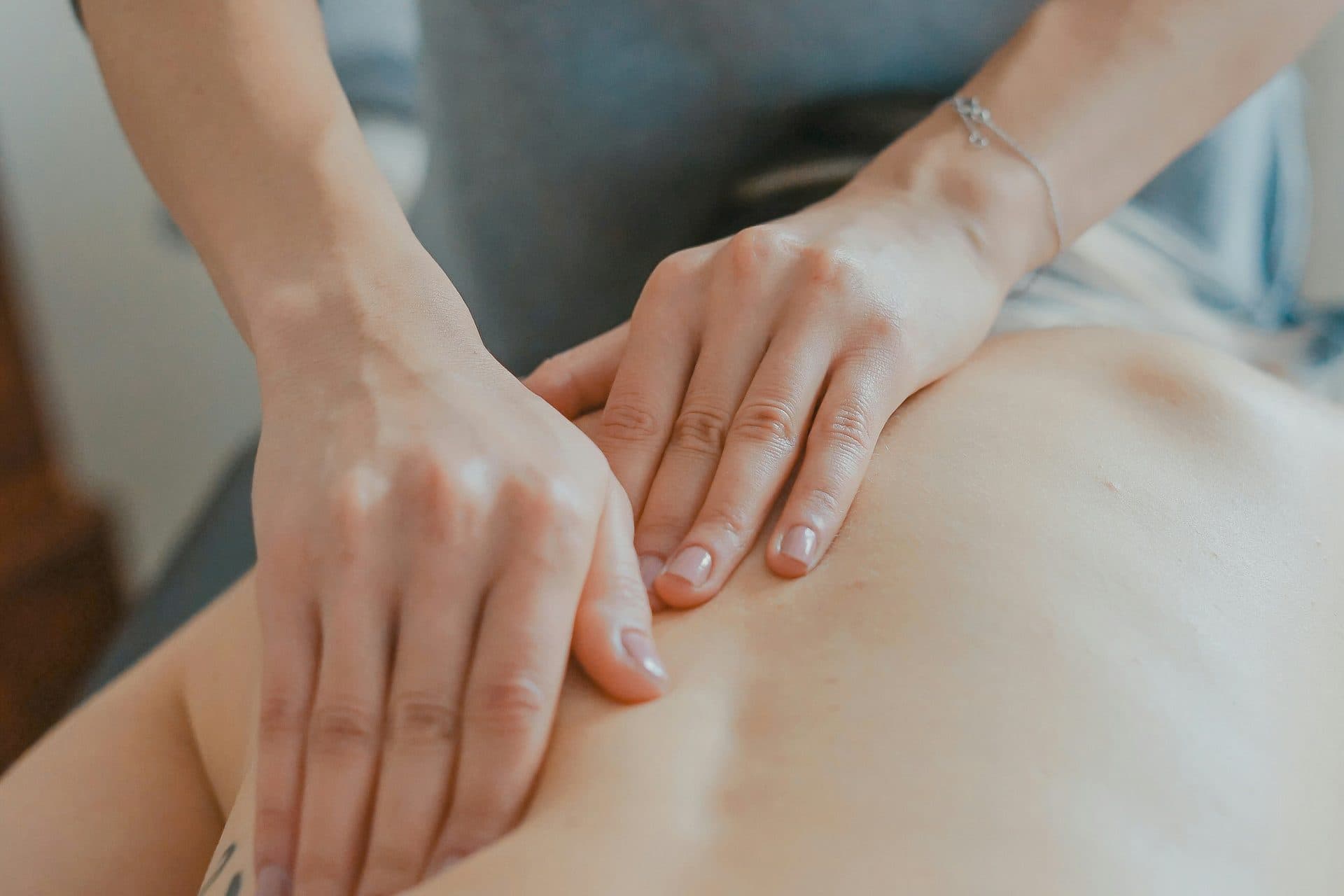
A clinical overview of Brazilian Lymphatic Drainage (Renata França method): mechanism of action, comparison with the classical European technique (Vodder/Leduc), evidence-based indications, contraindications and clinical decision-making when selecting a technique for post-surgical and chronic lymphatic dysfunction.
Manual Lymphatic Drainage (MLD) is a recognised physiotherapy intervention that aims to activate and accelerate lymphatic flow through the superficial lymphatic capillaries and collecting vessel networks. Two main schools of practice prevail in international clinical use. The first is the classical European school, developed by Emil Vodder in the 1930s and expanded by Albert Leduc, characterised by very light, slow, rhythmic stretching of the skin. The second is the Brazilian school, internationally codified through the Renata França method and more widely known as Brazilian Lymphatic Drainage; it is characterised by firmer pressure, faster pumping movements and prior activation of the major lymph node chains. Both techniques are clinically valid; the choice between them depends on the underlying condition, the state of the tissue and the presence of contraindications.
Anatomy and Physiology of the Lymphatic System
The lymphatic system is a one-way drainage network that runs parallel to the venous circulation. Lymphatic capillaries — thin-walled vessels with valves, located in the superficial dermis and subcutaneous tissue — collect interstitial fluid, plasma proteins, lipids, cellular debris and immune cells. This pre-lymphatic load is carried through afferent vessels and lymph node chains and ultimately returns to the venous circulation via the thoracic duct and the right lymphatic duct, at the level of the subclavian veins. The lymphatic system has no central pump; flow is generated by the intrinsic contractility of the lymphangions, the muscle pump, diaphragmatic breathing movement and transmitted arterial pulsation.
When this propulsive mechanism is disrupted — by surgical interruption of lymphatic pathways, prolonged immobility, hormonal fluctuations, dependent venous stasis or chronic low-grade inflammation — interstitial fluid accumulates, producing the clinical picture of oedema, lymphostasis or, in severe cases, lymphoedema. Manual Lymphatic Drainage, regardless of technique, aims to restore propulsion through this network.
The Classical European Method (Vodder & Leduc)
The classical technique applies very light pressure (approximately 30–40 mmHg), targeting exclusively the stretching of the skin surface without compressing the underlying muscles. The movements are slow, circular and rhythmic, calibrated to the natural contraction frequency of the lymphangions (approximately 6–10 contractions per minute). The treatment sequence begins centrally and progresses peripherally: drainage starts at the cervical lymph nodes (the terminal region), advances to the peripheral lymph node chains and concludes at the affected limb.
The physiological rationale is precise. The initial lymphatic capillaries are thin-walled structures with anchoring filaments that respond to gentle skin stretching by opening. Excessive pressure collapses them, forces fluid into deeper compartments where drainage is less effective and may trigger vasomotor reflex reactions. The classical method is therefore the technique of choice in primary and secondary lymphoedema, post-mastectomy lymphoedema and any clinical situation involving fragile, inflamed or recently operated tissue.
The Brazilian Method (Brazilian Lymphatic Drainage — Renata França Style)
The Brazilian school developed in a clinical environment with a strong focus on post-plastic-surgery and aesthetic rehabilitation. Therapists working in this setting shaped a technically distinct approach: deeper, palpable pressure, faster pumping movements and initial percussive activation of the major lymph node chains (cervical, axillary, abdominal, inguinal) prior to peripheral drainage. The Renata França method, named after the Brazilian therapist who systematised and disseminated it internationally, is the most widely recognised form of Brazilian Lymphatic Drainage.
The greater pressure engages not only the superficial lymphatic capillaries but also the deeper collecting vessels and adjacent fascial planes. Percussive activation of the lymph node chains increases regional lymphatic flow before peripheral mobilisation, theoretically reducing back-pressure at the drainage outlets. Clinically, patients frequently report a measurable reduction in abdominal circumference, reduced heaviness in the lower limbs and a perceptible improvement in skin tone within a single session — findings consistent with redistribution of interstitial fluid from stagnant tissue compartments.
Comparative Analysis
| Parameter | Classical European (Vodder/Leduc) | Brazilian Lymphatic Drainage (Renata França) |
|---|---|---|
| Applied pressure | Very light (~30–40 mmHg); skin stretching only | Firm; palpable in the subcutaneous tissue and superficial fascia |
| Movement speed | Slow, repetitive, synchronised with lymphangion contraction frequency | Fast, pumping, sustained rhythmic compression |
| Treatment sequence | Central first (cervical terminal formation), then proximal to peripheral | Initial percussive activation of major lymph node chains, then full-body drainage |
| Primary clinical indication | Primary and secondary lymphoedema, post-mastectomy oedema, sensitive or inflamed tissue | Non-acute post-surgical oedema, idiopathic interstitial fluid retention, body contouring following stabilised recovery |
| Immediate clinical outcome | Subtle; cumulative across successive sessions | Measurable same-day reduction in circumference and tissue tension |
| Typical session duration | 60–90 minutes | 60–75 minutes; higher physiological intensity |
Neither method is inherently superior; each is the technique of choice for a different clinical presentation.
Clinical Indications for Brazilian Lymphatic Drainage
In our clinical practice, the Brazilian method is selected in the following contexts:
Sub-acute and chronic post-surgical oedema. In patients recovering from procedures such as liposuction, abdominoplasty or orthopaedic limb surgery, once the acute inflammatory phase has resolved (generally beyond two to three weeks post-operatively, depending on tissue type and the surgeon's protocol), the firmer Brazilian technique accelerates the clearance of residual interstitial fluid, particularly in the abdomen, hips and thighs.
Idiopathic interstitial fluid retention with intact lymphatic anatomy. This includes postural oedema secondary to prolonged sitting or standing, abdominal distension of non-gastrointestinal origin, premenstrual fluid retention, dependent peripheral oedema and generalised soft-tissue retention observed during periods of reduced physical activity. The deeper pumping action engages tissue compartments that very light movements do not reach adequately.
Complementary recovery in athletic populations. In active adults, the more dynamic rhythm acts as a circulatory stimulus, reduces subjective heaviness following intensive training periods and complements standard muscle recovery protocols.
Contraindications to Brazilian Lymphatic Drainage
The choice of technique is not interchangeable. The following clinical situations constitute either absolute contraindications or require a switch to the classical light-pressure technique:
• Acute post-surgical phase (typically the first one to two weeks following liposuction, abdominoplasty or major soft-tissue surgery). Tissue is fragile, inflamed and reactive; firm pressure is contraindicated. The classical light-pressure technique is the appropriate choice during this time window.
• Lymphoedema secondary to lymph node clearance (e.g. following mastectomy with axillary lymph node dissection). Management is medical and protocol-driven; firm pressure is not appropriate and may worsen the condition.
• Active infection or inflammation in the treatment area — bacterial cellulitis, recent skin infection, unhealed surgical wound or active dermatitis.
• Recent or untreated deep vein thrombosis (DVT). Manual Lymphatic Drainage of any type is contraindicated until vascular assessment has excluded the risk of clot mobilisation.
• Uncompensated cardiac or renal failure. Shifting large volumes of interstitial fluid into the central circulation places additional preload on an already compromised cardiovascular or renal system.
• Pregnancy — generally managed with a modified, gentler protocol; the firm Brazilian technique in the abdominal region is avoided as a precaution.
• Uncontrolled hyperthyroidism or significant endocrine instability.
• Active malignancy without prior oncological approval.
A structured medical history taken at the initial appointment is therefore not optional; it is the screening process that determines which protocol can be safely applied in each session.
Brazilian Lymphatic Drainage Session Structure
A typical session at our clinic begins with a brief clinical assessment: distribution of oedema, tissue quality, surgical history and exclusion of contraindications. Treatment proceeds through defined stages — sequential activation of the cervical, axillary, abdominal and inguinal lymph node chains, followed by drainage of the limbs and trunk using the characteristic deeper, rhythmic pumping technique. Most patients experience a measurable same-day reduction in abdominal circumference, a decrease in lower-limb heaviness and a perceptible improvement in skin tone. Lasting results — such as resolution of chronic interstitial fluid retention or optimisation of post-surgical recovery — typically require a planned course of sessions, with intervals adjusted to each individual's physiological response.
Combined Protocols
In practice, optimal clinical outcomes are rarely achieved using a single technique exclusively. A patient recovering from abdominoplasty may receive classical light-pressure drainage during the first two post-operative weeks, transition to a hybrid protocol over the following month and complete treatment with Brazilian Lymphatic Drainage to address residual contouring as tissue tolerance allows. A patient with chronic venous-lymphatic insufficiency of the lower limbs may receive primarily Brazilian drainage with classical technique applied at the reactive inguinal lymph nodes. Matching the technique to the current stage of the tissue — rather than to the name of the method — defines clinically sound lymphatic care.
Post-Treatment Recommendations
Adequate hydration is essential, as mobilised interstitial fluid is eliminated primarily via the kidneys; dehydration reduces the therapeutic effect. Gentle walking, diaphragmatic breathing and avoiding large meals immediately after the session are recommended. Mild fatigue or a sensation comparable to physical exertion is a normal and expected response and typically resolves within 12–24 hours. Bruising is not expected with correctly applied technique; its presence indicates pressure exceeding the tissue's tolerance threshold and requires a technical adjustment.
Indications for Clinical Assessment
Persistent peripheral fluid retention, asymmetric limb swelling, recurrent abdominal distension of non-gastrointestinal origin or recovery from recent plastic or general surgery are all indications for an in-person clinical assessment. The clinician selects the appropriate technique — classical, Brazilian Lymphatic Drainage or a sequential combination — based on the stage of the tissue and the exclusion of contraindications.
Book a Clinical Assessment Appointment
At PhysioDanali we provide both classical European and Brazilian Lymphatic Drainage (inspired by the Renata França method) Manual Lymphatic Drainage, selected and combined according to the clinical presentation. We treat patients in Voula, Glyfada and Vouliagmeni, at the clinic and at home. For further information on our lymphatic services, see our page on intensive lymphatic drainage.
If you are recovering from recent surgery, experiencing persistent peripheral oedema or seeking clinical guidance on the most appropriate technique for your situation, an initial assessment session is the right starting point.
Call PhysioDanali today to book a Brazilian Lymphatic Drainage assessment.
This article is for informational purposes only and does not replace medical assessment. Manual Lymphatic Drainage has specific contraindications — including deep vein thrombosis, active infection and certain cardiac, renal and oncological conditions — that require an in-person clinical assessment before treatment. Where indicated, management is carried out in coordination with the patient's treating doctor.