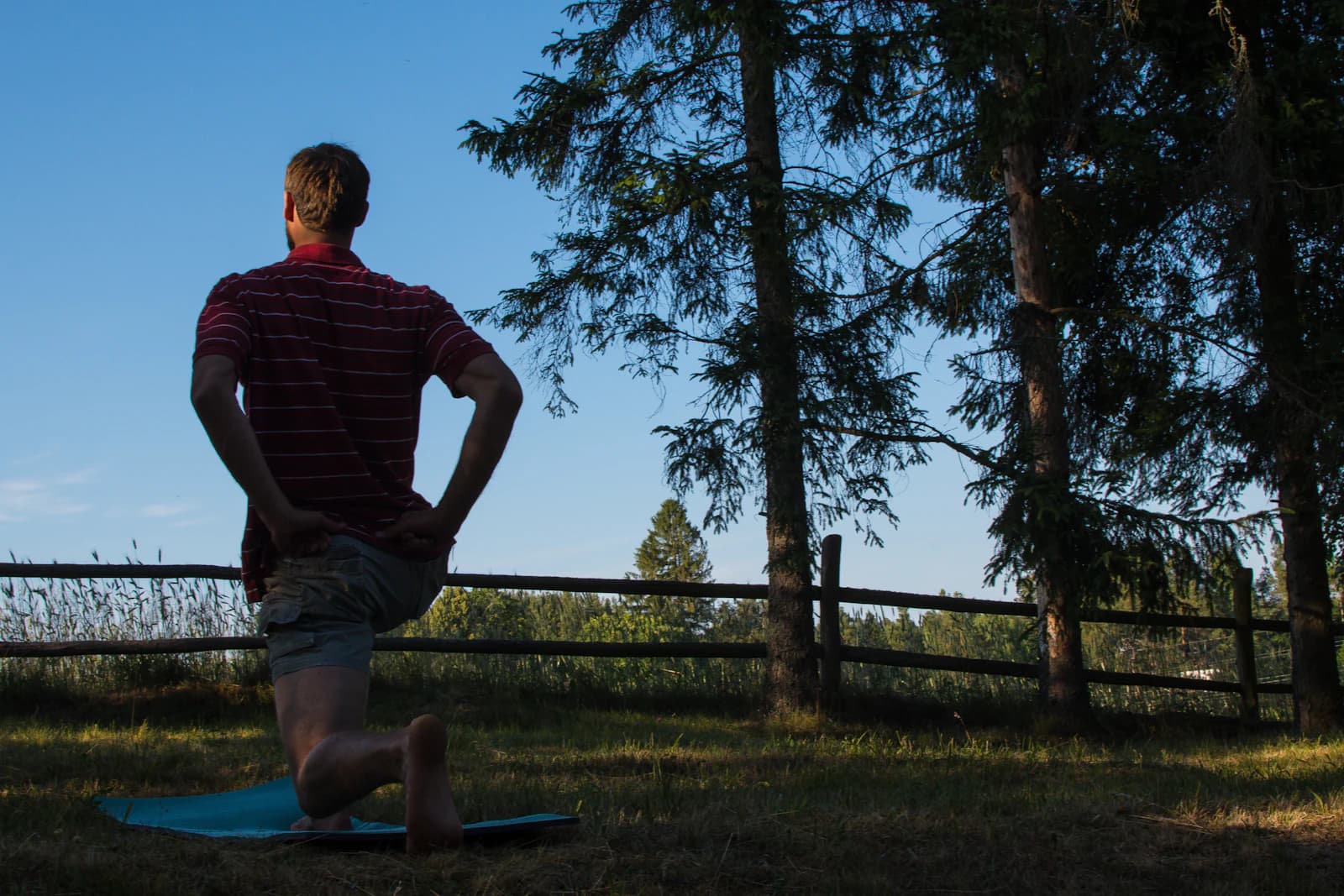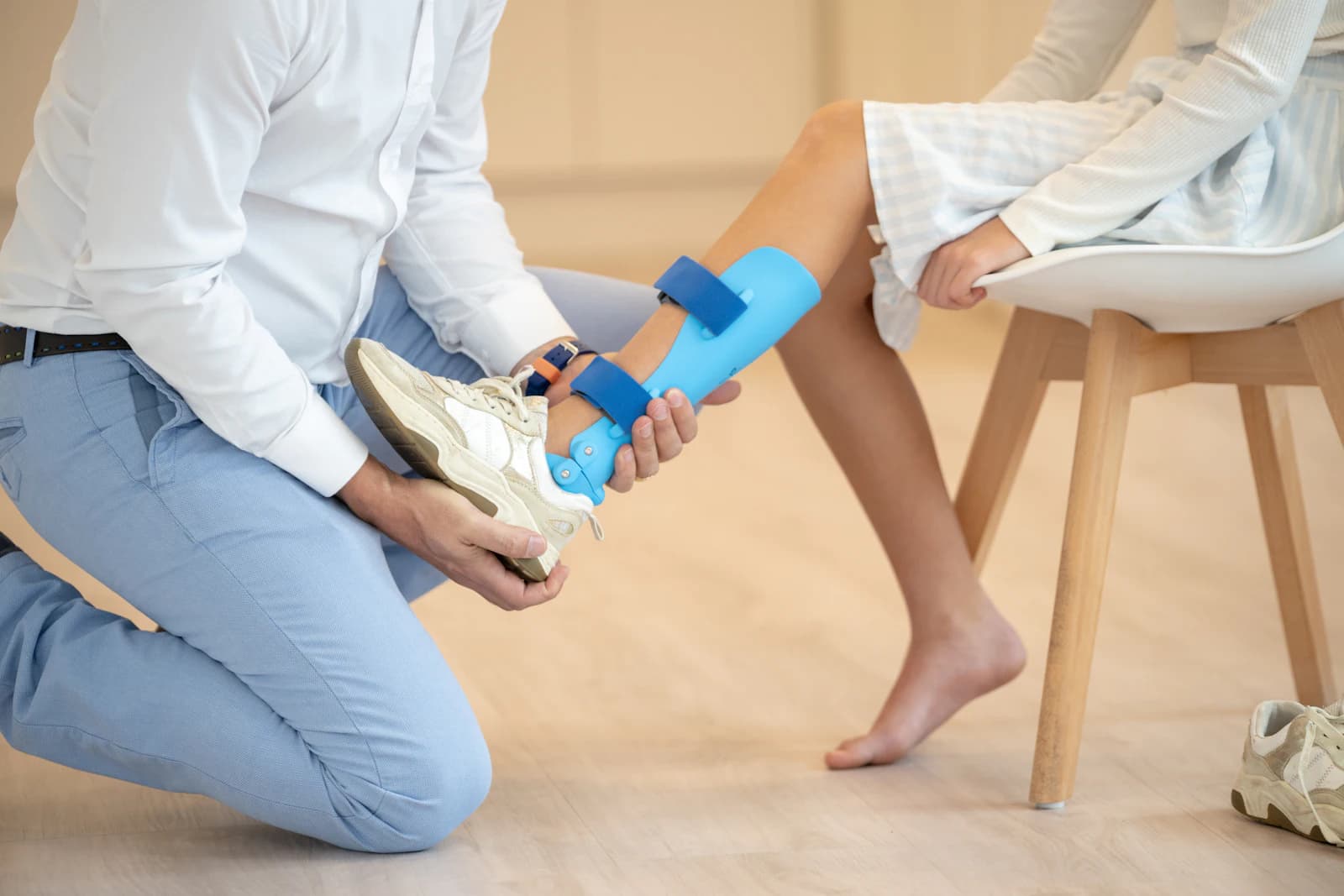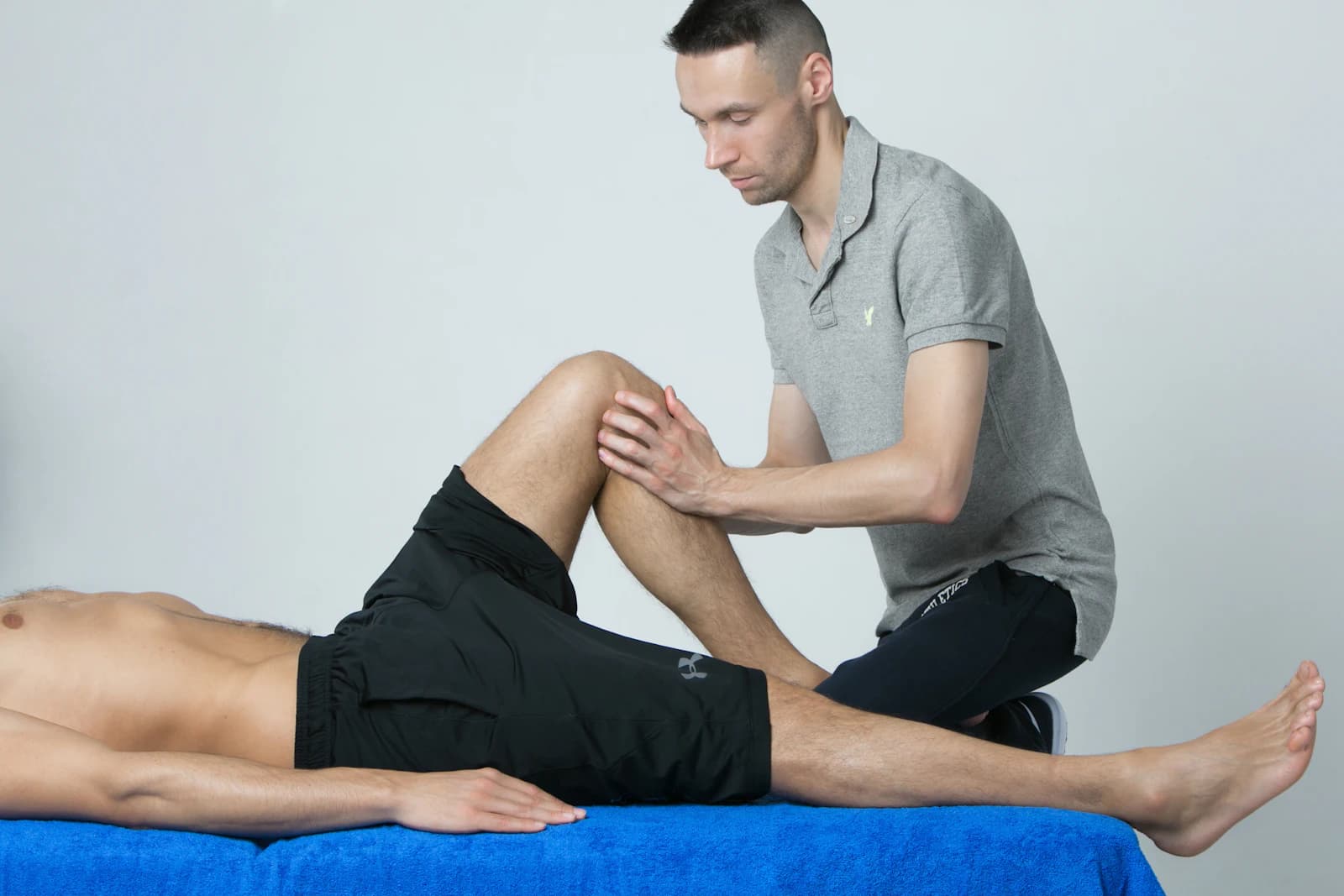
Why the feet stop reporting what the ground feels like, why balance falls apart before walking does, what targeted exercise can rebuild even in a partially damaged nerve, and the structured rehabilitation that takes a patient from cautious shuffling back to confident walking — from a physiotherapist who treats neuropathy in clinic and at home.
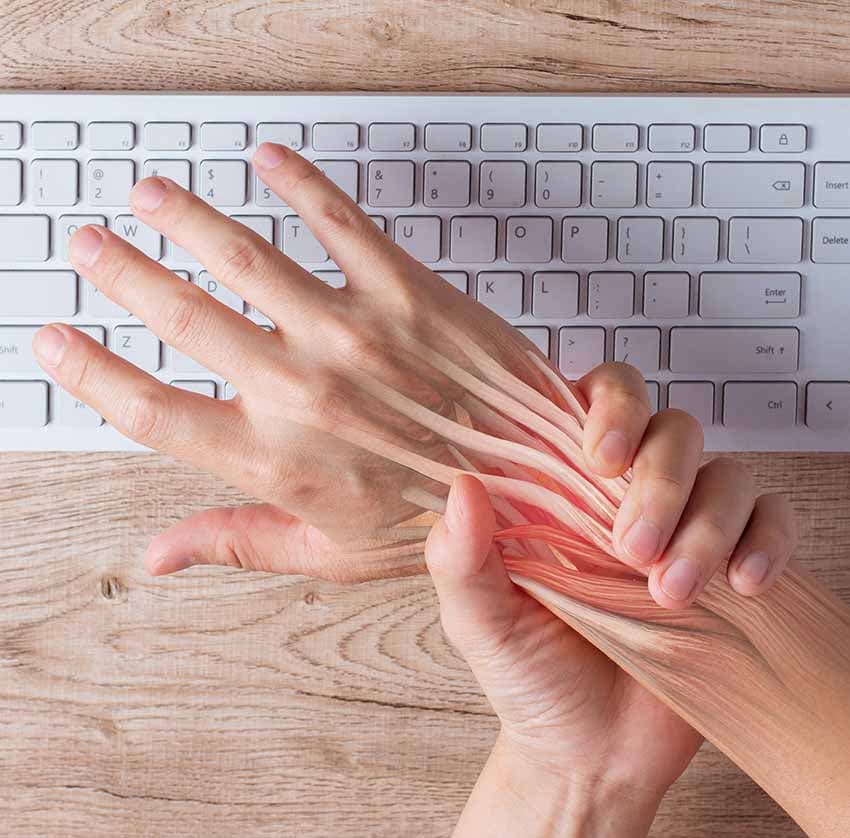
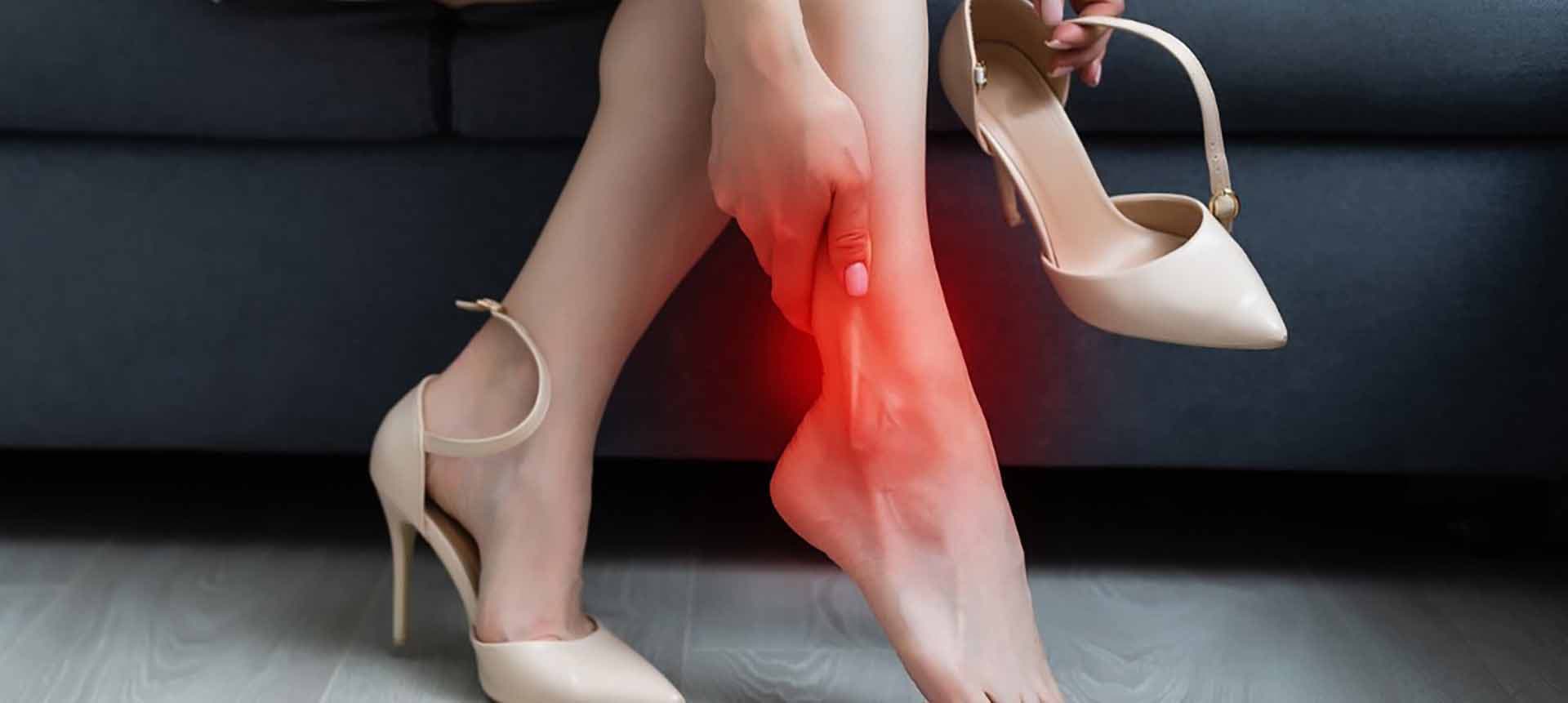
Peripheral neuropathy is one of those quiet conditions that changes a person's life without ever producing a single dramatic moment. There is no fall, no fracture, no sudden weakness — just a slow blurring of the signal that the feet send to the brain, and an equally slow erosion of the brain's ability to control the feet in return. Patients describe it as walking on a thin pillow, or on sand, or on a floor that is not quite where it should be. The hands eventually follow the feet, and tasks that require fine sensation — buttoning a shirt, turning a key, finding a coin in a pocket — become surprisingly difficult.
The condition has many causes: diabetes is the most common, but chemotherapy, vitamin B12 deficiency, chronic alcohol use, autoimmune disease, kidney disease, certain medications, and a stubborn category called idiopathic neuropathy (no identifiable cause) all produce a similar clinical picture. The medical management of each of these is different and belongs with the treating physician. But the rehabilitation — what we ask the nervous system, the muscles, and the balance system to do once nerve damage is established — is broadly the same, and it is here that physiotherapy makes the difference between a confident patient and a fearful one.
What Peripheral Neuropathy Actually Is
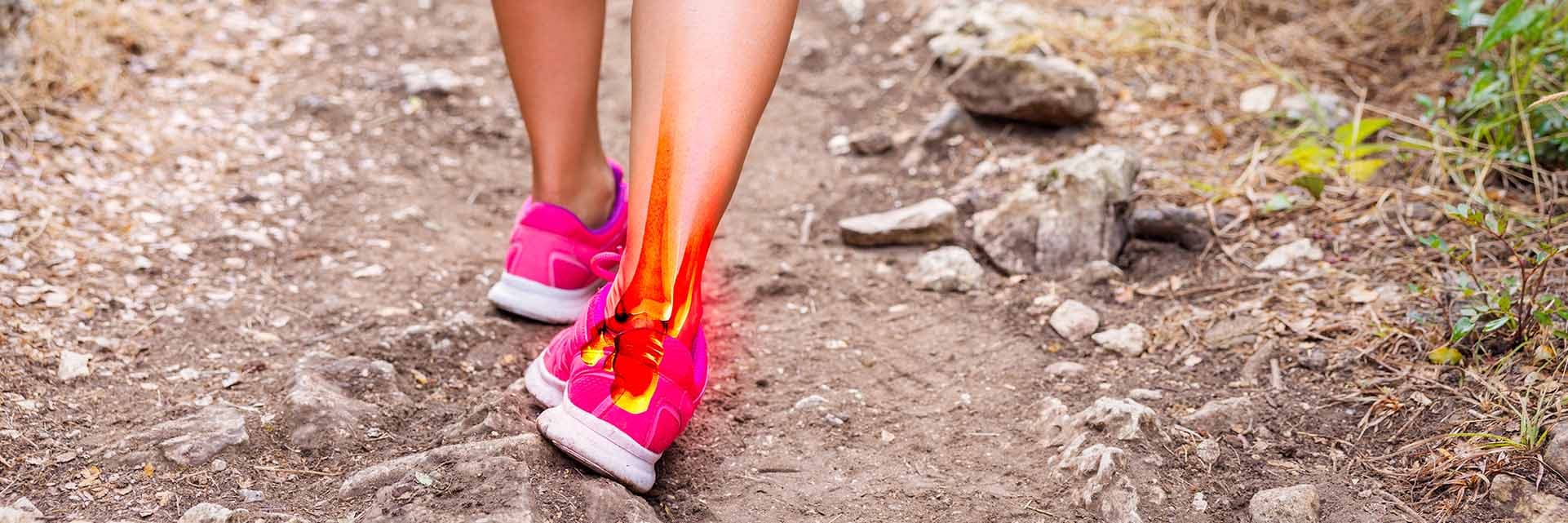
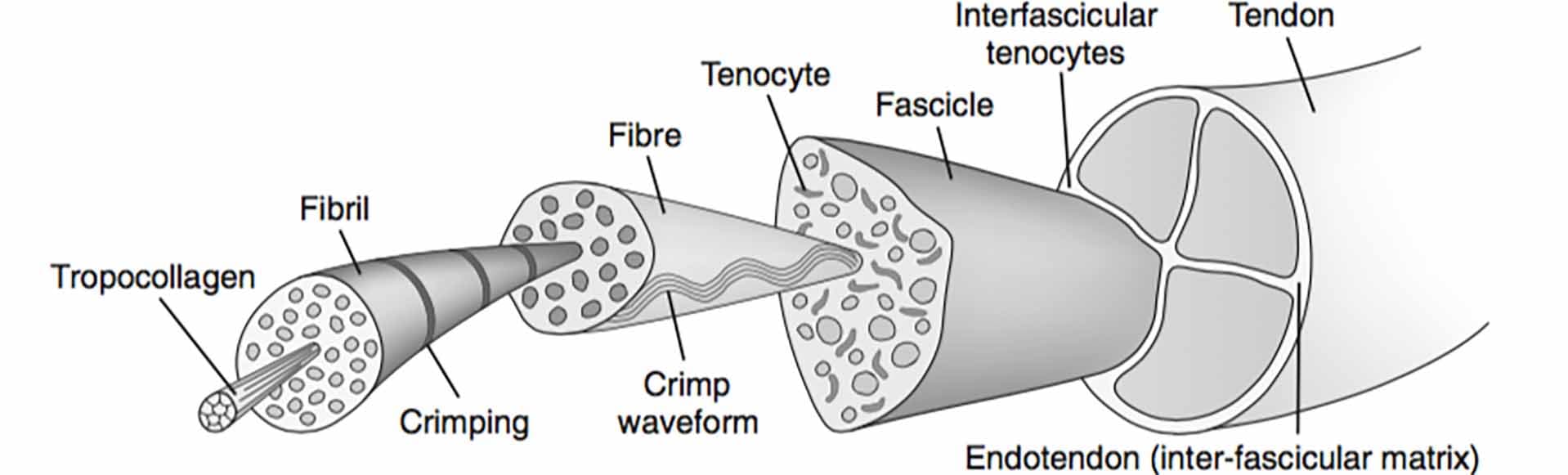
The peripheral nervous system is the cabling that connects the spinal cord to the muscles and skin of the limbs. It carries motor commands outward (move this muscle), sensory information inward (the ground is uneven, the coffee is hot, the foot is tilted), and autonomic signals in both directions (sweat, vasoconstrict, regulate blood flow). Damage to the long fibres of this system — typically the longest fibres first, which is why the feet usually go before the hands — produces the classic stocking-and-glove pattern of numbness, tingling, burning, or shooting pain, often accompanied by reduced ability to detect vibration, temperature, and joint position.
The functional consequence is two-fold. First, the brain receives less, and less accurate, information about where the feet are in space. Balance, which depends on the constant integration of vision, the inner ear, and proprioception from the feet and ankles, loses one of its three legs of support. Second, motor output begins to suffer too: the small muscles of the foot and ankle weaken, the toes lose their ability to grip the ground, and the protective reflexes that catch a slipping foot become slower and less reliable. The combination is what makes neuropathy a leading cause of falls in older adults.
Why Physiotherapy Matters in a Condition That Damages Nerves
The honest answer to the question "can physiotherapy fix the nerve" is: it depends on what is meant by fix. The damage to the long axons is not, in most cases, reversed by exercise. What exercise does — and the evidence here is now substantial — is improve how efficiently the remaining nerve fibres conduct, recruit alternative motor units to do the work of the lost ones, sharpen the brain's interpretation of the diminished signal, and rebuild the muscular and skeletal scaffolding that keeps the patient upright when proprioception fails. In a meaningful proportion of patients, especially those with diabetic and chemotherapy-induced neuropathy, sensory symptoms also improve with consistent exercise, probably through a combination of better local blood flow and neuroplastic reorganisation in the somatosensory cortex.
The point is that physiotherapy does not chase the nerve. It rebuilds the system around the nerve so that the patient can function, move, and remain independent regardless of how much of the original signal returns.
Sensory Retraining: Teaching the Brain to Listen Harder
Sensory retraining is the part of neuropathy rehabilitation that most patients have never heard of, and it is also the part that surprises them most when it begins to work. The principle is that the brain can be trained to extract more information from a weakened signal — the same way a hearing-impaired person learns to fill in missing speech from context. In practice, the patient performs short, focused sessions of attention to the feet: identifying textures under the soles, distinguishing warm from cool, tracking the position of a toe with the eyes closed, naming the contact pattern as the foot rolls through a step. These tasks, repeated over weeks, measurably improve the cortical representation of the foot and translate into better balance even when the nerve itself has not changed.
Balance Rehabilitation: Replacing What the Nerves Can No Longer Send
Balance is the headline problem in neuropathy. Patients describe a moment-to-moment uncertainty about where their feet are, particularly in dim light or on uneven ground, and they begin to avoid the very activities — walking outside, climbing stairs, turning while carrying things — that maintain the system that keeps them safe. The rehabilitation has to push back against that withdrawal.
A structured programme typically progresses through:
- Static balance with vision intact: standing on a firm surface, feet narrowed, holding light support, gradually reducing assistance.
- Static balance with vision challenged: eyes closed for short intervals, head turns, or visual targets that move, to force the system to rely on the ankle and hip strategies rather than vision.
- Dynamic balance: weight shifts, reaching tasks, single-leg stance, controlled forward and lateral stepping.
- Perturbation training: small, predictable pushes by the therapist that train the protective stepping reflex which is so often delayed in neuropathy.
- Real-world balance: outdoor walking on varied surfaces, dual-task walking (counting backwards while walking), and stair work.
The goal is not perfect balance — it is balance that is reliable enough for daily life, with a protective stepping reflex fast enough to catch a slip before it becomes a fall.
Strength and Gait: Rebuilding the Engine
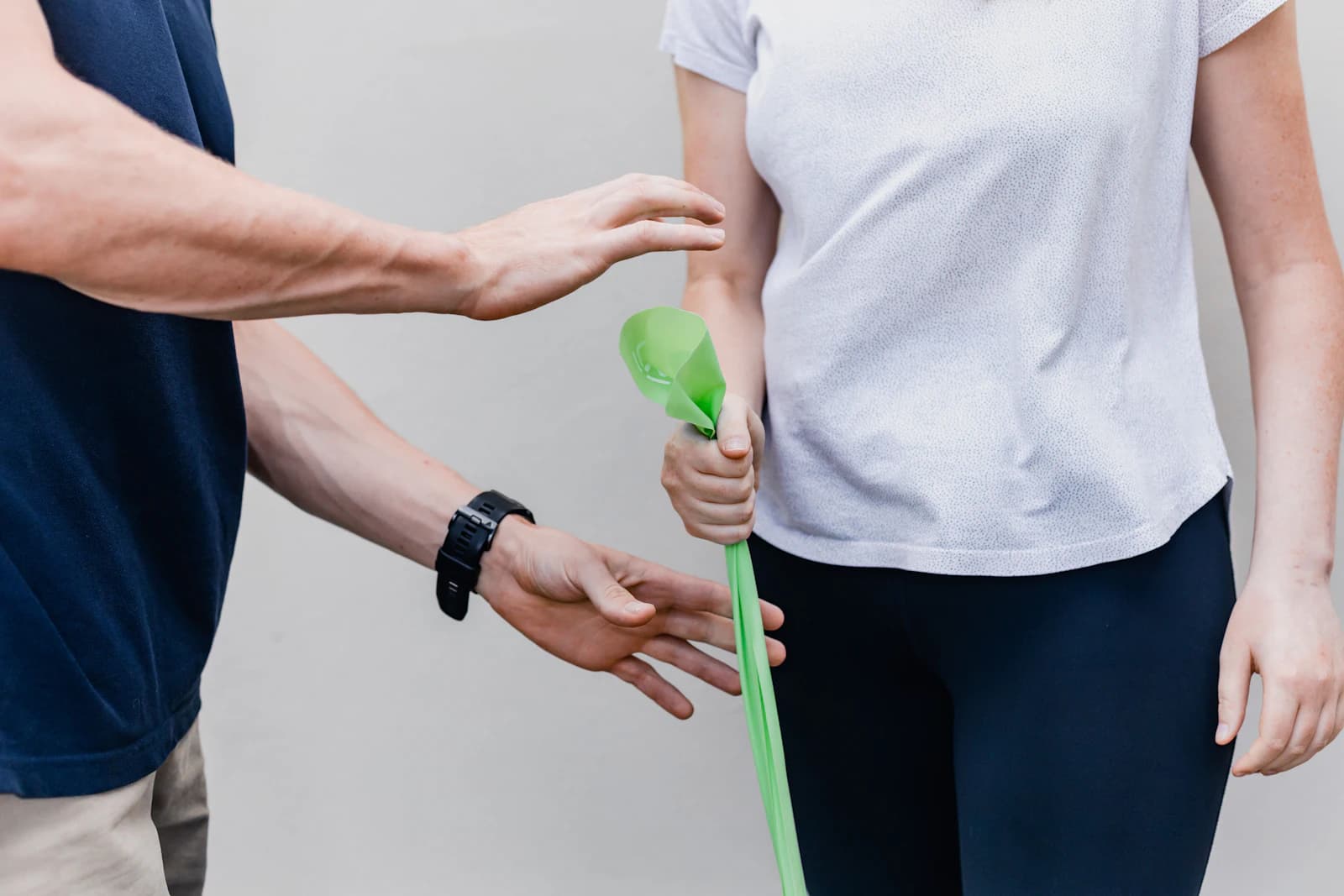
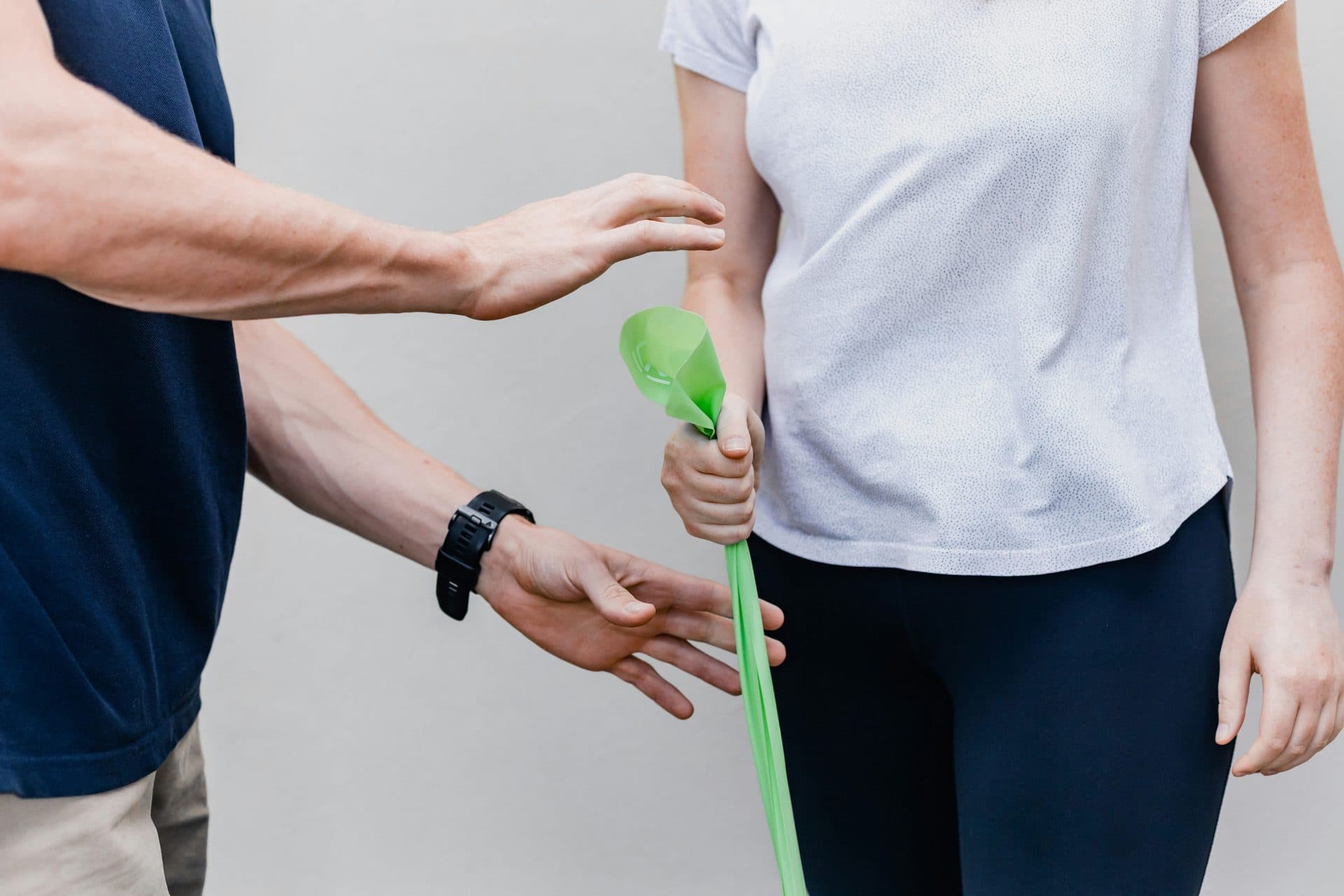
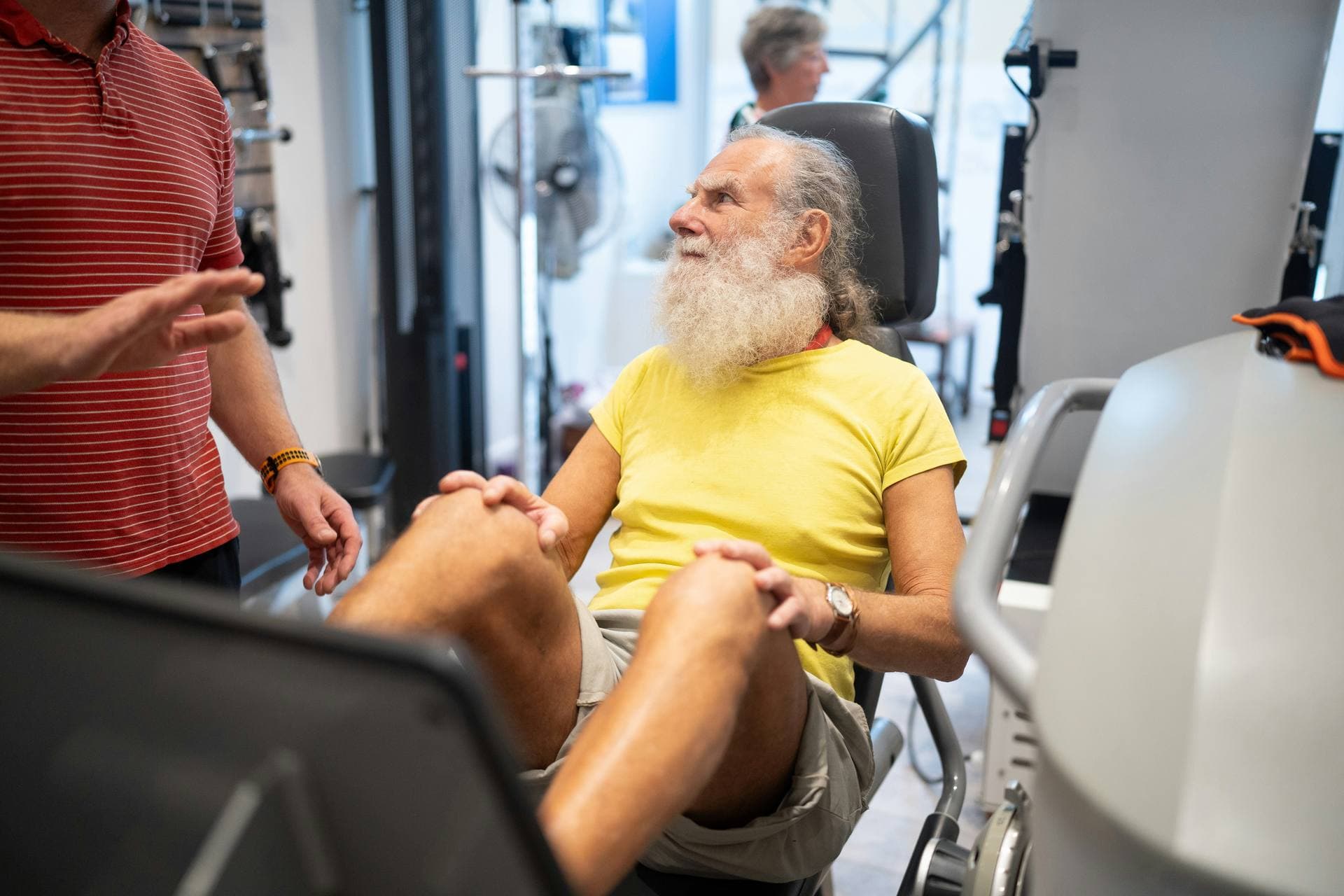
Neuropathic feet and calves lose strength quickly, and the loss is often invisible to the patient until the gait has already changed. The toes stop pushing off, the heel strike loses its precision, the step length shortens, and the patient adopts a flat-footed, cautious walk that itself increases fall risk. Targeted strengthening of the calf complex, the tibialis anterior, the small muscles of the foot, and the hip stabilisers reverses much of this. The work has to be progressive — light bands and bodyweight at first, then load — and it has to include closed-chain functional tasks (sit-to-stands, step-ups, controlled lunges) so that the strength shows up where it matters: in the gait cycle.
Footwear, Skin, and the Diabetic Foot
When the cause is diabetes, the rehabilitation has an additional layer: foot care. Reduced sensation means a stone in the shoe, a blister, or a small cut can go unnoticed until it has become a serious wound. Daily visual inspection of the soles, appropriate footwear with adequate depth and no internal seams, regular professional foot review, and immediate attention to any skin change are not optional extras — they are central to keeping the patient on their feet for the long term. The physiotherapist's role is to integrate this into the overall plan: choosing exercises that load the foot enough to maintain function without producing pressure injury, advising on footwear changes that improve gait without compromising skin, and watching for the early signs of plantar collapse that lead to Charcot changes.
A Structured Rehabilitation Pathway
Neuropathy rehabilitation is not a six-week problem. It is a long, layered process in which each phase consolidates the gains of the one before. The pathway most patients move through looks like this:
| Phase | Primary Goal | What the Patient Does |
|---|---|---|
| Weeks 1–3: Map the deficit | Document sensation, strength, balance and gait; build daily habits of foot inspection and home exercise | Short daily sensory drills, gentle ankle and toe mobility, supported static balance, walking diary |
| Weeks 3–8: Stabilise | Restore safe static and early dynamic balance, begin progressive strengthening | Single-leg stance progressions, calf and tibialis raises, sit-to-stands, controlled walking with cueing |
| Weeks 8–16: Challenge | Build dynamic balance, perturbation tolerance, and gait quality on varied surfaces | Outdoor walking on uneven ground, dual-task walking, step-ups and lateral stepping, perturbation drills |
| Months 4 and beyond: Maintain | Preserve gains long term, monitor the foot, and respond early to any new symptom | Two or three structured sessions per week of balance, strength and walking; periodic physiotherapy review |
The single most important detail in this pathway is that the work does not stop when the patient feels better. Neuropathy is a long-term condition, and the gains from rehabilitation depreciate quickly if the loading stops. A maintenance programme of two or three short sessions per week, kept up indefinitely, is what separates the patients who stay independent from those who drift back into a fall cycle.
What Family and Carers Can Do
Family members often want to help but do not know how. The most useful contributions are usually quiet ones: keeping the home environment uncluttered and well lit, removing loose rugs and trailing cables, ensuring a clear path from the bed to the bathroom for night-time walking, encouraging — without nagging — the daily home exercise routine, and noticing changes the patient may downplay. A partner who quietly says "you have been bumping into the door frame more this week" gives the clinician information that the patient may not have registered. And a family that walks alongside the patient on outdoor outings during the early dynamic-balance phase provides the safety net that allows the patient to push their limits without fear.
When to Seek Help
A new patch of numbness or burning that does not have an obvious cause, neuropathy that has progressed in spite of medical management, a recent fall or near-fall, a change in the foot shape, any skin wound that is not healing, increasing reliance on furniture for support while walking indoors, or a growing avoidance of activities the patient used to enjoy are all reasons to be assessed by a clinician. Earlier rehabilitation produces better outcomes — both because the balance and gait deficits are smaller, and because the secondary deconditioning has not yet set in.
Book a Peripheral Neuropathy Assessment
At PhysioDanali, we treat peripheral neuropathy with a structured programme of sensory retraining, progressive balance rehabilitation, targeted strengthening of the foot, calf and hip, gait work on varied surfaces, and education on foot care and home environment safety. We see patients in Voula, Glyfada, and Vouliagmeni, in clinic and at home, and we work alongside the patient's neurologist, endocrinologist, or oncologist where appropriate. For more on our home-based work, see our at-home physiotherapy page and our chiropractic and manual therapy page.
If the ground has started to feel uncertain under your feet, or a recent slip has shaken your confidence, book an assessment session. The sooner the rehabilitation begins, the more of your independence you keep.
Call PhysioDanali today to book your peripheral neuropathy assessment.
This article is informational and does not replace medical advice. Decisions about diagnosis, medication, and management of the underlying cause of neuropathy should be made with a qualified physician.