
Irritable Bowel Syndrome (IBS) and chronic constipation affect millions of people, often in ways that are invisible to others: abdominal pain, bloating, a feeling of heaviness, fatigue. Most patients look for solutions only in diet or medication — unaware that the musculoskeletal system and lymphatic circulation play an important role.
In this article we explain how specific physiotherapy approaches — principally Clinical Pilates and lymphatic drainage — can serve as a complementary tool in managing these conditions. This article is for informational purposes only and does not replace an individualised medical or physiotherapy assessment.
Why the "Core" Is About More Than Just Your Back
When we talk about core muscles, we usually think of spinal stabilisation and the prevention of lower back pain. What is often overlooked is that the core also includes the diaphragm, the oblique abdominal muscles and the pelvic floor — muscles that effectively "wrap around" the intestines on all sides.
When these muscles are hypertonic (tight), insufficiently activated or imbalanced, they can have a negative effect on:
- The motility of the large intestine
- The pressure within the abdominal cavity
- Diaphragmatic breathing, which naturally "massages" the intestines
- The sensation of bloating and discomfort
What Clinical Pilates Is and How It Differs
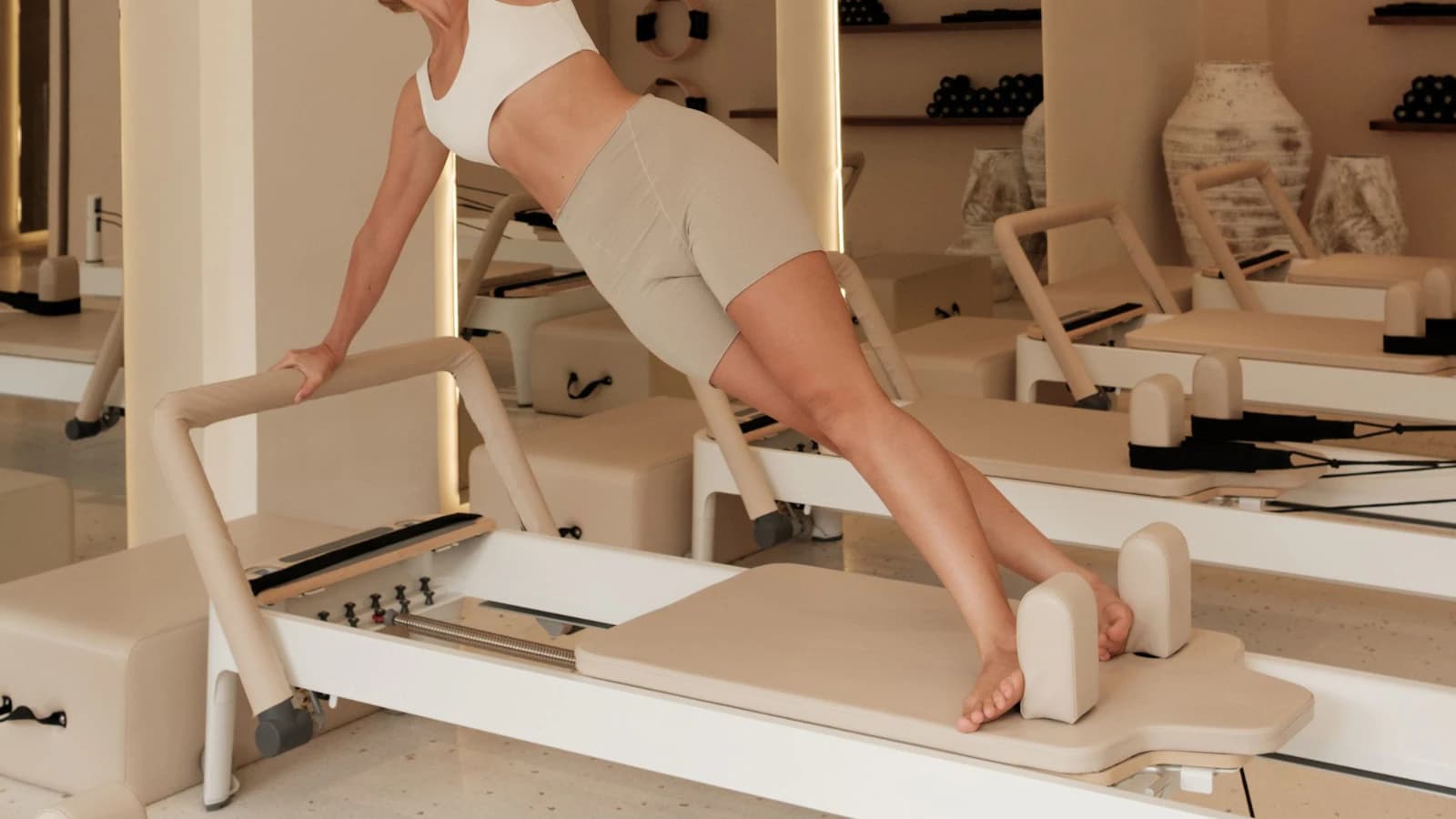
Clinical Pilates is not just another group exercise class. It is an individualised exercise programme designed by a physiotherapist, taking into account each patient's history, needs and goals.
In the context of bowel health, Clinical Pilates can focus on:
- Diaphragmatic breathing exercises for a natural "massage" of the intestines
- Trunk mobilisation using rotational movements that facilitate bowel motility
- Relaxation of hypertonic pelvic floor muscles, which are frequently associated with constipation
- Strengthening without increasing intra-abdominal pressure — important for those with a sensitive bowel
The Role of Lymphatic Drainage in Digestive Health
The lymphatic system is the body's "drainage network": it removes excess fluid, waste products and inflammatory substances from the tissues. In the abdominal region, a large part of the lymphatic network is directly connected to the digestive system — particularly in the absorption of fatty acids and the immune function of the gut.
Lymphatic drainage can help:
- Reduce the sensation of bloating and heaviness in the abdomen
- Stimulate bowel motility through gentle, rhythmic manual techniques
- Reduce localised inflammation that frequently accompanies IBS
- Calm the nervous system, which in turn has a beneficial effect on the "gut brain"
Please note: Lymphatic drainage to the abdominal area is always performed with extremely gentle pressure and is contraindicated in certain conditions. Always seek an assessment before beginning.
The Gut–Brain Axis: Why Stress "Settles" in the Abdomen
There is a two-way communication between the gut and the brain via the vagus nerve. This means that stress and psychological tension can worsen IBS symptoms — and conversely, abdominal discomfort affects mood and sleep.
Physiotherapy interventions that activate the parasympathetic nervous system — such as diaphragmatic breathing, the gentle techniques of lymphatic drainage and relaxing Pilates sequences — may contribute to regulating this axis.
This is not a "psychological" treatment, but a neurophysiological intervention that has an evidence-based foundation in research into chronic pain and functional gastrointestinal disorders.
Who Can Benefit — and Who Should See a Doctor First
The physiotherapy approach to IBS and constipation is complementary — not a substitute for medical care. It may typically benefit:
- Someone with a confirmed IBS diagnosis from a gastroenterologist who is seeking additional management tools
- Individuals with chronic constipation without an organic cause
- Women following vaginal birth or caesarean section who have pelvic floor dysfunction and bowel problems
- Individuals with co-existing musculoskeletal problems (e.g. lower back pain) and bowel dysfunction
A medical assessment is required first if you notice: blood in your stools, sudden weight loss, fever, or severe pain that is worsening. These symptoms require prompt medical attention.
How the Assessment and Programme Work
Every case begins with a detailed assessment: medical history, evaluation of breathing, abdominal and pelvic floor tone, and posture. The programme may then combine:
- Individual Clinical Pilates sessions with an emphasis on the diaphragm and trunk mobility
- Lymphatic drainage to the abdominal and lumbar region
- Guidance on exercises you can perform at home
- Recommendations regarding ergonomics and daily habits that affect bowel function
For those who find it difficult to travel, home physiotherapy is an ideal option — particularly in areas such as Voula, Vouliagmeni, Vari, Glyfada and Alimos.
Simple Exercises You Can Try Today
Before starting any programme, consult a physiotherapist for individualised guidance. However, certain general movements are generally considered safe for healthy adults:
- **Diaphragmatic breathing lying down**: Lie on your back and place one hand on your abdomen. Breathe in slowly through your nose, allowing your abdomen to rise — then breathe out in a controlled manner. 5–10 minutes daily.
- **Knees to chest**: Lying down, bring both knees up and hug them gently. Hold for 20–30 seconds. Helps to relax the lower back and abdomen.
- **Seated trunk rotations**: Slow, controlled rotations to the right and left stimulate spinal mobility and indirectly support bowel function.
- **Walking**: Simple but effective — 20–30 minutes daily significantly improves bowel motility.
Physiotherapy as Part of a Holistic Approach
Optimal management of IBS and chronic constipation usually requires a team effort: a gastroenterologist to rule out an organic cause, a dietitian to adapt the diet, and a physiotherapist to address the musculoskeletal and neurological factors.
Chiropractic care may also contribute in certain cases, particularly where spinal dysfunction is affecting the nerve supply to the abdominal region — always following an appropriate assessment.
If you would like to explore whether this approach is right for you, you are welcome to contact us for an initial assessment. We provide home visit services in Voula, Vouliagmeni, Vari, Glyfada and Alimos, so that you can receive care in the comfort of your own home.