
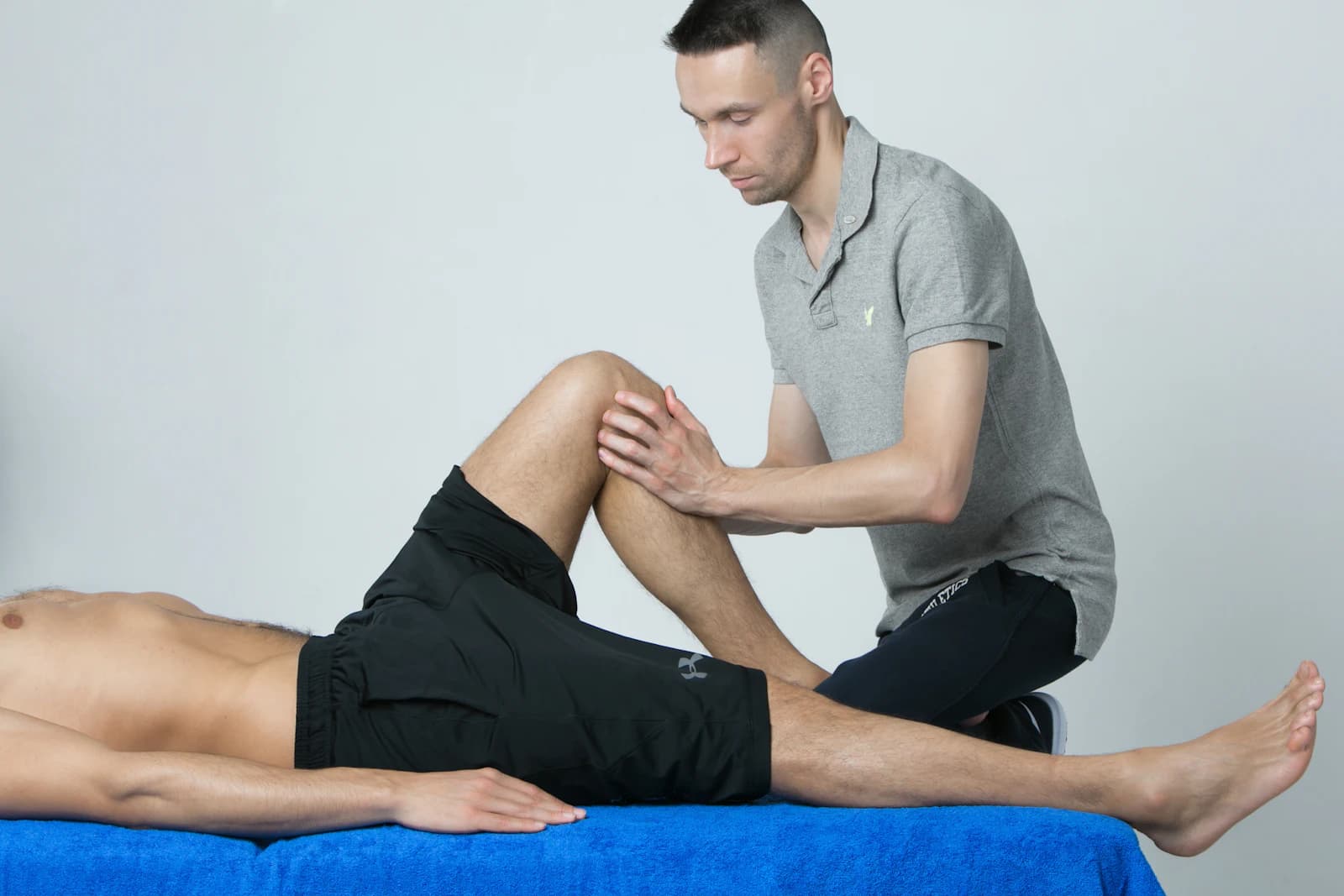
How many times have you woken up feeling as though your neck is a slab of concrete, or that your shoulders are carrying an invisible weight? Muscle tension is one of the most common reasons people visit a physiotherapist — and it is frequently overlooked or wrongly dismissed as "stress" that will simply pass on its own.
In this article we explain, in plain language, what happens in the body when muscles "tighten", why that tightness can become chronic, and which approaches in modern physiotherapy can help — often far more quickly than you might expect.
What Muscle Tension Really Is — Beyond the "Knot"
When a muscle contracts to move or stabilise part of the body and then fails to relax fully, what we call increased muscle tone or chronic muscle tension develops. This condition is not the same as a muscle spasm — a spasm is sudden and intense, whereas chronic tension is more "silent" but persistent.
The most commonly affected areas are: • Neck and base of the skull • Upper trapezius (shoulders) • Lumbar spine • Gluteal muscles and the back of the thigh • Jaw muscles (often linked to stress)
Prolonged muscle tension reduces blood flow to the tissue, causes a build-up of metabolic waste products, and, if left untreated, can lead to trigger points — the familiar "knots" that are painful and refer pain to distant areas.
Why Muscles Don't Relax on Their Own
Muscle tension rarely has a single cause. It is usually a combination of factors:
- Static postures held for many hours (working from home, driving, looking at a phone)
- Psychological stress — the nervous system keeps muscles in a state of tension even when there is no physical threat
- Muscle imbalances — some muscles overwork because others are weak
- Inadequate sleep or recovery
- Old injuries that were not fully rehabilitated
When these factors combine, the muscle is "trained" to remain in a state of readiness. The brain comes to regard this as normal, and external intervention is often needed to help it "unlearn" this pattern. This is one of the reasons why simple rest or self-massage is not enough.
How to Tell Whether You Have Chronic Muscle Tension
Symptoms can vary from person to person, but the most common include:
- A recurring feeling of heaviness or tightness in the neck, shoulders, or back
- Headaches that originate in the neck or shoulders
- Reduced range of movement (difficulty turning your head comfortably)
- Muscle fatigue without intense physical activity
- Pain that worsens after a long period in the same position
- Tenderness to touch at specific points
If you recognise two or more of these, it is worth seeking an assessment from a physiotherapist. Only through an individualised evaluation can the underlying cause be identified and an appropriate programme be designed.
Physiotherapy Techniques for Muscle Tension
Modern physiotherapy has many tools for addressing chronic muscle tension. The physiotherapist selects a combination of techniques based on the findings of the assessment:
- Myofascial release — gentle pressure applied to muscle tissue to restore fascial mobility
- Trigger point therapy — targeted pressure on "knots" to break the tension–pain cycle
- Manual mobilisation techniques — improving joint mobility to reduce the load on muscles. Learn more about the chiropractic approach.
- Electrotherapy and TECAR — reduce pain and improve blood flow to the tissue
- Diaphragmatic breathing — regulates the nervous system and directly lowers muscle tone
- Therapeutic exercise — strengthens weak muscles so that overloaded ones can "let go" of their work
The Role of Clinical Pilates in Relieving Muscle Tension
Many patients with chronic muscle tension in the lumbar spine or neck benefit considerably from Clinical Pilates. This is an individualised, therapeutic form of exercise — very different from a gym workout — that focuses on deep spinal stabilisation.
When the deep stabilising muscles are activated correctly, the superficial "protective" muscles that hold tension can finally relax. This does not happen in a single session, but through a gradual programme that the physiotherapist designs and supervises. The result is typically less pain, improved posture, and greater ease of movement in daily life.
Home Physiotherapy as a Solution for Those Who Find It Difficult to Travel
For many people — particularly those with severe tension and restricted mobility — the journey to an appointment itself becomes painful. This is where home physiotherapy offers genuine relief: the physiotherapist comes to your home and applies all of the above techniques in the environment where you feel safe and comfortable.
In areas such as Voula, Vouliagmeni, Vari, Glyfada, and Alimos, PhysioDanali provides exactly this service — minimising inconvenience and maximising effectiveness. A personalised home assessment also makes it possible to identify ergonomic issues in your environment that may be fuelling the muscle tension.
What You Can Do Yourself — and What You Cannot
Certain habits can help alongside physiotherapy:
- Short mobility breaks every 45–60 minutes during work
- Diaphragmatic breathing for 2–3 minutes before bed
- A warm bath or heat pack on tense areas for symptom relief
- Mindfulness of your posture while driving and using your phone
However, self-massage or random exercises found online are no substitute for treatment — they may in fact make things worse if a proper assessment has not been carried out. If tension returns frequently or is accompanied by numbness, weakness, or severe pain, professional advice is essential.
For those who also experience pain in the cervical spine, you may find our article on cervicogenic headache useful, as this is often directly linked to muscle tension in the neck.
When to Book an Appointment
Don't wait until the tension becomes unbearable. The earlier it is addressed, the fewer sessions are usually needed and the lower the risk of it becoming a chronic problem.
If: • The tension has persisted for more than 2 weeks • It is accompanied by headaches, numbness, or a burning sensation • It is affecting your sleep or your productivity
…then it is time for an assessment. Contact us to book your appointment — at home or at the clinic.