
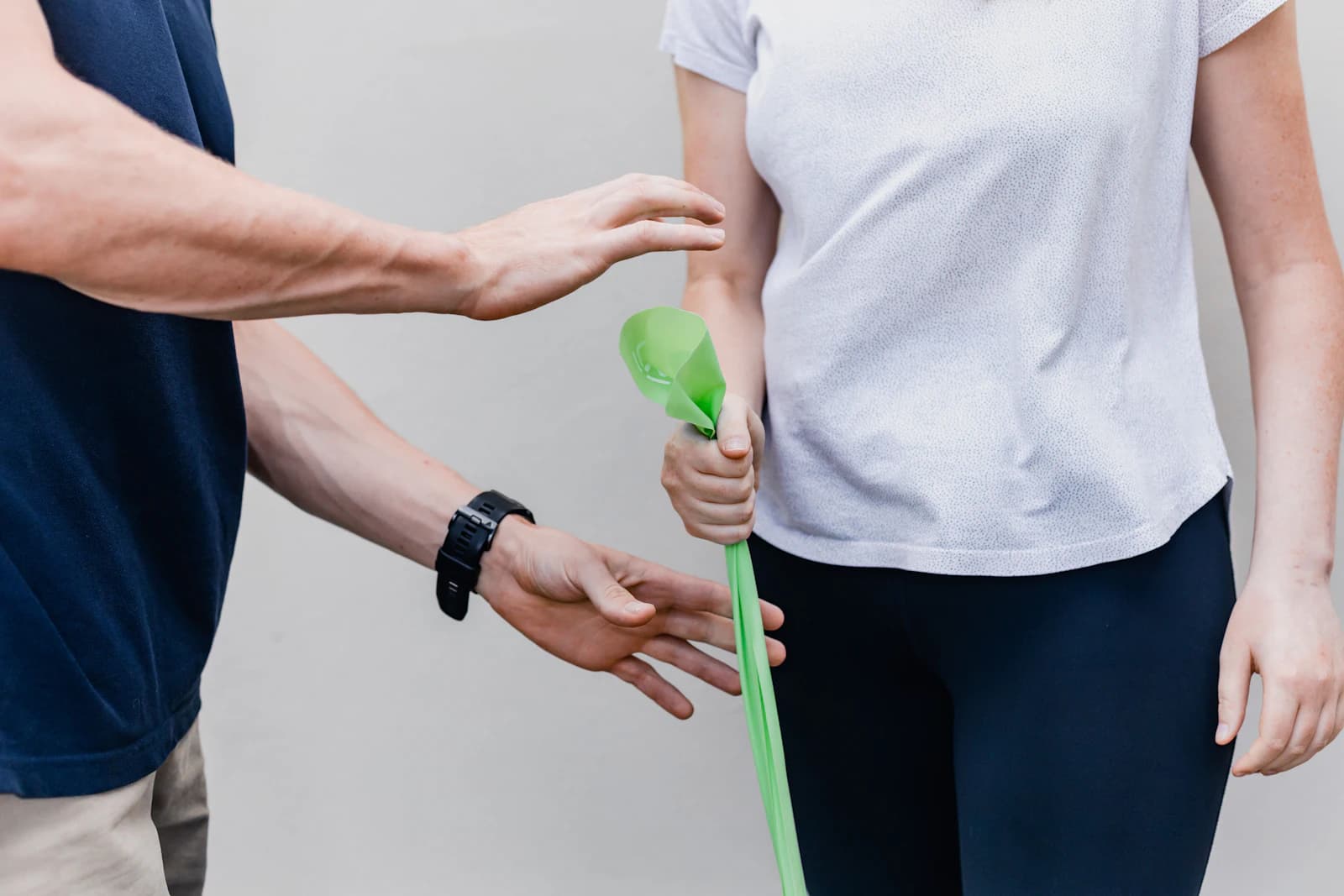
After surgery — whether orthopaedic, cardiac, or vascular — the body needs time and the right support to regain its function. Physiotherapy does not begin when you "feel ready"; in most cases, the sooner a structured rehabilitation programme starts, the better the outcomes.
This article is not a substitute for a personalised assessment by your surgeon or physiotherapist. Its aim is to help you understand what to expect from post-operative physiotherapy, so that you can take an active role in your own recovery.
Why Post-Operative Physiotherapy Matters So Much
After an operation, the body is in a state of inflammation and tissue repair. Immobility, even for just a few days, can lead to muscle weakness, joint stiffness, and reduced circulation — all of which slow recovery down.
Post-operative physiotherapy aims to:
- Reduce pain and swelling using gentle techniques and technologies
- Gradually restore the range of movement in the affected area
- Strengthen the muscles that have weakened as a result of the operation or immobility
- Educate you in correct movement and posture to prevent complications
- Support a safe return to daily activities — work, walking, and exercise
When Does Rehabilitation Begin?
The answer depends on the type of operation and your surgeon's instructions, but generally:
- For orthopaedic procedures (knee, hip, shoulder): rehabilitation often begins while you are still in hospital, with gentle exercises and gait training
- For abdominal or thoracic procedures: the initial focus is on respiratory physiotherapy and controlled mobilisation
- For neurological or vascular procedures: rehabilitation requires a more personalised programme delivered by a specialist therapist
In most cases, post-operative physiotherapy can begin within the first one to two weeks after surgery — and in your own home, without the need to travel.
What a Typical Post-Operative Rehabilitation Programme Includes
Every case is different, but a comprehensive programme usually includes:
- Assessment: the physiotherapist evaluates your pain, swelling, range of movement, and muscle strength
- Manual therapy techniques: gentle joint mobilisation and soft tissue release to reduce stiffness
- Therapeutic exercise: a personalised exercise programme that progresses gradually in line with your recovery
- Lymphatic drainage: where post-operative swelling is present, lymphatic drainage can significantly speed up its resolution
- Patient education: correct resting positions, lifting technique, and use of walking aids where needed
- Clinical Pilates: at more advanced stages, Clinical Pilates can help restore core strength and stability
Why Home Physiotherapy Is Ideal After Surgery
Immediately after an operation, travelling to a clinic can be exhausting, painful, or even impossible. Home physiotherapy offers significant advantages:
- Comfort and safety: you receive treatment in familiar surroundings, without the fatigue of travelling
- Personalisation: the therapist sees your actual living space and can adapt the exercises to the conditions of your home
- Continuity of care: sessions take place regularly, without being missed due to the difficulty of getting around
- Family education: the therapist can show your loved ones how to assist you correctly
For patients in Voula, Vouliagmeni, Vari, Glyfada, and Alimos, a home visit means rehabilitation begins without delay and without any added burden.
Post-Operative Rehabilitation by Type of Procedure
Below are some of the most common scenarios:
- Total knee or hip replacement: focus on restoring range of movement, strengthening the quadriceps and gluteal muscles, and re-educating walking pattern
- Shoulder procedures (rotator cuff tear, SLAP repair): progressive mobilisation within the surgical limits, strengthening of the rotator cuff muscles
- Spinal decompression (for disc herniation or stenosis): restoration of trunk stability and education in correct spinal mechanics
- Caesarean section: rehabilitation of the abdominal muscles, scar therapy, and treatment of rectus abdominis diastasis — a specialist area requiring a dedicated approach
- Cardiothoracic procedures: respiratory physiotherapy and a gradual return to aerobic activity
Signs That Your Programme Needs to Be Reviewed
During post-operative rehabilitation, it is important to monitor your progress. Speak to your therapist if you notice:
- An increase in pain or swelling rather than improvement
- Redness, warmth, or discharge around the incision site (contact your surgeon immediately)
- Worsening numbness or tingling sensations
- An inability to carry out the agreed exercises without excessive pain
Post-operative rehabilitation is not a linear process — good days and difficult days are perfectly normal. The goal is for the overall trend to be an upward one.
How Many Sessions Are Needed?
There is no universal answer, as it depends on:
- The type and extent of the procedure
- The patient's age and general physical condition
- The presence of co-existing conditions (e.g. diabetes, osteoporosis)
- The level of engagement and consistency with the home exercise programme
As a general guide, minor procedures may require 8–12 sessions, whilst more complex ones (e.g. total joint replacement) may need 3–6 months of structured rehabilitation. Your physiotherapist will give you realistic estimates following the initial assessment.
How to Prepare for Post-Operative Physiotherapy
You can begin preparing even before your operation:
- Ask your surgeon about the movement restrictions you will have after the procedure
- Arrange your physiotherapist in advance so that rehabilitation can begin early
- Prepare your home environment: remove obstacles and ensure comfortable access to the bathroom
- Learn the basic exercises beforehand if you are permitted to — "prehabilitation" has been shown to be beneficial
- Arrange support from those close to you for the first few days
If you have any questions or would like to book an appointment for post-operative home rehabilitation, contact us. We serve Voula, Vouliagmeni, Vari, Glyfada, and Alimos.