
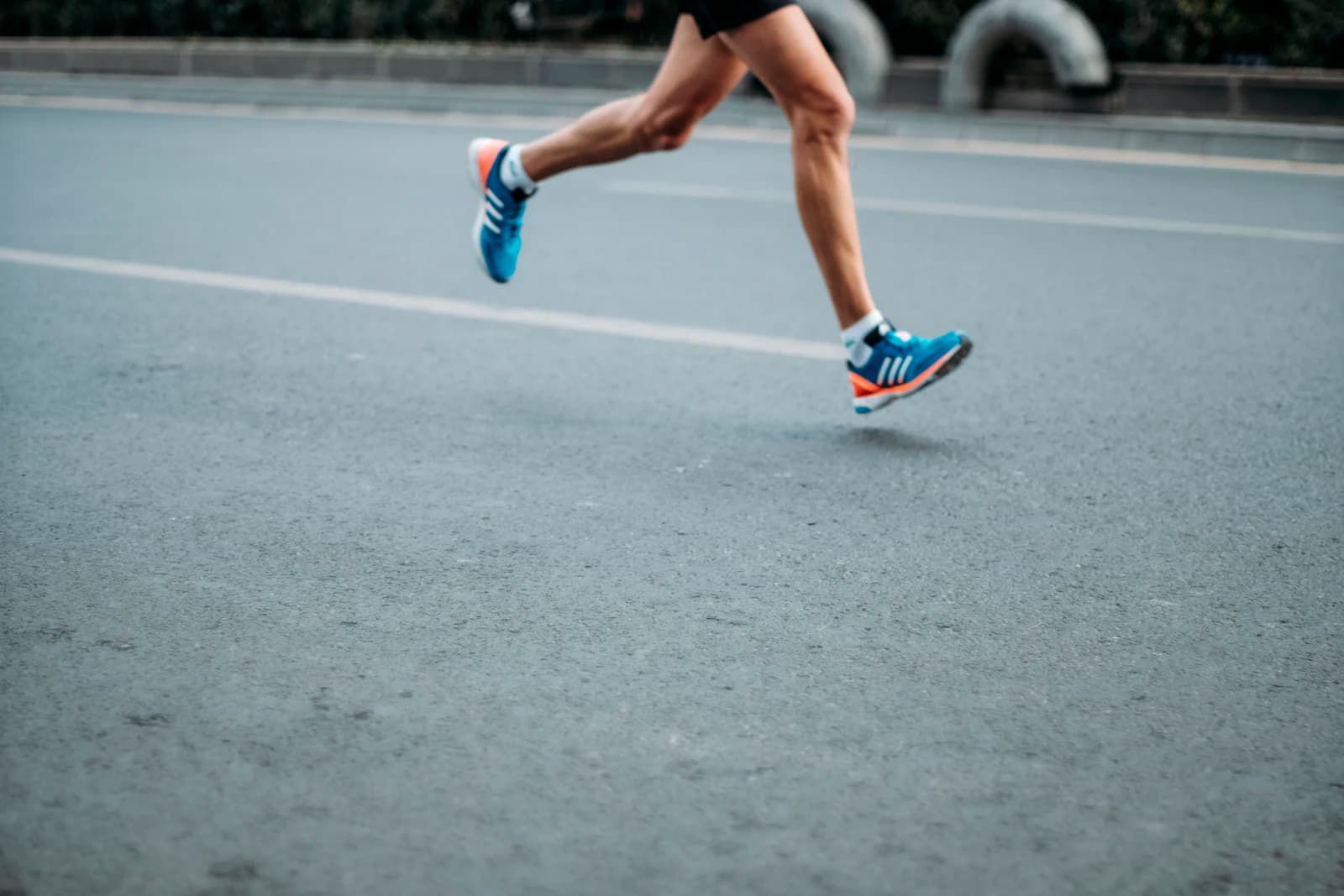
Do you feel a sharp, burning pain on the outer side of your knee that always appears at the same point in your run and forces you to stop? If so, you may have what is known as iliotibial band syndrome — or IT Band Syndrome, as it is widely called.
It is one of the most common causes of knee pain in runners, but it also occurs in cyclists, hikers, and even people who lead a sedentary lifestyle. The good news is that in most cases it can be managed effectively without surgery.
What is the iliotibial band?
The iliotibial band (IT Band) is a thick strip of connective tissue that runs from the outer hip along the thigh and attaches to the outer surface of the shin, just below the knee.
It plays an important role: it stabilises the knee during movement, particularly during repetitive activities such as running. However, when there is overload, a muscle strength imbalance, or faulty movement mechanics, the band can become irritated where it "rubs" over the outer part of the knee (the lateral epicondyle).
What are the characteristic symptoms?
IT Band Syndrome has several distinctive features that set it apart from other knee conditions:
- Sharp or burning pain on the outer side of the knee, often precisely at the level of the lateral epicondyle.
- Pain typically appears after a specific running distance (e.g. after 5–6 km) and eases with rest.
- A sensation of "clicking" or friction in the knee during bending.
- Pain when going down stairs or descending a slope.
- Possible tenderness to touch along the length of the band.
Important: these symptoms can resemble those of other conditions (e.g. meniscus pain or sciatica). An assessment by a physiotherapist is essential for an accurate diagnosis.
Why does it develop? The most common causes
The syndrome is usually not caused by a single injury, but by accumulated overload. Some of the most common causes include:
- A sudden increase in training load (mileage, speed, uneven terrain).
- Weak hip abductors (gluteus medius) — the muscle that keeps the knee aligned during the stance phase.
- Tight thigh or hip muscles that increase tension in the band.
- Faulty running biomechanics, e.g. excessive crossover step or excessive overpronation.
- Running on cambered or uneven surfaces.
- Inappropriate footwear for the foot type.
How does physiotherapy treat IT Band Syndrome?
Physiotherapy is the first-line treatment and aims both to relieve pain and to address the underlying causes that led to the problem.
In the acute phase, the physiotherapist may use techniques to reduce irritation, such as soft tissue massage, trigger point therapy on the tendinous tissue, and the application of TECAR or other electrotherapy.
The main treatment programme then typically includes:
- Strengthening of the gluteus medius and hip abductors.
- Stretching and mobility techniques for the hip and thigh.
- Analysis and correction of running biomechanics.
- A gradual return to activity with controlled training load.
- Education on preventing recurrence.
With home physiotherapy, this entire process can take place in your own home, with a personalised programme adapted to your equipment and abilities.
The role of Clinical Pilates in rehabilitation
Clinical Pilates is an ideal complementary therapy for IT Band Syndrome, particularly during the rehabilitation and relapse-prevention phase.
Through guided exercises, we focus on improving pelvic and hip stabilisation — which is often the "weak link" in runners with IT Band Syndrome. Developing awareness of correct movement mechanics and body control during exercise can make a significant difference to long-term outcomes.
Unlike a gym setting, Clinical Pilates is supervised by a trained physiotherapist who ensures that every exercise is performed at the appropriate intensity for your stage of recovery.
What you should NOT do if you suspect IT Band Syndrome
There are some common misconceptions that can slow down recovery:
- Continuing to run "through the pain" — this worsens the irritation.
- Focusing solely on foam rolling the band without addressing the underlying cause.
- Waiting for it to resolve on its own without treatment — without addressing the weak muscles, the pain usually returns.
- Skipping a proper assessment and following random online protocols without personalisation.
If you also have pain in the hip or along the leg, there may be concurrent hip involvement — find out more in our guide on hip pain.
When can recovery be expected?
The duration of recovery depends on the severity of the irritation, how long the pain has been present, and how quickly the underlying causes are addressed.
In mild cases, many patients notice significant improvement within 4–6 weeks with consistent treatment. In more prolonged or recurrent cases, rehabilitation may take 8–12 weeks or longer.
The key is not only to eliminate pain, but to achieve adequate muscle strength and neuromuscular control so that you can return to running safely — and not find yourself back in the same position a few months later.
For sports injuries, also read about how home physiotherapy speeds up your return to action.
Home physiotherapy: the ideal choice for runners
If you are an active runner in Voula, Vouliagmeni, Vari, Glyfada, or Alimos, home physiotherapy offers a practical solution: you avoid travelling when knee pain makes walking or driving difficult, and you receive personalised care in the comfort of your own environment.
In addition, the physiotherapist can observe your home setting, your footwear, and even the way you perform your exercises at home first-hand — all of which is valuable information for tailoring your treatment.
If you would like to get started, contact us for an initial assessment.
*Note: This article is for informational purposes only and does not replace a personalised assessment by a licensed healthcare professional.*