
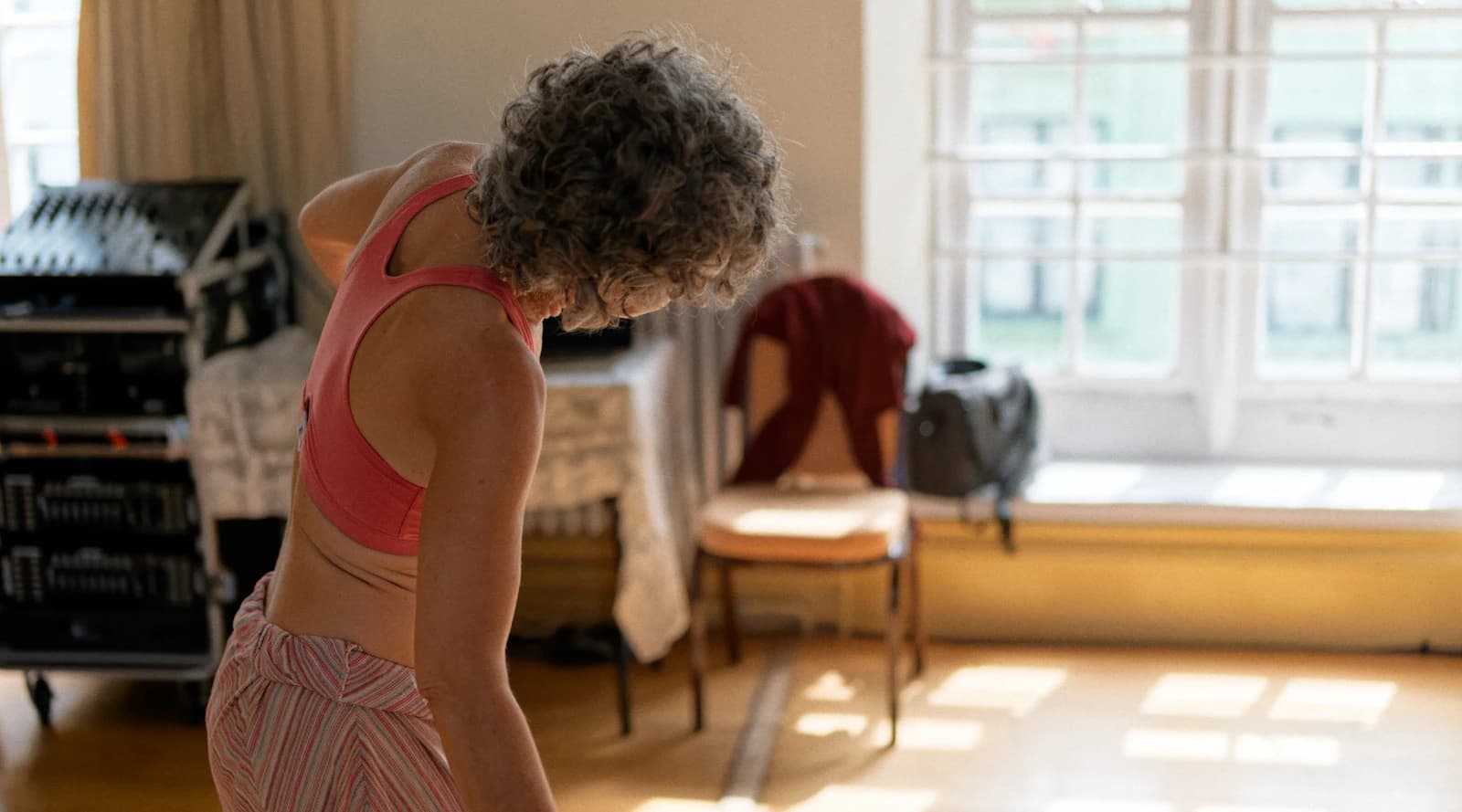
Osteoporosis is a condition that affects millions of people worldwide, and it is often discovered by chance — or worse, following a fracture. Many patients who receive this diagnosis feel uncertain and afraid to move. However, the science is clear: properly guided physiotherapy and exercise are among the most effective tools we have for managing osteoporosis.
This article is aimed at those who have received a diagnosis of osteoporosis or osteopenia, people with a family history of the condition, and anyone who wishes to prevent bone loss. It is not a substitute for a personalised assessment by a specialist — but it gives you a clear picture of what physiotherapy can do for you.
What osteoporosis is and why it concerns all of us
Osteoporosis is characterised by reduced bone density and deterioration of the bone's internal structure, making bones more brittle and vulnerable to fractures — even from a minor fall or a sudden movement. The vertebrae, hip and wrist are the most commonly affected sites.
The condition is far more common after the menopause due to declining oestrogen levels, but it also affects older men, as well as younger people with risk factors (low calcium intake, a sedentary lifestyle, smoking, and long-term use of corticosteroids).
The good news: bone is living tissue. It responds to the mechanical forces placed upon it — and that is precisely what physiotherapy harnesses.
Why inactivity does more harm than you think
One of the most widespread mistakes made by people with osteoporosis is avoiding all forms of physical activity for fear of breaking a bone. In reality, inactivity accelerates bone loss and weakens muscles — thereby increasing the risk of falls.
A lack of movement also has a negative effect on: • Balance and coordination, which are critical for fall prevention • The sense of stability (proprioception) • Muscle strength, which acts as a protective shield for the bones • Posture and spinal alignment
The right question is not "should I move or not?" but rather "which movements are safe and beneficial for me?" — and this is precisely where a physiotherapist is needed.
What physiotherapy does for osteoporosis
A physiotherapist does not simply design a series of exercises. They assess posture, muscle balance, fall risk and the functional needs of each individual — and then create a personalised programme that includes:
- Weight-bearing exercises: walking, stair climbing, gradual loading — these stimulate bone formation
- Resistance exercises: using resistance bands or light weights to strengthen the muscles around vulnerable joints
- Balance and proprioception exercises: these significantly reduce the risk of falling
- Breathing exercises and postural correction: particularly important in cases of vertebral fractures or kyphosis
- Safe movement training: how to lift objects, how to get out of bed, how to avoid dangerous movements
If you have already sustained a fracture, rehabilitation after a fracture typically begins early and progresses in careful, measured steps.
Which exercises are beneficial and which to avoid
Not all exercises are suitable for people with osteoporosis. There are movements that increase the risk of vertebral fracture — particularly those involving marked forward flexion of the spine (e.g. sit-ups with a rounded back) or sudden twisting.
Beneficial exercise categories (always under guidance): • Core strengthening exercises performed in safe positions • Extension exercises for the spine • Walking on stable, even ground • Clinical Pilates with adaptations — ideal for building strength without dangerous loading • Balance exercises at both static and dynamic levels
Clinical Pilates is particularly well suited to people with osteoporosis because the physiotherapist can modify every exercise according to the patient's condition, ensuring both safety and effectiveness.
Movements that are generally avoided: • Marked forward flexion of the spine • Sudden trunk rotations • High-impact aerobic exercise (running on hard surfaces, aerobics classes) • Exercises requiring heavy weight-bearing through the hands in cases of wrist osteoporosis
The importance of fall prevention
For people with osteoporosis, a fall can have serious consequences — a fracture of the hip, vertebra or wrist. For this reason, fall prevention forms an integral part of every physiotherapy programme for osteoporosis.
The physiotherapist assesses: • Static and dynamic balance • Lower limb strength • Reflex speed • The home environment (rugs, lighting, stairs)
They then design exercises that gradually improve stability. The complete guide to fall prevention in older adults also contains exercises you can begin at home.
Home physiotherapy has a unique advantage: the therapist assesses the actual environment in which you live and offers practical advice on reducing hazards within your own home.
Home physiotherapy: the ideal option for people with osteoporosis
Many people with osteoporosis — particularly older adults — find it difficult to attend a clinic regularly. Home physiotherapy offers a number of advantages:
- Saving time and the effort of travelling
- Assessment of the home environment and identification of fall hazards
- A personalised programme in the very space where the patient will exercise every day
- Greater safety for patients with limited mobility
- Maintaining routine during bad weather or when travel is difficult
In the areas of Voula, Vouliagmeni, Vari, Glyfada and Alimos, home physiotherapy can begin promptly and be tailored to your needs. Get in touch to discuss the right programme for you.
Manual therapy and osteoporosis: what you need to know
Manual therapy in people with osteoporosis requires particular care and a personalised approach. The same techniques used with a healthy adult are not applied — all hands-on treatment is adapted according to bone density and the individual clinical picture.
In many cases, chiropractic care can help with: • Relieving spinal pain associated with minor vertebral fractures or kyphosis • Improving joint mobility • Reducing the muscular tension that develops as a compensatory response
In every case, a thorough assessment must come first — and close communication between the physiotherapist, manual therapist and orthopaedic surgeon or rheumatologist is invaluable.
Nutrition, vitamin D and physiotherapy: a holistic approach
Physiotherapy does not work in isolation. For osteoporosis management to be effective, a holistic approach is needed that combines:
- Adequate calcium intake through diet or supplements (in consultation with your doctor)
- Sufficient vitamin D levels — essential for calcium absorption
- Exposure to sunlight (with appropriate precautions)
- Avoiding smoking and excessive alcohol consumption
- Regular medication if it has been prescribed
- Regular physiotherapy and exercise
Your physiotherapist can guide you on your exercise programme — for nutrition and medication, working with a doctor remains essential. This article does not replace a personalised medical or therapeutic assessment.
When to seek help — and how to get started
If you have been diagnosed with osteoporosis or osteopenia, you do not need to wait for pain to appear before starting physiotherapy. Prevention is always more effective than rehabilitation.
Get in touch for an assessment if: • You have just received a diagnosis of osteoporosis or osteopenia • You have a family history of fractures or osteoporosis • You feel unsteady on your feet or are afraid of falling • You have sustained a fracture and are in the rehabilitation phase • You have chronic spinal pain that may be related to vertebral fractures
Contact us to book an initial assessment appointment — at home or at the clinic — in Voula, Vouliagmeni, Vari, Glyfada and Alimos. Together we will design a safe and effective programme tailored to your individual needs.